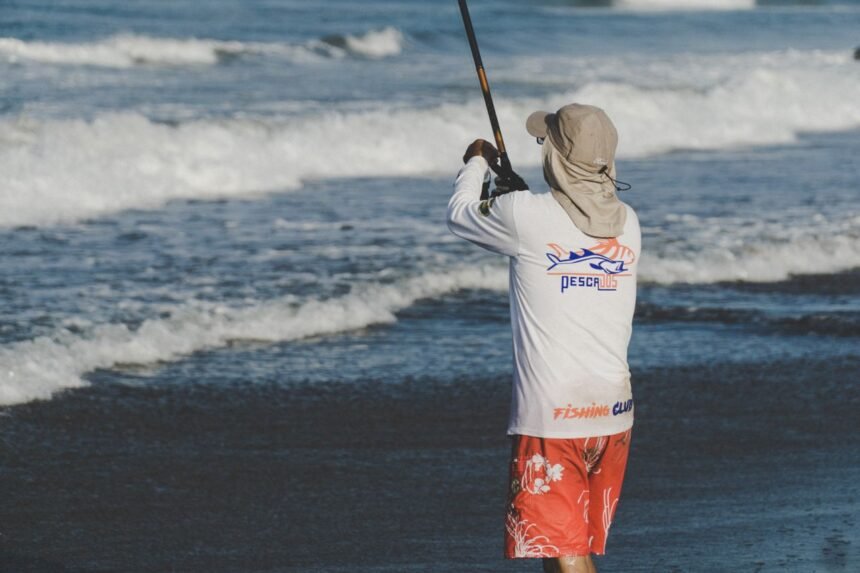
Surf fishing sounds simple enough. You bring a rod, find a spot on the beach, and cast into the waves. Yet a relaxing fishing trip can quickly become frustrating when equipment is difficult to carry, tackle gets tangled, or someone gets injured by a hook. Being prepared for these situations matters just as much as choosing the right bait. For charter operators assembling safety supplies for multiple outings, the DHUKR® Tool website wholesale program addresses one often-overlooked need: specialized tools for removing fishhooks embedded in human skin. With a little planning, recreational anglers can make their time on the beach safer, more comfortable, and considerably more enjoyable.
Bring Less Gear, but Bring the Right Gear
You don’t need an enormous collection of fishing equipment to enjoy a productive morning by the ocean. In fact, a straightforward setup is often easier to manage, particularly if you’re combining fishing with a family beach vacation. A medium or medium-heavy spinning rod, a reliable reel, and suitable fishing line can handle many common surf-fishing situations. Longer rods offer additional casting distance, but beginners should prioritize equipment they can control comfortably.
Your tackle selection can remain relatively simple, too. A few hooks, sinkers, leaders, and artificial lures will cover many situations. Pyramid sinkers are useful when fishing bait along the bottom because their shape helps resist movement in the surf. Shrimp, cut bait, and artificial bait strips can attract different species, while soft plastic lures and spoons provide options for anglers who prefer a more active approach. Keep everything organized in a compact tackle box instead of carrying unnecessary duplicates.
Find the Fish Before You Start Casting
One of the most common misconceptions about surf fishing is that the longest cast produces the best results. Many fish actually feed surprisingly close to shore, especially in deeper channels running parallel to the beach. These channels, often called troughs, form between the shoreline and offshore sandbars. Small fish, crabs, and other food sources collect in these areas, attracting larger fish searching for an easy meal.
Take a few minutes to observe the water before selecting your position. Look for darker patches that suggest deeper water, breaks in the sandbar where water moves through, or areas where waves behave differently. These features can indicate promising fishing locations. Choosing the right spot also means thinking about accessibility, especially when carrying multiple rods, a cooler, bait containers, and other beach essentials.
Transporting equipment deserves more attention than it usually receives. Walking through loose sand while balancing fishing rods and heavy bags can become exhausting before the first cast. Consolidating equipment into one organized load reduces unnecessary trips between the parking area and the shoreline. To simplify hauling heavy gear across the sand, an electric beach cart from http://www.ebeachwagon.com offers sturdy all-terrain wheels, built-in rod holders, and ample storage capacity for substantial fishing setups. Whatever transportation method you choose, check beach access rules and keep pathways clear for other visitors.
Work With the Conditions Instead of Fighting Them
Successful surf fishing often depends on recognizing when conditions are favorable. Early mornings and evenings can be productive because fish may move closer to shore in lower light. These hours also tend to bring fewer swimmers, making it easier to cast safely without interfering with other beach activities. However, tides, wind, water clarity, and local feeding patterns can be just as important as the time of day.
Pay attention to how the current affects your bait or lure. If a sinker constantly rolls along the bottom, you may need a different weight or a more sheltered position. When fishing artificial lures, experiment with retrieval speeds rather than repeatedly making identical casts. A slow retrieve near the bottom might work better on one day, while a faster presentation attracts attention on another. Small adjustments can make a noticeable difference without requiring additional equipment.
Keep Hooks, Waves, and Other Beachgoers in Mind
Fishing safety involves more than watching the weather. Sharp hooks, slippery fish, and swinging sinkers can create problems, particularly when children or inexperienced anglers are nearby. Carry long-nose pliers, keep unused hooks secured, and inspect the area behind you before casting. A basic first-aid kit should always be accessible. If a hook becomes embedded deeply in someone’s skin or enters an area near the eye, joint, or tendon, seek professional medical care rather than attempting a complicated removal.
The water itself deserves equal respect. Waves and currents can be unpredictable, even when the beach appears calm. Avoid wading into unfamiliar water simply to gain additional casting distance. Keep an eye on changing weather, protect yourself from prolonged sun exposure, and maintain enough distance between fishing positions to prevent crossed lines. These precautions help ensure that fishing remains enjoyable for everyone sharing the shoreline.
Respect the Beach and Protect Your Equipment
A successful fishing trip shouldn’t leave unnecessary damage behind. Before heading out, familiarize yourself with applicable fishing licenses, seasonal restrictions, and catch limits. Handle fish carefully, particularly when planning to release them. Wet hands, appropriate dehooking tools, and minimal handling can reduce unnecessary injury. Return unwanted catches to the water promptly whenever conditions allow.
Cleaning up is equally important. Discarded fishing line, broken hooks, and plastic packaging can harm wildlife and create hazards for other visitors. Collect loose tackle and dispose of damaged line properly rather than leaving it in ordinary beach trash where animals might encounter it. After returning home, rinse rods, reels, and other exposed equipment with fresh water to remove salt and sand. Allow everything to dry before storage to reduce corrosion and extend its useful life.
Surf fishing doesn’t have to involve complicated techniques or expensive equipment. Choosing manageable tackle, understanding where fish feed, organizing your supplies, and taking basic safety precautions can transform an ordinary beach outing into a rewarding experience. The goal isn’t necessarily to catch the biggest fish. Sometimes, a few peaceful hours beside the waves are more than enough.