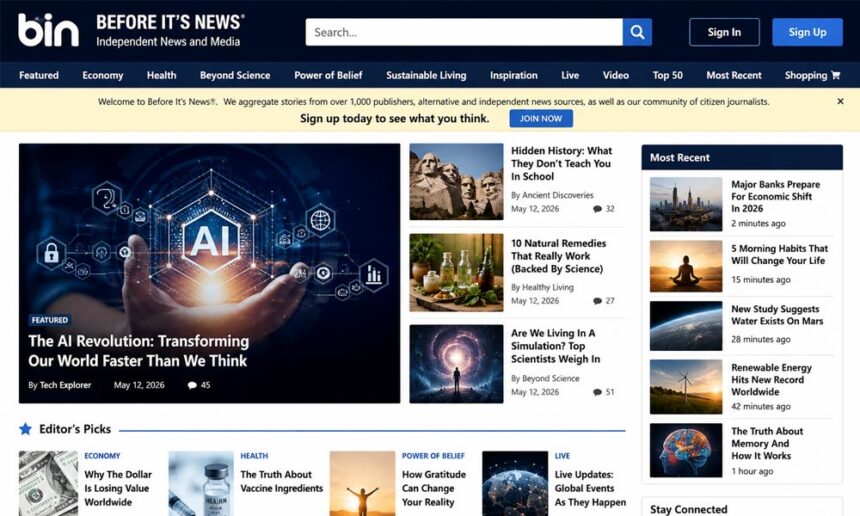
Have you ever heard of a website where anyone can publish news? That’s Before It’s News. It’s a place where people from all over the world share stories, ideas, and opinions. Some of these stories are interesting, while others can be strange or even shocking.
In today’s digital world, citizen journalism is growing fast. People no longer rely only on big news companies. With just a smartphone or a computer, anyone can report events, share discoveries, or express opinions. Before It’s News is one of the platforms leading this movement.
In this article, we’ll explore what Before It’s News really is. We’ll look at how it works, what kind of content it publishes, and whether you can trust it, especially for tech news. We’ll also share tips for spotting misinformation and safer alternatives.
What is Before It’s News?
Before It’s News was started in 2008. The idea was simple: give people a place to publish news without restrictions. Unlike traditional news outlets, there are no editors controlling what is posted.
This website focuses on alternative viewpoints. It covers topics that big news outlets sometimes ignore. You’ll find articles about politics, health, science, technology, and even conspiracy theories. While this freedom encourages creativity, it also raises questions about accuracy.
The main feature of Before It’s News is its open publishing model. Anyone can sign up and share a story. There’s no need to be a professional journalist. While this sounds exciting, it also means that readers must be careful. Not everything you read may be true.
How Before It’s News Works
The platform is easy to use. Once you create an account, you can post articles, videos, or other content. Readers from around the world can see and interact with your posts.
Because there is no formal editorial team, the website does not fact-check what is published. This allows stories to appear quickly, but it also increases the risk of spreading false information.
The website earns money mainly through ads. Users are often asked to turn off ad blockers so that the site can run smoothly. While ads help the platform survive, they can also make the pages look cluttered or overwhelming.
Key Features of Before It’s News
Before It’s News has several unique features that make it different from traditional news websites:
-
Wide Range of Topics: Articles cover politics, health, technology, spirituality, conspiracy theories, and more.
-
Community-Driven Content: Users share stories from all over the world.
-
Real-Time Updates: Live reporting on events is available as they happen.
-
Videos and Multimedia: People can upload videos, interviews, or documentaries.
-
Engagement: Readers can comment, rate stories, and share them with others.
These features create a sense of community. You can discover unusual stories that you may not find elsewhere. However, the open nature of the site also means that misinformation can appear alongside legitimate content.
Content Categories on Before It’s News
The website organizes its content into many categories. This helps readers find what they are interested in:
-
Featured and Top 50: Popular or trending stories.
-
Health: Wellness and medical topics, sometimes including alternative treatments.
-
Beyond Science: Weird science and mysterious events.
-
Power of Belief: Articles on religion, spirituality, and personal growth.
-
Sustainable Living: Eco-friendly tips and environmental news.
-
Inspiration: Personal success stories and motivational articles.
-
Live: Real-time updates on major events.
-
Video: User-submitted videos, interviews, and documentaries.
-
Shopping: Product reviews and promotional content.
Readers can explore a wide variety of topics. But it’s important to remember that these articles are not always verified. Some content may be speculative or unproven.
Before It’s News and Tech News
You may wonder if Before It’s News is reliable for technology updates. The answer is complicated.
The site does have tech articles. Users write about AI, blockchain, new gadgets, and software. Some posts even cover tech trends before mainstream media reports them.
However, because there is no editorial review, many tech articles are based on speculation. Some may include unverified claims or rumors. For example, a story about a new device may appear before any official announcement, but its details could be wrong.
This is why readers must be cautious. Before It’s News can give a first look at tech stories, but it should never be your only source.
Credibility of Before It’s News
Credibility is one of the main concerns with Before It’s News.
-
The open publishing system means anyone can post anything. This increases the chance of false or misleading content.
-
The website often contains conspiracy theories, fringe opinions, and unverified claims.
-
Media rating sites have reviewed BIN and found it unreliable:
-
Ad Fontes Media: “Unreliable, Inaccurate.”
-
Media Bias/Fact Check: “Questionable Source.”
-
-
There is little transparency about ownership or editorial policy, which makes trust harder to establish.
While the site may have interesting stories, it is not considered a reliable news source. Readers need to approach it carefully, especially for topics like health or technology.
Examples of Misinformation
One of the biggest reasons people question Before It’s News is its history of publishing stories that later turned out to be false. Because anyone can post content, some articles are based on rumors instead of facts.
A good example is the Pizzagate conspiracy theory. This false story claimed that a child trafficking group was operating from a pizza restaurant in Washington, D.C. There was no evidence to support the claim. However, the story spread online and even led to a dangerous real-life incident when a man entered the restaurant with a weapon.
Another example involves false reports about businessman and philanthropist George Soros. Some articles claimed he had been arrested in Switzerland. These reports were never proven and were later shown to be false.
During the COVID-19 pandemic, Before It’s News also published articles that promoted unproven theories. Some stories claimed that 5G technology caused the virus or that the virus was created as part of a secret plan. Health experts and fact-checkers rejected these claims. These examples show why readers should always verify information before believing or sharing it.
Alternatives to Before It’s News
If you enjoy reading about technology, there are many better options available. These websites have professional writers, fact-checking systems, and clear editorial rules.
One popular choice is TechCrunch. It focuses on startups, technology companies, apps, and business news. Many people in the tech industry trust TechCrunch because it provides detailed reports and updates.
Another great option is The Verge. This website covers technology, gadgets, science, and digital culture. It is known for easy-to-read articles, product reviews, and technology guides.
Ars Technica is also highly respected. It often goes deeper into technology topics and explains how software, hardware, and internet systems work. Readers who want more detailed information often choose Ars Technica.
You may also come across Coruzant Technologies, which focuses on topics such as AI, blockchain, and the Internet of Things. It features expert opinions and interviews with technology leaders.
These websites are not perfect, but they generally follow stronger reporting standards than Before It’s News.
How to Spot Misinformation on BIN
Whether you are reading Before It’s News or any other website, learning how to spot misinformation is an important skill.
First, check who wrote the article. Does the author have experience in the topic? Is there a short biography explaining their background? If you cannot find basic information about the writer, be extra careful.
Next, look at the sources. Reliable articles usually include links to studies, reports, official statements, or trusted websites. If a story makes a huge claim without evidence, that is often a warning sign.
Pay attention to the language. Is the headline trying to shock you? Does it use words like “secret,” “hidden truth,” or “they don’t want you to know”? These phrases are often used to attract clicks rather than provide facts.
It also helps to check the publication date. Sometimes old stories are shared again and presented as new information. Looking at the date can save you from believing outdated news.
Finally, compare the story with reports from trusted news sources. If only one website is reporting a major claim, it may not be accurate.
Best Practices for Using Before It’s News
Some people still enjoy reading Before It’s News because it offers unusual viewpoints and stories that are different from mainstream news. If you decide to use the site, it is important to do so carefully.
Think of the platform as a place for ideas rather than a place for confirmed facts. Read with an open mind, but also keep a healthy level of doubt. Ask yourself simple questions. Where did this information come from? Is there evidence? Can I find the same story elsewhere?
Cross-checking is one of the best habits you can develop. If a story sounds important, search for it on trusted news websites. This extra step only takes a few minutes and can help you avoid false information.
You should also avoid sharing articles right away. Many people share stories after reading only the headline. Taking time to verify the facts helps prevent misinformation from spreading.
Another helpful tip is to use fact-checking websites such as Snopes, FactCheck.org, or other trusted fact-checking services. These tools can quickly help you find out whether a claim is true or false.
Conclusion
Before It’s News is one of the most well-known citizen journalism platforms on the internet. It gives people the freedom to share stories, opinions, and information without the limits of traditional news organizations.
This freedom is both its biggest strength and its biggest weakness. On one hand, it allows voices from around the world to be heard. On the other hand, the lack of fact-checking and editorial review means false information can spread easily.
As of 2026, most media experts do not consider Before It’s News a highly reliable source for technology news or major current events. While you may find interesting ideas and unique viewpoints there, it is important to verify everything before accepting it as fact.
If you want trustworthy technology updates, websites like TechCrunch, The Verge, Ars Technica, and Coruzant Technologies are usually safer choices. They follow stronger reporting practices and provide more dependable information.
The best approach is simple: stay curious, keep learning, and always check the facts. When you do that, you can enjoy exploring different viewpoints while still protecting yourself from misinformation.
FAQs
What is Before It’s News?
Before It’s News is a citizen journalism website where anyone can post news and stories. It covers a wide range of topics, from technology and health to politics and conspiracy theories. There is no editorial review, so readers must check facts themselves.
Is Before It’s News a reliable source for tech news?
Not really. While it sometimes shares early tech stories, the site lacks fact-checking. Many tech articles are based on rumors or speculation, so it’s best to confirm any information with trusted tech sites like TechCrunch or Ars Technica.
Who can publish articles on Before It’s News?
Anyone can sign up and publish. You don’t need to be a journalist or professional writer. This open approach allows many voices but also increases the chance of false or misleading content.
Has Before It’s News published false stories before?
Yes. Examples include the Pizzagate conspiracy, false claims about George Soros, and COVID-19 misinformation. These show why readers should approach the content with caution.
How does Before It’s News make money?
The site relies mainly on advertising revenue. It often asks users to turn off ad blockers so that ads display correctly and help the website run smoothly.
What are the main types of content on Before It’s News?
The platform includes featured stories, health, science, technology, inspiration, videos, live updates, shopping, and more. Tech articles are mixed with opinion pieces and speculative content.
How can I tell if a Before It’s News article is accurate?
Check the author’s credentials, look for supporting evidence, compare the story with reliable sources, and examine the language. Avoid articles with overly sensational headlines or unverified claims.
Are there safer alternatives for tech news?
Yes. Trusted sources include TechCrunch, The Verge, Ars Technica, and Coruzant Technologies. They provide fact-checked, professional, and reliable technology reporting.
Can Before It’s News be useful at all?
Yes, but mainly for alternative viewpoints, discussion, and early ideas. It is not recommended for confirmed facts or professional research. Think of it as a platform for ideas, not verified news.
What are best practices for reading Before It’s News safely?
Approach content with caution.
Cross-check information with trusted sources.
Avoid sharing unverified articles.
Use fact-checking tools like Snopes or FactCheck.org.
Treat sensational headlines with skepticism.
You might also like Platform Event Trap: How to Protect Your CI/CD Pipelines Instantly