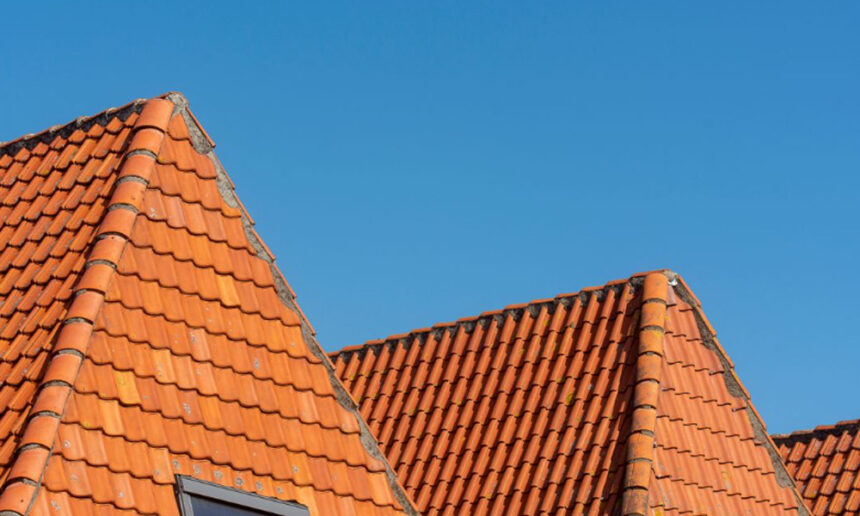
Your roof protects your home from rain, wind, heat, snow, and debris every day, but it is easy to forget about because you rarely see it up close. Many homeowners in Newbury only think about the roof when a leak appears or damage becomes obvious. In reality, most roofing problems show warning signs before they become serious. Noticing those signs early can help you make repairs sooner, reduce costs, and prevent damage from spreading inside your home.
What to watch for
Some roof problems can be spotted from the ground if you know what to look for. Missing shingles are one of the clearest signs that your roof may need attention. If parts of the roof look bare, patchy, or uneven, the outer protective layer may already be compromised.
Shingles that are curling, cracking, or lifting can also point to age and wear. When shingles lose their shape, they no longer seal the roof as well as they should, making it easier for water to get in.
Dark streaks are another clue homeowners should not ignore. While they may seem like a cosmetic issue, they often suggest algae growth or trapped moisture, both of which can speed up roof deterioration. Granules from asphalt shingles collecting in gutters are also important to notice. These gritty particles protect shingles from the elements, so significant granule loss usually means the roof is wearing down.
Inside the home, ceiling stains are among the most serious red flags. Yellow or brown marks may indicate that water has already entered through the roof. Higher heating or cooling bills can also suggest hidden roof damage or poor attic ventilation. If you’re looking for a roofing company Newbury has several local experts that can get the job done.
After storms and wind
Storm damage is not always obvious. Heavy rain can reveal weak points around flashing, chimneys, skylights, and roof vents. Strong winds may lift shingles enough to break their seal, even if the shingles do not blow away completely.
Coastal homes often deal with extra wear because salt air and frequent wind can shorten the life of roofing materials. Winter can be especially hard on roofs as well. Snow adds weight, and repeated freezing and thawing can force water into vulnerable areas. Ice dams may form along roof edges, pushing moisture back under shingles and increasing the risk of leaks.
Falling branches are another common source of damage. Even small limbs can crack shingles, dent flashing, or clog gutters. After severe weather, it is a good idea to inspect the roof from the ground. Look for missing shingles, bent gutters, fresh debris, or anything that appears different than usual. If the roof is older or the storm was especially strong, a professional inspection is often the safest next step.
Inside clues matter
Not every roofing problem begins with obvious dripping water. Some of the earliest warning signs appear indoors, especially in the attic. Dampness, musty odors, or dark spots on wood can all suggest moisture is getting in from above.
You may also notice peeling paint near the tops of walls, bubbling drywall, or stains that seem to expand after rainfall. A room that suddenly feels drafty can also point to roof or ventilation problems. These clues are important because they may appear before exterior damage becomes easy to see.
Many homeowners assume the roof is in good condition if it looks normal from the street, but appearances can be misleading. The outer surface may still seem intact while moisture is already affecting the layers underneath. Paying attention to changes inside the home can help uncover hidden issues before they become major repairs.
Small issues grow fast
Roofing problems rarely stay small for long. A single loose shingle may not seem urgent, but it can expose the underlayment and roof decking below. Once water gets through, it can spread into insulation, framing, and drywall.
Wet insulation loses its ability to regulate temperature, which may lead to higher energy bills. Moisture can also create conditions for mold, mildew, and wood rot. In many cases, water travels along beams or other surfaces, causing damage far from the original leak. That can make the true source harder to find later.
Delaying repairs often turns an affordable fix into a much bigger project. What might have been handled with a small repair can eventually involve replacing structural materials or interior finishes. Acting early does not mean overreacting to every minor imperfection. It means understanding that roofing issues usually become more expensive when they are ignored.
Repair or replace
Not every roofing problem requires a full replacement. In many cases, a targeted repair is enough. If the damage is limited to one section, the roof is still fairly young, and the rest of the materials are in good shape, replacing a few shingles or repairing flashing may solve the problem.
Replacement becomes more likely when the roof is older and repair costs keep adding up. Widespread wear, curling shingles, large bald spots, repeated leaks, and sagging areas often mean patching is no longer the most practical long-term solution.
Age plays a major role in this decision. Asphalt shingle roofs typically last about 20 to 30 years, depending on material quality, ventilation, maintenance, and local weather. If your roof is near the end of that range, repeated repairs may not be the best investment. A qualified roofer can help you compare the cost of ongoing fixes with the benefits of a full replacement.
Questions before hiring
Choosing the right roofing contractor is important, especially if your home may already have damage. Begin by asking whether the contractor is licensed and insured. This helps protect you if something goes wrong during the project.
You should also ask how long the work is expected to take and what could delay it. Warranties are another key topic. Find out what is covered for materials and labor, and how long the coverage lasts.
Cleanup should not be overlooked. Ask how debris will be removed and how the crew plans to protect your landscaping, driveway, and yard. A written estimate should clearly explain the scope of work, the materials being used, the payment schedule, and any possible extra costs.
Be cautious if a contractor seems vague, pressures you to decide immediately, or avoids putting details in writing. A dependable professional should answer questions clearly and explain the work in a way that makes sense.