There is something special about making fresh pasta at home. The smell of fresh dough, the soft texture, and the joy of creating something from scratch make cooking feel relaxing and rewarding. Many people enjoy making pasta with family or friends because it turns an ordinary meal into a fun experience.
But when it comes to tortellini, things become a little more difficult. Each small piece needs to be filled, folded, sealed, and shaped by hand. This takes time, patience, and practice. If you have ever tried making dozens of tortellini yourself, you already know how much work it can be.
This is where the tortellinatrice comes in. It is a special machine made to help people create beautiful tortellini much faster and with less effort. Whether you enjoy cooking at home, work in a restaurant, or own a pasta shop, this machine can make the whole process easier while still helping you enjoy fresh, homemade pasta.
In 2026, more people are choosing fresh homemade food over ready-made meals. At the same time, they also want kitchen tools that save time without taking away the fun of cooking. That is one reason why the tortellinatrice has become more popular. It brings together old Italian traditions and modern kitchen ideas in a simple and practical way.
In this guide, you will learn everything you need to know about the tortellinatrice. We will explain what it is, where tortellini comes from, how the machine works, the different types you can buy, the best dough and fillings to use, and much more. By the end, you will understand why so many people now enjoy making tortellini with this helpful machine.
What Is a Tortellinatrice?
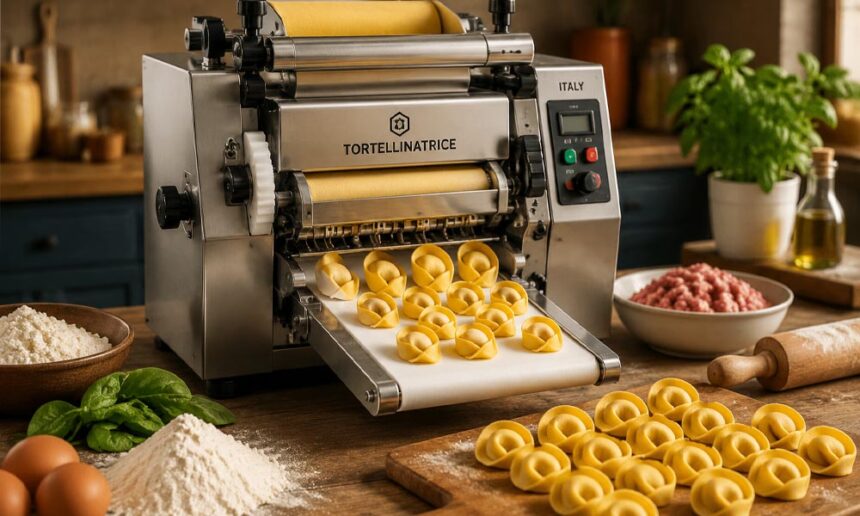
A tortellinatrice is a machine made especially for making tortellini. Instead of shaping every piece by hand, the machine helps with many of the steps. Depending on the model, it can roll or accept pasta sheets, place the filling, fold the dough, seal the edges, shape the tortellini, and cut each piece into the correct size.
Think about making fifty or even one hundred tortellini by hand. You need to cut every piece, add the right amount of filling, fold it carefully, and make sure it stays closed. It can take a long time, especially if you are still learning. A tortellinatrice makes this job much quicker while keeping every piece neat and even.
Not every tortellinatrice works in exactly the same way. Some manual models help with shaping only. Electric models can do much more automatically. Large machines used in pasta factories can produce thousands of tortellini every hour. Before buying one, it is always good to understand what each model can do.
This machine is useful for many people. Home cooks enjoy making fresh pasta without spending the whole day in the kitchen. Restaurant chefs use it to serve customers more quickly. Fresh pasta shops use it to keep every tortellini the same size, while large food companies use bigger machines to make large amounts every day.
One important thing to remember is that a tortellinatrice is different from a regular pasta roller. A normal pasta machine mainly rolls dough into thin sheets or cuts simple pasta shapes like spaghetti or fettuccine. A tortellinatrice is designed especially for stuffed pasta like tortellini, where filling, folding, and sealing are just as important as rolling the dough.
The Story of Tortellini
Before learning more about the tortellinatrice, it helps to know the story behind tortellini. This famous stuffed pasta comes from the Italian region of Emilia-Romagna. Two cities, Bologna and Modena, are especially well known for making this traditional dish.
For many years, families gathered around the kitchen table to make tortellini together. Grandparents, parents, and children all helped with different parts of the job. Some rolled the dough, others prepared the filling, and everyone worked together to fold each tiny piece by hand. It was more than cooking. It was family time.
Making tortellini by hand takes patience and care. Every piece needs to be folded correctly so it keeps its shape while cooking. Because of this, many people learned the skill slowly from older family members. It became a tradition that was passed from one generation to the next.
There is also a famous Italian story about how tortellini got its shape. According to the legend, the pasta was inspired by the belly button of Venus, the Roman goddess of beauty. Whether the story is true or not, it has become an enjoyable part of Italian food history and makes tortellini even more interesting.
As restaurants became busier and food production grew, people needed a faster way to make tortellini without losing its traditional shape. This need led to the creation of the tortellinatrice. Instead of replacing tradition, the machine helps keep it alive by allowing more people to enjoy fresh tortellini every day.
Even today, many families still enjoy making tortellini by hand during holidays and special events. At the same time, many others choose a tortellinatrice because it saves time while still creating beautiful homemade pasta.
How a Tortellinatrice Works
At first glance, a tortellinatrice may look like a simple kitchen machine. In reality, it performs several important jobs one after another. Each step is carefully designed to help create tortellini that look neat and cook evenly.
The process usually begins with fresh pasta dough. Some machines require ready-made pasta sheets, while others help prepare the dough before shaping begins. The dough should be soft, smooth, and rolled to the correct thickness. This helps the machine work without tearing the pasta.
Next comes the filling. The tortellinatrice places a small amount of filling onto the dough. Good machines keep the filling size almost the same for every piece. This means every tortellini will have a similar taste and cook at the same speed.
After the filling is added, the machine folds the dough over it. Then it presses the edges together to seal them tightly. A good seal is very important because it keeps the filling inside while the tortellini cooks in boiling water.
The next step is shaping. The tortellinatrice forms the famous ring shape that tortellini is known for. Finally, the machine cuts each piece and releases it onto a tray, ready for cooking, freezing, or packing.
Although the machine does much of the work, it still needs the right settings. Dough that is too dry may crack. Dough that is too wet may stick inside the machine. The filling should also be thick enough to stay inside the pasta without leaking.
When everything is prepared correctly, watching a tortellinatrice work is quite satisfying. One perfect tortellini appears after another, each looking almost exactly the same.
Main Types of Tortellinatrice
Not every tortellinatrice is built for the same purpose. Some are made for home kitchens, while others are designed for restaurants or large food factories. Choosing the right type depends on how often you plan to make tortellini and how much you need.
The simplest type is the manual tortellinatrice. It does not use electricity. Instead, you turn a handle or operate it by hand. Many people enjoy using these machines because they give more control over the process. They are also smaller and usually cost less than electric models.
Manual machines are often a good choice for people who make fresh pasta only once in a while. They help reduce some of the hard work while still allowing you to enjoy the traditional pasta-making experience.
The next option is the electric tortellinatrice. These machines are much faster because the motor does most of the work. After preparing the dough and filling, the machine handles much of the shaping process with very little effort from the user.
Electric models are popular with large families, cooking lovers, and small restaurants. They save time and help create many tortellini in one session. If you enjoy making fresh pasta often, this type may be worth considering.
There are also semi-automatic machines. These require the user to help with some parts of the process while the machine completes the rest. They offer a good balance between control and speed.
Finally, there are industrial tortellinatrice machines. These large machines are used by pasta factories and commercial food companies. They can produce huge numbers of tortellini every hour while keeping every piece almost identical in size and shape.
Even though these machines are very different in size, they all have the same goal. They help people make fresh tortellini more quickly while keeping the traditional shape that pasta lovers know and enjoy.
Best Dough for a Tortellinatrice
A tortellinatrice works best when you start with good dough. Even the best machine cannot produce beautiful tortellini if the dough is too dry, too wet, or too thick. Spending a little extra time preparing the dough will give much better results.
Traditional pasta dough is very simple. Most recipes use flour, eggs, and a small amount of salt. Some people also add a little olive oil to make the dough softer. After mixing everything together, the dough should feel smooth and easy to handle.
Once the dough is ready, it should rest for about thirty minutes. This simple step is often forgotten, but it is very important. Resting allows the dough to relax, making it easier to roll and shape without breaking.
The thickness of the dough also matters. If it is too thick, the finished tortellini may feel heavy and take longer to cook. If it is too thin, it may tear while passing through the tortellinatrice or while cooking.
You should also pay attention to moisture. Dough that feels sticky may cling to the machine. Dough that feels dry may crack around the filling. A soft, smooth texture is usually the best choice.
Today, many people also try different types of dough. Whole-wheat dough is popular for its rich flavour, while egg-free dough is useful for some diets. Gluten-free dough can also be used, but it often needs extra care because it may break more easily during shaping.
A simple test can help before using your tortellinatrice. Press your finger gently into the dough. If it slowly returns to its shape without sticking to your hand, it is usually ready to use.
Best Fillings for a Tortellinatrice
The filling is just as important as the dough. A tortellinatrice works best when the filling is smooth, thick, and easy to place inside the pasta. A filling that is too wet can leak during shaping or cooking, making the tortellini open.
Cheese is one of the most popular choices. Ricotta mixed with Parmesan creates a soft and creamy filling that works very well. Many people also enjoy spinach and ricotta because it is fresh, light, and full of flavour.
Meat fillings are another traditional option. Cooked beef, pork, chicken, or a mixture of meats can create rich and tasty tortellini. The meat should be chopped very finely so it moves smoothly through the machine without blocking the filling system.
Vegetable fillings are becoming more popular in 2026. Pumpkin, mushrooms, sweet potato, and roasted vegetables all make excellent choices. These fillings should be cooked first and allowed to cool before being added to the tortellinatrice.
No matter which filling you choose, using the right amount is very important. Too much filling may stop the pasta from sealing properly. Too little filling may leave the tortellini tasting empty. A balanced amount helps every piece cook well and keeps its beautiful shape.
Sometimes it is fun to try something different. Some people even make sweet tortellini filled with chocolate, sweet cream, or fruit for special desserts. Once you understand how the tortellinatrice works, there are many creative recipes you can enjoy.
Benefits of Using a Tortellinatrice
One of the biggest reasons people choose a tortellinatrice is because it saves time. Making tortellini by hand can take hours, especially if you are preparing food for a large family or a special event. With the machine, you can make many pieces in much less time.
Think about a weekend dinner with family. Instead of spending the whole afternoon folding pasta, you can finish the work much faster. This leaves you with more time to enjoy cooking, set the table, or simply relax before everyone arrives.
Another great benefit is that every tortellini looks almost the same. The tortellinatrice helps create even sizes and neat shapes. This is important because tortellini that are the same size usually cook at the same speed. You do not have to worry about some pieces being undercooked while others become too soft.
The machine also helps reduce waste. It uses a measured amount of filling for each piece, so you are less likely to use too much. This can save both dough and filling, which is helpful when making large batches.
For restaurants and fresh pasta shops, a tortellinatrice makes daily work much easier. Staff can prepare more pasta in less time while keeping the same quality. Customers receive tortellini that look neat, taste great, and cook evenly.
Even beginners can enjoy using this machine. You do not need years of experience to make beautiful tortellini. After a little practice, many people feel more confident and enjoy trying new recipes and different fillings.
Most of all, a tortellinatrice makes cooking fun. Watching fresh tortellini come out one after another feels exciting. It turns a difficult job into a simple and enjoyable kitchen activity.
Common Tortellinatrice Problems
Even the best tortellinatrice may have small problems from time to time. The good news is that most of them are easy to fix. Once you understand the causes, making perfect tortellini becomes much easier.
One common problem is dough that tears while moving through the machine. This usually means the dough is too dry or rolled too thin. If this happens, add a little water to the dough or make the next sheet slightly thicker.
Sometimes the dough sticks inside the machine. This often happens when the dough is too wet or when there is not enough flour on the work surface. A light dusting of flour usually helps the dough move more smoothly.
Another common issue is tortellini opening during cooking. This can happen if there is too much filling or if the edges are not sealed well. Try using a smaller amount of filling and check that the machine is closing the pasta properly.
Air trapped around the filling can also cause problems. Small air pockets may make the tortellini open while boiling. A good tortellinatrice helps remove most of the air, but using the correct amount of filling also makes a big difference.
Sometimes the filling system becomes blocked. This often happens when the filling contains large pieces of meat or vegetables. Smooth fillings work much better because they move easily through the machine.
If your tortellini come out in uneven shapes, do not worry. Check the dough thickness, the filling amount, and the machine settings. Small changes often solve the problem quickly.
Reading the instruction guide is always a good idea. Every tortellinatrice is a little different, so following the maker’s advice helps you get the best results and keeps the machine working properly.
How to Clean a Tortellinatrice
Cleaning your tortellinatrice after every use is very important. A clean machine works better and lasts much longer. It also helps keep your food safe for the next time you make pasta.
Start by letting any small pieces of dough dry for a few minutes. Once they become dry, you can gently remove them with a soft brush. This is usually much easier than trying to wipe away wet dough.
Most machines should not be washed under running water unless the maker clearly says it is safe. Too much water may damage metal parts or the motor in electric models. A soft dry cloth or a slightly damp cloth is often enough for cleaning the outside.
If your tortellinatrice has removable parts, take them apart carefully and clean them as instructed. Pay special attention to any part that touches the filling. Cheese, meat, and eggs should never be left inside the machine after use.
After cleaning, dry every part completely before putting the machine away. Keeping it in a dry place helps prevent rust and keeps everything in good condition for years.
Regular care also means checking the machine now and then. Make sure moving parts work smoothly and look for signs of wear. A few minutes of care can help your tortellinatrice stay reliable for a very long time.
How to Choose the Best Tortellinatrice
Before buying a tortellinatrice, think about how often you plan to use it. If you only make tortellini a few times each year, a manual model may be all you need. It is simple, smaller, and often costs less.
If you enjoy making fresh pasta every week or cook for a large family, an electric machine may be a better choice. It saves more time and can produce many tortellini with less effort.
Restaurants, pasta shops, and catering businesses usually need larger machines because they prepare much bigger amounts. An industrial tortellinatrice is built for this type of work and can produce large batches while keeping every piece almost the same.
The material is another important point. Stainless steel is a popular choice because it is strong, easy to clean, and suitable for food preparation. A well-built machine can stay in good condition for many years with proper care.
You should also check whether the machine offers different moulds or settings. Some models allow you to make other stuffed pasta shapes besides tortellini. This gives you more cooking options without buying another machine.
Cleaning should also be simple. Machines with removable parts are often easier to keep clean. Before buying, it is also helpful to check if spare parts, customer support, and a warranty are available.
Finally, think about your budget. A higher price does not always mean it is the right choice. Pick a tortellinatrice that matches your cooking needs, available kitchen space, and the amount of pasta you want to make.
Tortellinatrice vs Handmade Tortellini
Many people ask whether a tortellinatrice is better than making tortellini by hand. The truth is that both methods have their own advantages.
Handmade tortellini is part of a long Italian tradition. Many families still enjoy sitting together around the table, folding each piece by hand while talking and sharing stories. This experience creates special memories that no machine can replace.
On the other hand, making tortellini by hand takes time and patience. If you need to prepare a large number of pieces, it can become tiring. This is where a tortellinatrice makes life much easier.
The machine creates even shapes, uses similar amounts of filling, and helps every piece cook at about the same speed. This makes it a great choice for busy home cooks, restaurants, and pasta businesses.
Some people wonder if machine-made tortellini is still authentic. The answer depends on how you look at it. If you use fresh dough, good fillings, and traditional recipes, you can still enjoy the same wonderful flavours. The machine simply helps with the shaping process.
In the end, there is no wrong choice. Handmade tortellini keeps old family traditions alive, while a tortellinatrice makes fresh pasta easier for today’s busy kitchens. Many people enjoy both methods for different reasons.
Fun Recipes to Try
Once you become comfortable using a tortellinatrice, it is fun to try different recipes. You are not limited to just one filling. There are many delicious ideas waiting to be explored.
A classic favourite is cheese tortellini made with ricotta and Parmesan. Serve it with melted butter, fresh sage, or a light cream sauce for a simple but rich meal.
Spinach and ricotta tortellini is another popular choice. It feels fresh, colourful, and works well with olive oil, butter, or a light tomato sauce. It is also a great way to enjoy more vegetables.
If you like stronger flavours, try a filling made with cooked beef, pork, or chicken. Meat-filled tortellini tastes wonderful in warm broth during colder months or with a rich tomato sauce for dinner.
Pumpkin tortellini is another traditional favourite in many parts of Italy. The sweet pumpkin filling pairs well with butter, herbs, and a little Parmesan cheese.
Mushroom lovers can make a smooth mushroom filling with herbs and cheese. This creates a rich and comforting meal that is perfect for weekends or special family dinners.
You can also have fun with colourful dough. Add spinach for green pasta, beetroot for red pasta, or a little squid ink for black pasta. These bright colours make homemade tortellini look even more exciting.
Some people even enjoy making dessert tortellini. Sweet fillings made with chocolate, cream cheese, or fruit can create a unique treat that surprises everyone at the table.
When trying new recipes, start with a small batch first. This gives you time to adjust the filling and dough before making a larger amount. Your tortellinatrice makes it easy to experiment and discover new family favourites.
Conclusion
The tortellinatrice is much more than a simple kitchen machine. It helps people enjoy fresh homemade tortellini without spending endless hours folding every piece by hand. Whether you cook for yourself, your family, or your customers, it can make the whole process faster and easier.
One important thing to remember is that not every tortellinatrice is the same. Some machines are made for simple home use, while others are built for restaurants and large pasta factories. Choosing the right model depends on how often you cook and how much pasta you want to make.
Good dough, balanced filling, and regular cleaning all play an important role in getting the best results. Even the best machine works better when you take a little time to prepare everything properly.
In 2026, many people want fresh food that is easy to prepare at home. The tortellinatrice fits perfectly into this idea. It keeps the beauty of traditional Italian pasta alive while making the process much simpler for modern kitchens.
If you enjoy cooking or want to learn something new, a tortellinatrice is a wonderful tool to explore. With a little practice, you can make beautiful tortellini that look great, taste delicious, and bring family and friends together around the table. Fresh pasta has always been special, and this machine simply makes it easier for everyone to enjoy.
(FAQs)
What is a tortellinatrice?
A tortellinatrice is a machine made to help prepare tortellini. Depending on the model, it may shape, fill, fold, seal, and cut the pasta. Small machines are useful for home cooks, while larger models are made for restaurants, pasta shops, and food factories.
The main goal of the machine is to save time and create even pieces. It also helps reduce mistakes that can happen when every tortellino is folded by hand.
Is a tortellinatrice easy for beginners to use?
Yes, many tortellinatrice machines are easy for beginners, but some practice is still needed. The machine can do much of the shaping work, but the dough and filling must still have the right texture.
Beginners should start slowly and test a small batch first. This makes it easier to adjust the dough thickness, filling amount, and machine settings before making more pasta.
Can I use a tortellinatrice at home?
Yes, compact manual and electric models can be used at home. These machines are often smaller than commercial versions and are made for smaller batches.
Before buying one, check how much space it needs and what steps it can perform. Some home models only help shape the pasta, while others may also add filling and seal the edges.
What type of dough works best in a tortellinatrice?
Soft and smooth pasta dough usually works best. A simple mix of flour, eggs, and salt is a common choice. The dough should not feel too wet, sticky, dry, or hard.
Letting the dough rest before rolling is also important. Rested dough is easier to shape and less likely to tear inside the machine.
What fillings can I use in a tortellinatrice?
You can use many fillings, including ricotta, spinach, meat, pumpkin, mushrooms, and soft cheese. Sweet fillings, such as chocolate or fruit cream, may also work in some machines.
The filling should be thick, smooth, and cool. Watery fillings can leak, while large pieces may block the filling system. Finely chopped or smooth fillings usually give the best results.
Why do tortellini open while cooking?
Tortellini may open if there is too much filling or if the edges are not sealed well. Dough that is too dry can also make the seal weak.
Try using less filling and check that the pasta edges are clean before sealing. Flour, air pockets, or wet filling between the edges can stop them from closing properly.
How do I stop the dough from sticking to the machine?
Dough often sticks when it is too wet or soft. A light dusting of flour can help it move through the tortellinatrice more easily.
Do not use too much flour, because this can make the edges harder to seal. The best dough should feel smooth and soft without sticking to your hands or the machine.
How should I clean a tortellinatrice?
Always follow the cleaning guide that comes with your machine. In many cases, dry dough can be removed with a small brush after it has had time to harden.
Do not place electric parts or the whole machine under water unless the maker says it is safe. Removable parts that touch meat, cheese, or eggs should be cleaned carefully and dried fully before storage.
Can a tortellinatrice make other pasta shapes?
Some tortellinatrice models come with extra moulds that can make other stuffed pasta shapes. These may include ravioli, cappelletti, or different sizes of tortellini.
Not every machine offers this feature. Check which moulds are included and whether extra ones can be bought before choosing a model.
Is a tortellinatrice worth buying in 2026?
A tortellinatrice can be worth buying if you make stuffed pasta often or need to prepare large batches. It can save time, improve the shape of each piece, and make the whole process less tiring.
For people who only make tortellini once or twice a year, a simple hand tool may be enough. The best choice depends on your budget, kitchen space, and how often you plan to use it.
You might also like: Inflatom: The Smart Idea Making Everyday Tasks Easier