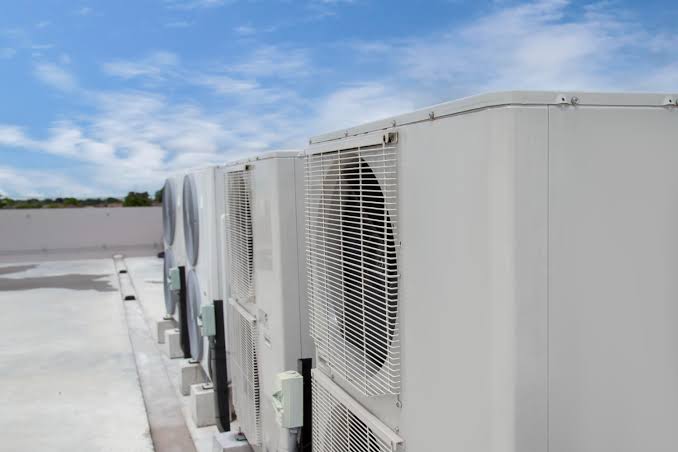
Indoor humidity has a major influence on comfort, air quality, and the overall condition of a home. When moisture levels become too high, rooms may feel sticky and uncomfortable, while excessively dry air can create irritation and affect wood furnishings. Heating and cooling systems help manage these conditions by controlling temperature, airflow, and moisture removal throughout different seasons. Air conditioning and heating services support proper humidity control by maintaining equipment, correcting airflow issues, verifying system performance, and recommending appropriate moisture-management solutions. Consistent system care can create a more balanced indoor environment while supporting dependable operation and comfortable living conditions year-round.
Creating Balanced Humidity Through HVAC Performance
- Maintaining Effective Moisture Removal During Cooling Cycles
Air conditioning systems naturally help remove moisture from indoor air as warm air passes across the cold evaporator coil. Moisture condenses on the coil and drains away, helping lower indoor humidity while the system cools the home. However, this process may become less effective when components are dirty, airflow is incorrect, drainage systems are restricted, or equipment is not operating properly. Air conditioning and heating services can inspect these areas and correct conditions that interfere with normal dehumidification. A dirty evaporator coil, for example, may reduce heat transfer and affect the system’s ability to manage both temperature and moisture consistently. Homeowners looking for more about One Stop Heating and Air Conditioning may consider how routine HVAC care can support comfortable humidity levels alongside reliable temperature control. By maintaining proper airflow, clean components, and effective drainage, service visits help the cooling system remove excess moisture more efficiently. This can make indoor spaces feel more comfortable without relying solely on lower thermostat settings.
- Correcting Airflow Problems That Affect Indoor Moisture Levels
Proper airflow is essential for maintaining balanced humidity throughout a home because conditioned air must circulate evenly between rooms. When ducts are blocked, filters become heavily clogged, vents are closed, or blower components are not operating correctly, some areas may receive insufficient airflow. These conditions can create rooms that feel warmer, damper, or more uncomfortable than others. Air conditioning and heating services can assess airflow throughout the system and identify restrictions that impede normal circulation. Replacing dirty filters, checking blower operation, examining ductwork, and ensuring supply and return vents function properly can improve the movement of conditioned air. Balanced airflow also helps the air conditioner process indoor air more consistently during humid weather, allowing moisture removal to occur throughout the home instead of primarily in certain areas. During colder periods, proper circulation helps distribute heated air without creating significant temperature differences between rooms. Addressing airflow concerns therefore supports both temperature stability and humidity management, helping the HVAC system maintain a more consistent indoor environment across living spaces.
- Managing Dry Indoor Air During the Heating Season
Humidity problems are not limited to excessive moisture during warm weather. Indoor air can become overly dry during the heating season, particularly when cold outdoor air contains relatively little moisture and is repeatedly heated inside the home. Dry conditions may contribute to uncomfortable skin, irritated nasal passages, static electricity, and changes in certain wood materials. Air conditioning and heating services can assess whether the heating system and overall indoor environment are contributing to persistent dryness. In some homes, adjusting airflow and maintaining proper heating operation may improve comfort, while in others, an appropriately selected whole-home humidification system may be beneficial. Such equipment adds controlled moisture to circulating air rather than relying on portable devices in individual rooms. Proper setup is important because excessive moisture during cold weather can cause condensation on windows and other surfaces. HVAC service providers can evaluate system compatibility and indoor conditions before recommending moisture-control measures. Maintaining moderate humidity during heating periods supports greater comfort while reducing the problems associated with excessively dry indoor environments.
- Addressing Equipment Sizing and Short Cycling Concerns
The size and operating pattern of HVAC equipment can significantly influence indoor humidity control. An air conditioner that is oversized for the home may cool indoor temperatures very quickly and shut down before running long enough to remove sufficient moisture from the air. This condition, often associated with frequent short cycling, can leave rooms feeling cool but still damp or clammy. Mechanical issues, thermostat problems, and other operating concerns can also cause unusually short cooling cycles. Air conditioning and heating services can evaluate system operation to determine whether cycle length, equipment condition, or control settings are affecting moisture removal. While existing equipment cannot always be resized without replacement, certain performance problems contributing to short cycling may be corrected through repairs or adjustments. Proper system operation allows cooling cycles to run in a manner that supports both temperature reduction and dehumidification. Evaluating these conditions is particularly important in humid climates, where temperature control alone may not provide comfortable indoor conditions unless the system also has enough operating time to remove moisture effectively.
Air conditioning and heating services play an important role in maintaining balanced indoor humidity by supporting proper moisture removal, airflow, heating performance, and system operation. Cooling equipment can reduce excess moisture during humid periods, while heating-season solutions can address uncomfortable dryness when necessary. Services that correct airflow restrictions, short cycling, drainage concerns, and maintenance issues help HVAC equipment manage indoor conditions more consistently. When temperature and humidity control work together, homes can feel more comfortable without unnecessary thermostat adjustments. Regular attention to system performance also helps identify moisture-related concerns early, supporting a healthier, more stable, and comfortable indoor environment throughout changing seasons.