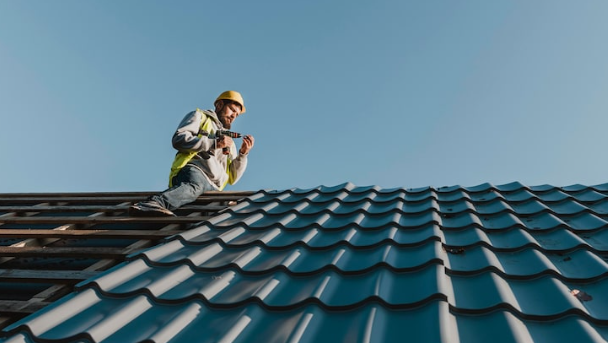
Living near the water comes with a few challenges that inland homeowners may not face as often. Salt-laden air, high humidity, strong winds, and seasonal storms can affect a home’s roof over time. East Hampton’s position on Long Island’s South Fork, flanked by the Atlantic Ocean and surrounded by bays and inlets, makes coastal exposure an especially important consideration for homeowners here. While these conditions are part of everyday life in the region, they can gradually contribute to roofing problems if maintenance is overlooked.
Anyone researching roofing in East Hampton will find that roof damage rarely comes from a single weather event. Instead, repeated exposure to moisture, salt, wind, and temperature changes can slowly wear down roofing materials, turning minor issues into more costly repairs.
Why Coastal Conditions Are Different
A roof a few miles inland and a roof close to the ocean or a bay aren’t dealing with the same environment, even if they’re made from identical materials. East Hampton’s coastal exposure introduces additional challenges, including salt-laden air, moisture, and strong winds, that homeowners should consider when planning roof maintenance and material selection.
Salt Air and Material Wear
Salt in the air doesn’t announce itself. It settles quietly on shingles, drifts into gutter seams, and can contribute to corrosion around metal flashing and fasteners over months and years.
Corrosion from salt exposure is a slow process, which is why it often goes unnoticed until a leak shows up or a shingle comes loose in a stiff wind. For homes near the shoreline in East Hampton, salt exposure is an important consideration when evaluating roofing materials and maintenance needs.
Humidity and Moisture Retention
Coastal air stays humid longer than most people realize. That moisture doesn’t just sit on the surface. When roofing systems have inadequate ventilation, drainage, or moisture protection, excess moisture can contribute to mold, mildew, and wood rot in vulnerable areas beneath the surface.
Good ventilation isn’t a nice-to-have here. Proper attic ventilation and moisture management are important parts of maintaining a healthy roofing system.
Storm Frequency and Wind Exposure
East Hampton sits in a region that experiences nor’easters, strong coastal storms, and occasional tropical systems, including hurricanes. These aren’t just rain events. Sustained wind can pull at shingles, loosen flashing, and drive debris into any weak spot on a roof.
Wind Uplift
Wind uplift happens when pressure differences create forces that can lift roofing materials away from the roof deck underneath. Homes in more exposed or elevated spots, particularly those closer to the ocean, tend to see this more often during major storms.
Roofs built with proper fastening and wind-rated materials are better equipped to withstand strong winds, which is why installation quality matters as much as the materials themselves.
Debris and Impact Damage
A storm is more than simply wind and rain. During severe weather, rooftops can be hit by loose building materials, flying sand and debris, as well as branches. Such effects can damage shingles, dislodge the protective granules, and damage flashing and other exposed components.
Over time, this damage can make roofing materials more vulnerable to moisture and UV exposure.
Temperature Swings and Their Effect on Roofing in East Hampton
East Hampton doesn’t swing between extremes the way inland or more northern regions do. However, there’s still a real shift between summer heat and winter cold, and repeated temperature changes, combined with moisture exposure, can contribute to material wear.
Expansion and Contraction
Roofing materials expand a little in the heat and contract when it turns cold. It sounds minor, but that repeated movement over time can stress certain seams, seals, and flashing points, especially when installation or existing damage has already compromised them. That’s a big part of why inspections matter more here than in climates where temperatures stay relatively steady.
Ice and Freeze-Thaw Cycles
Freeze-thaw cycles show up most during the transitional months, when temperatures hover around freezing and swing back and forth. Water that enters existing cracks, gaps, or damaged areas can freeze, expand, and place additional stress on the affected material. Left alone long enough, repeated freezing and thawing can worsen existing damage and increase the risk of leaks.
What Homeowners Can Do to Protect Their Roofs
None of this means homeowners are powerless. Coastal weather isn’t something anyone can control, but East Hampton homeowners can do a fair amount to slow its effects.
- Schedule seasonal inspections: A professional inspection before and after periods of severe weather can help catch small problems while they’re still easier to address.
- Prioritize proper ventilation: Good attic airflow helps manage moisture and temperature, which matters in a humid coastal climate.
- Choose materials suited to coastal exposure: Not every roofing product handles salt air and wind the same way, so research this rather than assume.
- Address minor damage quickly: A missing shingle or a small gap in flashing rarely stays minor for long near the coast.
- Keep gutters clear: Combine heavy coastal rainfall with clogged gutters, and water drainage problems can increase the risk of moisture-related roof damage.
The Value of Local Roofing Knowledge
Because these weather patterns are specific to the region, people who work regularly on roofing in East Hampton tend to have a better sense of which materials, fastening approaches, and maintenance timelines suit local conditions. That local familiarity often matters more than people expect, especially compared to a generic approach that doesn’t account for salt, humidity, or storm frequency.
Final Thoughts
There’s a reason people love living near the water in East Hampton, and there’s a reason their roofs work harder than most. Salt air, humidity, storm-driven wind, and temperature swings all chip away at a roof in their own way, and rarely on their own schedule.
Homeowners who stay ahead of it with regular inspections and quick attention to small issues can reduce the risk of unexpected repairs and extend the useful life of their roofing system. For anyone considering roofing in East Hampton, understanding how the coastal environment shapes a roof’s lifespan is a good place to start.