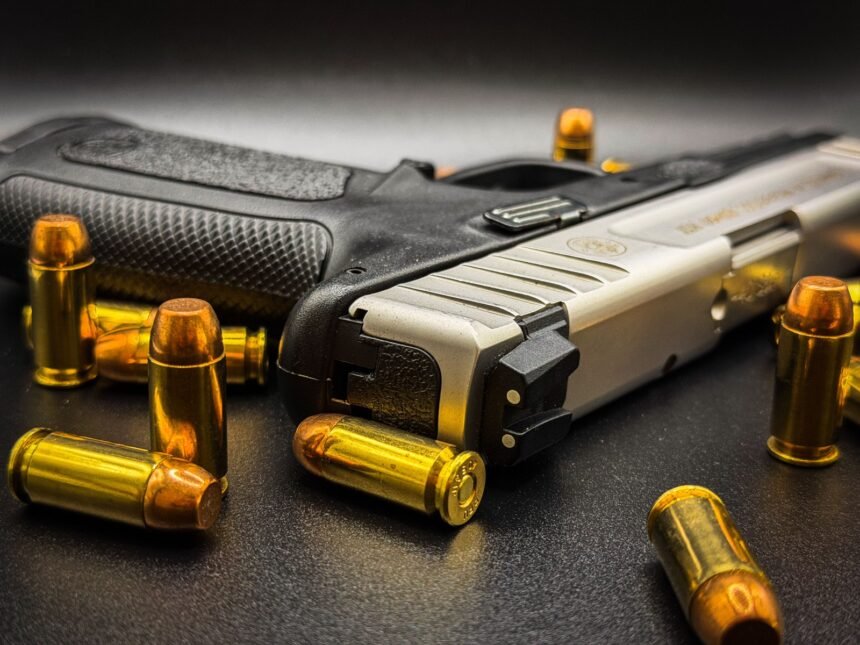
Shipping ammunition components requires careful attention to changing laws and carrier policies. Brass casings, primers, bullets, and other items may face different restrictions. Rules vary by state, country, and shipping company.
Even experienced sellers can overlook important details during shipping. Such mistakes may cause delays, penalties, rejected packages, or legal problems. Understanding these requirements helps businesses and customers avoid unnecessary risks.
This guide explains essential 2026 regulations and practical steps for shipping legally. Keep on reading!
Understanding Ammunition Components
Primers, powder, bullets, and casings are some of the parts that make up ammunition. Even though these parts do not contain loaded ammunition, they still have to follow many rules. Some states treat these parts the same way they treat live ammunition.
Before you ship something, always check which parts get special treatment. The rules might be different for new or used parts. Brass casings are a good example because they may not have as many rules when they are used up.
Being able to tell the difference between complete ammunition and its parts is very important. Start by learning about the parts you want to ship and the legal categories that apply.
Federal Laws and Their Impact
In the United States, federal laws regulate the shipping of weapon parts. The ATF (the Bureau of Alcohol, Tobacco, Firearms and Explosives) sets many of these rules.
In some cases, like primers and powder, the parts are dangerous. When handling and packing these, you need to be extra careful. Federal laws also dictate who can ship and receive parts.
Some buyers may need to undergo background checks. Laws change all the time, so always check the rules before you ship. Following federal laws keeps shipments safe and keeps you out of trouble with the law.
State-by-State Rules
Every state can have different laws about shipping ammunition components. Some states ban certain parts or require special permits. For instance, California and New York have strict rules about shipping brass casings and bullets.
Other states are more relaxed but still have some restrictions. It is important to research the laws in both the shipping and receiving states.
Even if federal law allows shipment, state laws might not. Always check for updates, as states can change laws quickly. Failure to follow state laws can cause packages to be seized or fines to be issued.
Shipping Across International Borders
Shipping ammunition components internationally is even more complex than shipping within the U.S. Many countries have strict bans or limits on importing brass casings, primers, or bullets. Exporting from the U.S. often requires a license from the Department of State or the Department of Commerce.
Customs forms must be filled out accurately, listing all items inside the package. Some countries require import permits before the shipment leaves the U.S. Packages can be inspected or delayed at customs if paperwork is missing.
Always research each country’s import requirements before sending anything. Proper documents help prevent international legal issues.
Proper Packaging and Labeling
Safe and legal shipping requires the right packaging and labeling. Ammunition components must be packed to prevent spills, leaks, or damage. Some carriers only accept shipments that meet their packaging standards.
Hazardous materials like primers and powder need special containers. Labels must show the contents clearly and follow carrier and legal guidelines. Carriers may refuse poorly labeled or packaged shipments.
Packaging must also meet environmental safety requirements. Proper packaging and labeling reduce the risk of accidents and legal problems during transport.
Carrier Requirements and Restrictions
Different shipping companies have their own rules for ammunition components. Some carriers, like the Postal Service, do not allow shipments of primers or powder. Others, like UPS or FedEx, may allow shipments but only under strict conditions.
Carriers may require a business account or special training for hazardous shipments. Check each carrier’s website for their latest rules. Following carrier rules helps ensure your package is not delayed or returned.
Not complying with carrier restrictions can lead to fines or loss of shipping privileges. Always communicate with your chosen carrier before shipping any components.
Documentation and Record-Keeping
Good record-keeping is a key part of legal compliance. Keep all receipts, shipping labels, and permits for your shipments. Some laws require you to keep these records for several years.
If a package is lost or questioned, records can help prove you followed the law. Documentation is especially important for international shipments. Records should include the names and addresses of buyers and sellers.
Proper paperwork helps resolve disputes with carriers or law enforcement. Organized records protect both your business and your legal standing.
Risk Mitigation Strategies
Avoiding legal trouble means taking steps to reduce risks. Always double-check the laws for every shipment, both state and federal. Some businesses hire legal experts to review their shipping practices.
Use reliable carriers who understand ammunition component rules. Update your knowledge regularly, as laws can change quickly. If you ship 9MM pistol brass cases or other popular calibers, be especially careful to follow all regulations.
Use a checklist for every shipment to ensure nothing is missed. Taking these steps prevents costly mistakes and protects your reputation.
Common Mistakes and How to Avoid Them
People often make the mistake of not checking the latest laws before shipping. They may also use the wrong labels or packaging. Many people forget to keep records, which can be problematic if something goes wrong.
Ignoring local or international rules could lead to lost packages or fines. Some shippers don’t know that certain carriers don’t allow certain parts.
Another common mistake is not understanding what makes up an ammunition component. Stay informed and organized to avoid making these mistakes. Transporting goods safely and legally requires careful planning.
Staying Compliant When Shipping Components
Shipping ammunition parts and brass casings in 2026 takes careful planning and attention to detail. Laws are always changing, and rules may differ by state or country. It is easier to follow the rules if you use the right packaging and keep good records.
Fines and lost packages are less likely if you avoid common mistakes. Staying up to date helps protect your business and reputation. To ship safely, you must follow all legal and carrier rules.
Did you like this guide? Great! Please browse our website for more!