Hazardous cleanup is not a task most people plan for. It happens after a trauma, a chemical spill, a hoarding situation that spiraled out of control, or a property left vacant for too long. When those moments arrive, the difference between a safe resolution and a prolonged health risk often comes down to one thing: who shows up to handle it.
Specialized hazardous cleanup services exist precisely for these situations. They step into environments that are dangerous, emotionally charged, and often overwhelming—and they restore them to safe, habitable conditions. That’s not just a service. For many property owners, families, and business operators, it’s a lifeline.
What Does Hazardous Cleanup Actually Cover?
The term “hazardous cleanup” covers more ground than many people realize. It goes well beyond picking up debris or clearing out a cluttered space. Trained hazardous cleanup teams deal with biological contaminants, chemical residues, mold infestations, hoarding cleanup, crime scene and trauma remediation, and the safe removal of materials that pose direct health risks to anyone who comes into contact with them.
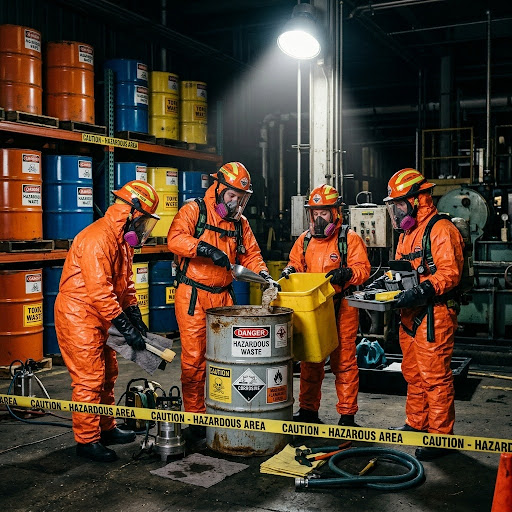
Each of these scenarios requires more than protective gloves and a strong stomach. They require industry-grade equipment, knowledge of local health and safety regulations, proper waste disposal protocols, and the technical expertise to decontaminate a space thoroughly—not just on the surface, but at a structural level.
When a property has been exposed to biohazards, for example, contamination can penetrate porous materials like flooring, drywall, and insulation. Cleaning what’s visible doesn’t resolve the hidden risk. That’s why professional remediation is so different from a standard cleanup—and why it matters so much.
The Hidden Risks of Delaying Hazardous Cleanup
Time is rarely on your side when it comes to hazardous situations. The longer a contaminated space sits untreated, the more complex and costly the remediation becomes.
Mold, for instance, can spread rapidly through HVAC systems and wall cavities within 24 to 48 hours of moisture exposure. Biohazardous materials can accelerate decomposition processes that release airborne pathogens. Chemical spills can leach into concrete and soil, creating environmental liabilities that extend well beyond the immediate property boundaries.
There’s also a human cost to consider. People who attempt to clean up hazardous environments without the right training and equipment put their own health at serious risk. Exposure to bloodborne pathogens, toxic fumes, or mold spores can cause respiratory illness, skin conditions, and long-term health complications. The financial savings of a DIY approach pale in comparison to those potential consequences.
Acting quickly and engaging a certified cleanup service is not an overreaction. It’s the responsible and often the safer financial decision.
Why Professional Certification and Training Set the Standard
Not all cleanup companies are equipped to handle genuinely hazardous environments. The distinction lies in certification, training, and the range of services offered.
Certified hazardous cleanup professionals are trained to comply with OSHA standards, EPA disposal regulations, and state-specific biohazard handling requirements. They carry appropriate insurance coverage, use industry-standard personal protective equipment, and follow documented decontamination protocols that can be verified and tracked.
This matters enormously for property owners and businesses. A cleanup that doesn’t meet regulatory standards can result in liability exposure, failed property inspections, and the need to redo remediation work entirely. Hiring a qualified, certified team the first time protects both the physical space and the people responsible for it.
What to Expect From a Professional Hazardous Cleanup Service
Understanding what a professional cleanup engagement actually looks like can help property owners feel more prepared when they need one.
The process typically begins with a thorough assessment of the affected area. Technicians identify the type and extent of contamination, determine what materials need to be removed, and establish a remediation plan. Depending on the situation, the space may need to be secured and ventilated before any work begins.
Cleanup itself involves the careful removal and proper disposal of contaminated materials, followed by disinfection and decontamination using EPA-approved agents. For biohazard scenarios, this includes treating all surfaces that may have had contact with hazardous substances, not just those that appear visibly affected.
Once the physical cleanup is complete, a final assessment confirms that the area meets safety standards. Some services also include odor removal and light restoration work to help the property return to a functional state as quickly as possible.
Throughout the process, a reputable service communicates clearly with clients—explaining what’s happening, why, and what the next steps are. That transparency is especially important in situations that are already stressful and emotionally difficult.
Choosing a Hazardous Cleanup Service That Delivers on Its Promise
The market for hazardous and specialty cleanup services has grown considerably in recent years, which means property owners have more options than ever. But more options also mean more variability in quality, and the stakes in hazardous cleanup are too high for guesswork.
360 Hazardous Cleanup brings together the professional certifications, experienced technicians, and compassionate client communication that property owners and businesses need when facing their most challenging cleanup situations—delivering thorough, compliant remediation that protects health, preserves property value, and provides genuine peace of mind from the first call to the final inspection.
When evaluating any hazardous cleanup provider, a few key questions are worth asking:
- Are technicians certified and trained to handle the specific type of contamination involved?
- Does the company carry appropriate liability insurance and workers’ compensation coverage?
- What disposal protocols does the company follow, and are they compliant with local regulations?
- Can the company provide references or documented outcomes from similar projects?
- How does the team communicate with clients throughout the process?
Answers to these questions reveal a great deal about a company’s professionalism and whether they’re genuinely equipped to handle the job safely and thoroughly.
Hazardous Cleanup Done Right Makes a Real Difference
The goal of every hazardous cleanup engagement is simple: return a space to safe, functional condition, and do it in a way that protects everyone involved. That includes the people who live or work in the space, the technicians performing the remediation, and the broader community affected by how waste is managed and disposed of.
When done right, professional hazardous cleanup doesn’t just remove a risk. It restores something—a home, a workplace, a sense of normalcy after a difficult event. That restoration has real value, and it starts with choosing a team that treats every job with the seriousness and skill it deserves.