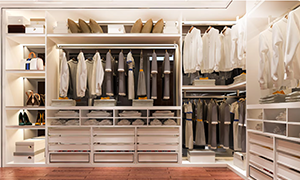
Choosing between a built-in and a walk-in wardrobe comes down to usable space, storage needs, and how the bedroom functions day-to-day. A built-in concentrates storage along a wall, whereas a walk-in requires enough floor area for cabinetry and comfortable movement between storage zones.
For homeowners planning custom wardrobes Sydney, size alone should not determine the choice. A compact, well-organised built-in can provide useful storage without taking floor space away from other bedroom functions. The starting point should be what needs to be stored, how often those items are used and how much bedroom space can reasonably be allocated to the wardrobe.
Australian Government YourHome guidance recommends making a detailed list of storage requirements and checking whether space is being used efficiently when planning a home. Applying the same approach to wardrobes helps turn a design preference into a practical storage decision.
When Is a Built-In Wardrobe the Better Choice?
A built-in wardrobe generally suits bedrooms where storage needs to be maximised without creating a separate dressing area. It uses part of the existing bedroom rather than requiring additional circulation space inside the wardrobe itself.
When planning custom wardrobes Sydney, the door configuration is an important part of this decision. Sliding doors move sideways along tracks and do not swing into the bedroom, making them useful where a bed, bedside table or walkway is close to the wardrobe. Hinged doors need clear space in front of them and provide direct access to the section behind each door.
Built-ins can also make use of vertical wall space. Internal sections can be divided among full-length hanging, double hanging, drawers, shelving, and upper storage, depending on what the household owns.
This makes the format particularly useful in smaller and medium-sized bedrooms where allocating floor area to a walk-in could reduce comfortable circulation around the bed.
The bedroom floor in front of a built-in also doubles as the area from which the wardrobe is accessed, allowing more of the wardrobe footprint to be devoted to storage.
When Does a Walk-In Wardrobe Make Sense?
A walk-in works well when there is enough floor area to create a dedicated storage zone without compromising movement through the bedroom.
Its main design advantage is the ability to access multiple walls. Instead of concentrating storage along one frontage, hanging rails, drawers, shelves, shoes and accessories can be arranged around two or three sides. This can be useful for couples who want separate zones or households with a larger volume of clothing.
The measurement that matters is the clear space remaining after accounting for cabinetry and hanging clothes.
Drawers need room to open. Clothing projects beyond hanging rails. People need enough space to turn, reach lower storage and move through the wardrobe without obstruction. These dimensions need to be considered when determining how much usable storage the space can accommodate.
This follows a broader principle in the Australian Government’s YourHome residential design guidance: floor space should be assessed according to how efficiently it can be used.
A walk-in makes sense when its additional walls create useful storage and sufficient circulation remains after the fit-out.
Start With What You Need to Store
A wardrobe should be sized around belongings rather than filled with a standard combination of rails and shelves.
Before finalising the layout, estimate the amount of space required for:
- short hanging clothes such as shirts, jackets and trousers
- full-length dresses and coats
- folded clothing
- shoes and handbags
- jewellery, belts and smaller accessories
- suitcases and seasonal items
- spare bedding or linen, if they will share the wardrobe.
The proportions matter. Someone with many shirts may benefit from two hanging rails positioned one above the other. A person with long dresses needs uninterrupted vertical hanging space. Someone who folds most clothing may get greater value from drawers and adjustable shelves.
The same principle applies to shoes and accessories. A large shoe collection needs accessible lower storage, whereas bags may benefit from adjustable shelving that prevents them from being stacked on top of one another.
Frequently used belongings should be kept in the easiest-to-reach areas. Everyday clothes can sit at a comfortable standing height, shoes can use accessible lower shelves, and suitcases or seasonal items can go on higher shelves.
For a shared wardrobe, assigning separate sections can make daily use simpler. Each person can have dedicated hanging, drawers, and shelving, with less-frequently used upper storage shared between them.
Planning Custom Wardrobes Sydney Homes Can Use Efficiently
The best wardrobe format provides enough storage without disrupting movement or furniture placement in the bedroom.
Start by measuring the wall area and available floor space, then map the bed, bedside tables, windows, doors and normal walking paths. This shows how much room can realistically be assigned to storage.
For a built-in, consider whether sliding or hinged doors suit the clearance available. Sliding doors can preserve movement space in tighter rooms. Hinged doors require enough clearance in front to open fully.
For a walk-in, account for storage depth and the clear aisle between opposing sections. Open drawers, hanging garments, and two people using the wardrobe at once can all affect how comfortably the space functions.
YourHome notes that well-designed storage can help compact homes function effectively. The same principle applies at the bedroom level. Useful wardrobe capacity depends on how easily the storage can be accessed without restricting movement through the room.
Lighting should be planned at this stage too. Deep shelves and enclosed walk-ins can create darker storage areas, so suitable lighting can make clothing and smaller items easier to locate.
Think About How Storage Needs May Change
A wardrobe should accommodate current belongings while retaining some flexibility for changes in storage needs.
Adjustable shelving can be repositioned as folded clothing, shoes or accessories change. A balanced combination of drawers, shelves, and hanging areas also provides more flexibility than designing most of the interior around a single type of item.
Household needs can change as well. A wardrobe initially used by one person may later be shared, and storage that currently holds clothing may eventually need to accommodate bedding, luggage or other belongings.
Planning for flexibility does not require adding unused storage for every possible future need. It means avoiding an interior so specialised that changes in clothing or household routines make large sections difficult to use.
Adjustable and multipurpose storage can make either a built-in or walk-in wardrobe easier to adapt over time.
Conclusion
Choose a built-in when efficient use of bedroom floor space is the priority. Choose a walk-in when the room can accommodate a dedicated dressing area, and the additional storage walls will be put to practical use.
For custom wardrobes in Sydney, the decision should follow a clear order: measure the room, list what needs to be stored, calculate the required storage zones, and check how the proposed layout affects movement.
Once those questions are resolved, door styles, colours, and finishes can be selected to suit the practical layout. Planning around real storage habits helps make better use of the available space, whether the final solution is built-in or walk-in.