Walk past a jewellery shop and it is easy to see where some of the world’s gold goes. But rings, chains and bracelets tell only part of the story. Gold also disappears into bank vaults, investment products, electronics and even specialized equipment.
Some Gold Never Gets Anywhere Near a Jewellery Shop
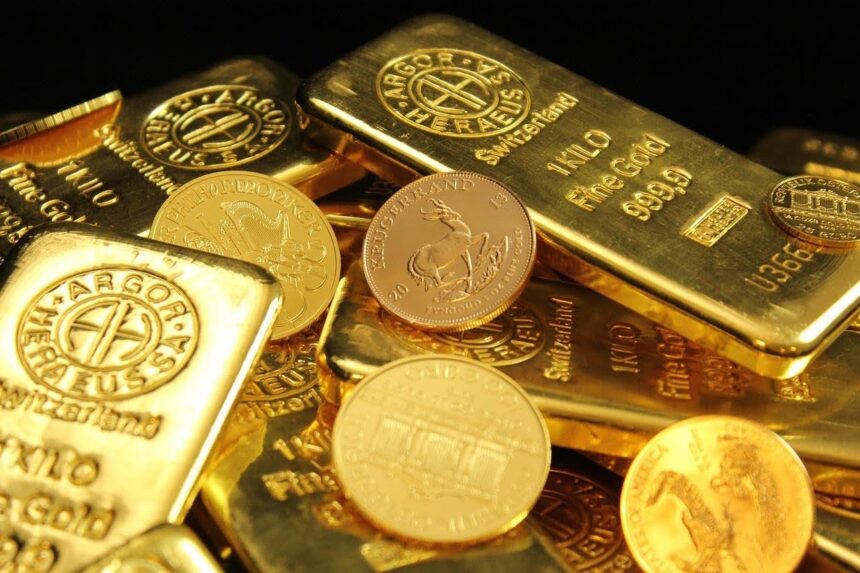
A surprising amount of gold is bought by central banks. Instead of turning it into something decorative, they generally keep it in the form of bars.
Why would a country want piles of metal sitting in storage?
Gold gives governments another place to keep part of their national reserves. A country may already hold dollars, euros, bonds and other financial assets. Gold is different because it does not belong to another country’s currency system.
This is also why central bank purchases sometimes appear in discussions about a gold forecast. If governments are buying more, they add another large group of customers to a market that already includes investors and jewellery makers.
There is no single reason every country buys it. The attraction may be having a wider mix of reserves, reducing reliance on currencies or simply keeping an asset that can be held for a very long time.
Whatever the reason, these buyers are certainly not shopping for necklaces.
Some People Buy Gold and Never See It
There is another strange side to the gold business. You can buy gold without ever touching any.
An investor might choose coins or small bars and keep them somewhere secure. But plenty of people prefer investments whose value is linked to gold. In that case, there may be no exciting moment when a heavy gold bar arrives at the front door.
Gold attracts attention partly because it is so different from owning a business. A company has employees, customers, bills and quarterly results. Gold has none of those things. It just sits there.
That sounds like a weakness, and sometimes it is. Gold does not suddenly invent a popular product or open a hundred new stores.
Yet the simplicity is also part of the appeal for certain buyers. They are buying the metal itself rather than betting on somebody running a company successfully.
Jewellery Is Still a Very Big Part of the Market
Of course, we should not forget the obvious buyer.
People like gold jewellery.
The reasons can go far beyond fashion. Gold can be connected with weddings, family traditions, religious celebrations and major life events. A piece may be bought because someone likes how it looks, because it is a gift or because the family expects to keep it for years.
This is particularly noticeable in large Asian markets such as India and China. Changes in household spending, local traditions and the price of gold can all affect how much people buy.
It also creates an unusual overlap between shopping and saving. A person buying a gold necklace may care about the design, but they probably know that the material itself has value too.
Try saying the same thing about a pair of sneakers.
There May Be Gold in the Device You’re Using
Gold has a less glamorous job as well.
It works well in certain electronic components because it conducts electricity and does not corrode easily. Manufacturers only need very small amounts, so opening an old laptop is unlikely to reveal a shiny lump of gold.
But the world makes an enormous number of electronic products.
Phones, computers, communication equipment and other devices can collectively create demand for metals that are used only in tiny quantities in each individual product.
There are specialized uses outside everyday electronics too. Gold can appear in medical equipment, aerospace technology and other areas where its particular properties are useful.
Most people will never notice this gold. That is exactly the point. It is there because it does a job, not because anyone is supposed to see it.
Old Gold Keeps Coming Back
Not every gold bar starts with freshly mined metal.
Gold can be reused again and again. An unwanted bracelet can be sold, melted and refined. The metal may then begin a completely different life.
Higher gold prices can encourage more of this old material to return to the market. People start looking differently at jewellery they have not worn in years. A damaged chain that seemed useless may suddenly be worth taking to a dealer.
This recycling creates an interesting situation. Today’s gold supply is partly new and partly very old.
A piece of gold does not really care what it used to be.
One Metal, Very Different Customers
Imagine four buyers arriving in the gold market.
One is preparing for a wedding. Another manages investments. The third works for a central bank. The fourth manufactures electronic components.
They want exactly the same metal for completely different reasons.
That is what makes gold unusual. Its demand does not come from a single corner of the economy. Fashion matters. Technology matters. Investment behavior matters. Decisions made by governments matter too.
So when headlines say that demand for gold is rising, it is worth asking a second question: who is actually buying? The answer may have very little to do with jewellery.