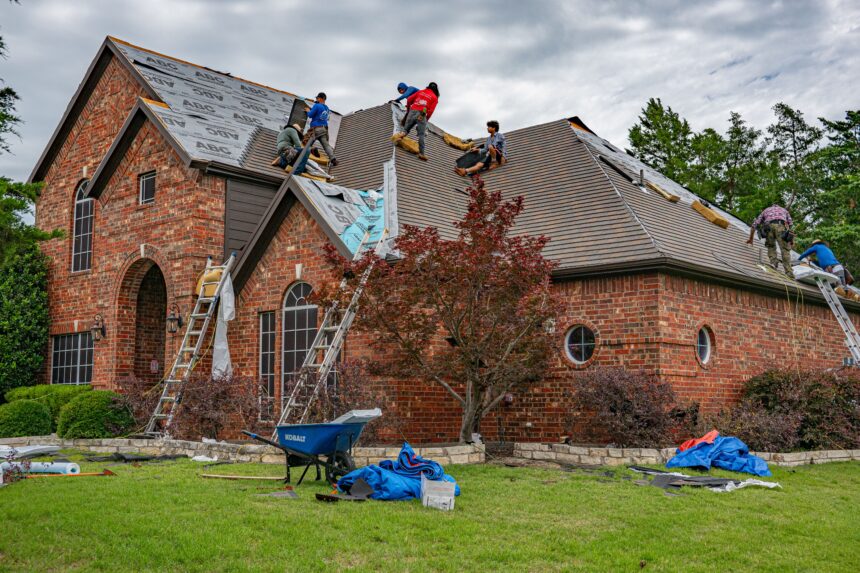
Your siding does more than make your house look presentable. It blocks rain, wind, pests, and temperature swings while taking a daily beating from the weather. In places like Vancouver, Washington, where wet seasons and changing temperatures are part of life, siding choices carry real long-term consequences. If you’re thinking about replacement, repairs, or a full exterior refresh, it helps to know what matters before the first panel comes off.
Why Installation Quality Matters More Than Most Homeowners Expect
Even premium siding can fail early if it’s installed poorly. That includes bad flashing, weak sealing around openings, uneven fastening, and missed weather barriers.
This is where hiring the right pro becomes critical. If you’re comparing local options, a qualified Vancouver siding contractor should understand local weather demands, code expectations, and how different materials behave over time in that region.
Ask practical questions before signing anything:
– What prep work is included?
– Will damaged sheathing be inspected and replaced if needed?
– How are windows, corners, and trim detailed?
– What manufacturer guidelines are being followed?
– Is cleanup included in the quote?
You’re not just paying for panels on a wall. You’re paying for water management, durability, and fewer future headaches.
What Siding Actually Does for Your Home
Siding works as your home’s outer shield, but it also affects energy use, maintenance needs, and resale appeal. Many homeowners focus on color first, then regret ignoring performance.
A good siding system helps you manage several issues at once:
– Moisture protection against rain intrusion
– Resistance to rot, insects, and warping
– Better insulation support for indoor comfort
– A cleaner exterior appearance that lifts curb appeal
– Reduced upkeep if you choose durable materials
If your siding starts cracking, buckling, fading badly, or growing mold in repeated spots, the issue may go beyond cosmetics. Water can slip behind damaged panels and create expensive structural problems. At that point, replacement becomes less of a style project and more of a home-preservation move.
Signs Your Current Siding May Be Failing
Not all siding problems announce themselves dramatically. Sometimes the warning signs are subtle, and that’s what makes them costly.
Watch for these common red flags:
– Paint peeling indoors near exterior walls
– Soft spots or swelling in siding boards
– High energy bills without another clear cause
– Mildew or streaking that keeps returning
– Gaps around seams, trim, or corners
– Bubbling surfaces after wet weather
You might also notice that one side of the house seems to age faster. That often happens where sun exposure, tree coverage, and wind-driven rain hit differently. A quick patch may buy time, but repeated spot repairs can turn into a money pit. If the same section keeps failing, the larger system may already be compromised.
Choosing the Right Material for Your Climate and Budget
Siding materials vary a lot in lifespan, maintenance, and price. There is no universal best option, only the one that fits your house, climate, and tolerance for future upkeep.
Common choices include:
– Vinyl: affordable, low maintenance, widely available
– Fiber cement: durable, fire resistant, heavier, often more expensive to install
– Engineered wood: wood-like appearance with improved moisture resistance
– Natural wood: classic look, higher maintenance demands
– Metal: durable and modern-looking, though dents can be an issue
In wetter climates, moisture resistance matters more than trendiness. A material that looks amazing in a showroom can struggle outdoors if installation details are sloppy. Product specs matter, but installation quality matters just as much. Siding is not a place for “close enough” craftsmanship. Water loves small mistakes.
What the Replacement Process Usually Looks Like
Siding replacement sounds straightforward until your home turns into a temporary construction zone. Knowing the sequence helps you plan and ask better questions.
Most projects follow a pattern:
– Initial inspection and estimate
– Material selection and scheduling
– Removal of old siding
– Inspection of wall sheathing and moisture barriers
– Repairs to damaged substrate if necessary
– Installation of flashing, wrap, trim, and new siding
– Final walkthrough and cleanup
Unexpected costs often appear after old siding is removed. Rot, insect damage, or hidden leaks may need correction before new materials go on. That can feel annoying, but covering damaged structure is much worse. It’s like putting clean sneakers over a sprained ankle and hoping for the best.
Timelines vary depending on house size, weather, and material type. A realistic contractor should give you a schedule range, not a fantasy calendar.
How to Compare Estimates Without Getting Misled
The cheapest estimate can become the most expensive outcome if important details are missing. Low bids often hide shortcuts in prep, labor, disposal, or moisture protection.
When comparing quotes, look for specifics such as:
– Brand and type of siding material
– Thickness or grade of product
– House wrap or weather barrier details
– Trim replacement scope
– Disposal of old materials
– Labor warranty and product warranty
– Cost allowances for hidden damage
A vague estimate is a problem, not a convenience. If one quote is dramatically lower, ask what was excluded. You may find that one contractor priced in flashing updates and trim work while another quietly left them out.
Clarity beats guesswork every time. If you can’t tell what you’re buying, you can’t really compare it.
Design Choices That Affect More Than Looks
Color, profile, and trim style shape your home’s personality, but they also influence maintenance and resale impressions. Design decisions have practical consequences.
Darker colors may absorb more heat and show fading differently over time. Bold styles can look sharp on modern homes but clash with older architecture. Wider panel profiles may make a small house feel larger, while detailed trim can add dimension without a full redesign.
Helpful things to think through include:
– How the siding works with roofing color
– Whether trim should contrast or blend in
– How much texture fits your home’s style
– How visible dirt, pollen, or water marks may be
A smart exterior update feels intentional, not random. You want a look that still makes sense five years from now, not something that only wins for a week on your group chat.
How to Make Your Siding Investment Last Longer
New siding is not a one-and-done miracle. It needs occasional attention if you want full value from the investment.
A few habits make a big difference:
– Inspect exterior walls seasonally
– Clean dirt and mildew before buildup gets stubborn
– Keep gutters working properly
– Trim plants away from siding surfaces
– Check caulking around windows and penetrations
– Address small cracks or loose pieces early
You don’t need to obsess over every board after installation. You do need to pay attention when something changes. Most major siding failures start as minor issues that were easy to ignore.
If you approach replacement with clear priorities, realistic budgeting, and a sharp eye for workmanship, you’ll end up with more than a nicer-looking house. You’ll have an exterior that holds up better, performs better, and asks for fewer expensive surprises later.