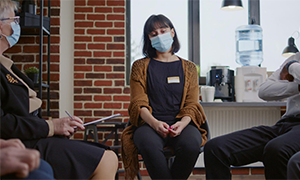
Smoking cessation training gives community health workers practical knowledge to discuss tobacco use, recognise nicotine dependence and connect people with appropriate support. In Aboriginal and Torres Strait Islander health settings, these skills can contribute to reducing tobacco-related harm through culturally informed, community-focused care.
Smoking rates among Aboriginal and Torres Strait Islander people have declined substantially. The Australian Institute of Health and Welfare (AIHW) reports that 29% of First Nations people aged 15 and over smoked daily in 2022–23, compared with 37% in 2018–19. Tobacco smoking remains a major preventable risk factor for cardiovascular disease, cancer and respiratory disease.
Community health workers may encounter tobacco use through primary healthcare, chronic disease programs, preventive care and health promotion. Training prepares workers to use these interactions appropriately, with accurate information about nicotine dependence, cessation support and pathways to further care.
Smoking cessation training builds practical workforce skills
Quitting smoking can involve nicotine dependence, withdrawal symptoms, established routines and social or environmental triggers. Understanding these factors helps community health workers have more useful conversations than repeating general messages about tobacco-related health risks.
The Australian Government’s smoking cessation guidance for Aboriginal and Torres Strait Islander health workers covers nicotine addiction, withdrawal, ways to stop smoking, nicotine replacement therapy (NRT) and other medicines. This gives workers an evidence-based foundation for understanding what a person may experience when reducing or stopping tobacco use.
Training can prepare community health workers to:
- Recognise appropriate opportunities to discuss smoking
- Ask about a person’s interest in quitting
- Understand common nicotine withdrawal symptoms
- Explore previous quit attempts and possible barriers
- Provide accurate information about available support
- Identify when further professional assistance is appropriate.
Access to relevant smoking cessation education and resources can reinforce this knowledge. Current sector activities include workshops, training and planning sessions, sharing local smoking cessation initiatives, workforce upskilling and providing cultural expertise.
The ESTER project, developed with Cancer Institute NSW, involves creating an online smoking and vaping cessation education module for health professionals. This reflects the need for workforce education to address both smoking and vaping as patterns of nicotine use change.
Culturally informed conversations respond to individual needs
Effective cessation conversations need to account for the person’s circumstances, previous experiences and readiness to consider quitting. A standard message about smoking risks cannot provide that individual context.
The RACGP’s National Guide to Preventive Healthcare for Aboriginal and Torres Strait Islander People recommends advising adults who smoke to quit and discussing effective ways to do so opportunistically. It also recommends multi-session behavioural cessation support, including individual or group counselling and other cessation services.
Community health workers can apply this principle through respectful conversations about tobacco use. A discussion may explore why the person smokes, what happened during previous attempts to stop, situations associated with smoking and what type of assistance they would feel comfortable accessing.
Cultural knowledge affects how these discussions are approached. Communication needs to respect the individual’s choices and recognise that communities may have different priorities for tobacco control and health education.
The ATRAC Framework supports an integrated, coordinated and client-focused approach to tobacco resistance and control. The ATRAC Yarning Tool provides ACCHS staff and management with a structured way to assess tobacco control activities and identify areas for improvement.
These approaches connect individual cessation conversations with locally informed tobacco control activities, allowing services to consider both personal needs and community priorities.
Training helps workers connect people with cessation support
Community health workers can support cessation by identifying when someone wants further help and connecting them with appropriate behavioural, clinical or community-based services.
Australian clinical guidance identifies behavioural support and smoking cessation pharmacotherapy as evidence-based options for adults who smoke. The RACGP’s preventive healthcare guidance covers nicotine replacement therapy and prescription medicines used in cessation care. Decisions about medicines require an appropriately qualified healthcare professional who can consider the person’s health and individual circumstances.
Training helps community health workers understand how these options fit into the broader cessation pathway without requiring them to make clinical treatment decisions outside their professional responsibilities.
For example, a worker may identify that a person wants to quit but is concerned about cravings after a previous attempt. The worker can explain that support is available and connect the person with an appropriate clinician or cessation service to discuss suitable options.
Training also provides useful context when a quit attempt does not result in long-term cessation. Nicotine dependence can make stopping difficult, and some people make multiple attempts. A follow-up conversation can focus on what the person experienced and what additional assistance may be appropriate for another attempt.
Knowing available referral pathways gives workers a practical way to turn a conversation about quitting into a defined next step.
Workforce development supports coordinated tobacco control
Smoking cessation training can strengthen consistency across community health services by giving workers a shared understanding of tobacco dependence, cessation pathways and current nicotine-use issues.
This knowledge is relevant across multiple areas of community healthcare. Tobacco use may be discussed during preventive health checks, chronic disease care, maternal health services or community health promotion. Consistent workforce education helps workers approach these situations using current information and established service pathways.
Changing patterns of nicotine use are also shaping workforce education. AIHW data from the National Drug Strategy Household Survey shows that e-cigarette use among First Nations respondents increased between 2019 and 2022–23. The survey excludes people living in remote communities, so these findings should not be treated as representative of every Aboriginal and Torres Strait Islander community.
Including smoking and vaping in workforce education helps workers respond to questions about different forms of nicotine use and recognise when clinical advice is needed.
Service-level training can also reveal practical gaps. A health service may identify that workers need clearer referral information, updated cessation resources or more knowledge about vaping. Training and planning sessions provide an opportunity to address these specific needs rather than relying on inconsistent information across teams.
Building this shared capability supports more coordinated tobacco control across everyday healthcare, health promotion and community programs.
Conclusion
Community health workers can support people considering quitting by recognising opportunities for discussion, understanding the factors involved in nicotine dependence and connecting people with suitable services.
Smoking cessation training provides a practical foundation for this work. Combining evidence-based cessation knowledge with culturally informed communication and up-to-date information about smoking and vaping helps workers provide relevant support in their roles and contribute to coordinated community tobacco control.