Key Highlights
- A solitaire engagement ring puts one centre stone at centre stage, so your diamond cut becomes the main feature.
- This guide explains how a classic solitaire differs from styles with side stones or halo designs.
- You will see how carat weight, shape, and setting change visual impact and price point.
- We also compare white gold, yellow gold, and platinum for everyday wear.
- Popular shapes such as round brilliant, oval cut, cushion cut, and princess cut suit different tastes.
- Simple design choices can help you find better balance between a diamond’s quality, overall look, and budget.
Introduction
A solitaire engagement ring remains one of the clearest ways to let a diamond speak for itself. If you are comparing diamond rings, this style helps you focus on what matters most: diamond shape, cut, setting, and metal. This guide gives you a practical way to choose a ring that feels timeless, wearable, and right for your personal style.
Why Choose a Solitaire Engagement Ring
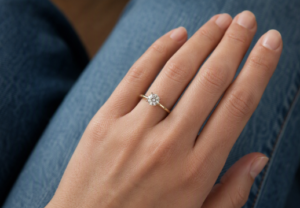
A solitaire ring is built around a single diamond. That makes it different from an engagement ring style with halo designs, small diamonds, or side stones. In a classic solitaire, the centre stone gets full attention, which helps you judge the diamond’s cut, shape, and visual impact more clearly.
Many people choose this design because it feels clean and lasting. It suits different precious metals and works with both modern and vintage-inspired details. If you want a ring that is simple but still meaningful, a solitaire engagement ring gives your centre stone room to stand out.
The Timeless Appeal of the Solitaire
The strength of a solitaire setting is its focus. With fewer design distractions, your eye goes straight to the diamond. That is why a brilliant cut often looks so striking in this style.
It also suits everyday wear. A simple ring profile can feel easy to live with, whether you prefer white gold, yellow gold, or platinum. For many buyers, that balance matters just as much as sparkle.
There is also an emotional reason people keep coming back to it. A solitaire can reflect a love story in a very direct way: one diamond, one promise. When choosing the diamond, look closely at cut quality, shape, and how the stone looks on your hand.
Understanding the 4Cs When Selecting a Solitaire Engagement Ring Diamond
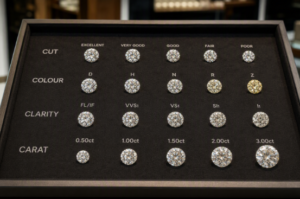
The 4Cs give you a simple way to assess a diamond’s quality. For a solitaire, they matter even more because the centre stone is the whole focus. Cut diamonds, diamond colour, carat weight, and clarity all play a significant role in what you see.
Still, they do not carry equal visual weight in every ring. The next section breaks down what each one means in practical terms, so you can compare options with more confidence.
Cut, Colour, Clarity, and Carat — What Matters Most
For a solitaire ring, prioritise cut quality—it maximises sparkle, brilliance, and visual appeal. Next, balance colour, clarity, and carat weight with your budget.
The 4Cs explained:
- Cut: Impacts brightness and light return; a superior cut can make a smaller diamond look more vibrant.
- Colour: Determines how white or warm the diamond appears.
- Clarity: Indicates visible flaws or inclusions.
- Carat: Refers to size, not beauty.
In solitaires, details are noticeable. A well-cut diamond usually offers better value than a larger but poorly cut one.
Real-Life Example: Comparing Two Diamonds in the Same Budget
Two diamonds can cost the same but look very different in a solitaire. This is because the centre diamond creates most of the visual impact. Key factors are cut, carat weight, shape, and metal choice.
Example:
| Option | Diamond Cut | Carat Weight Look | Metal | Result |
| Diamond A | Excellent | Slightly smaller | Platinum | Brighter centre, cleaner appearance |
| Diamond B | Average | Slightly larger | 18K Yellow Gold | Larger face-up, less sparkle |
For best value, Diamond A may appear more refined—even if it looks smaller—especially with natural diamonds in solitaire settings where sparkle matters most.
Diamond Shapes Best Suited for Solitaire Engagement Rings
Shape changes the entire personality of a solitaire engagement ring. Some buyers want maximum sparkle, while others care more about an elongated shape or a sharper outline. That is why diamond shape should never be an afterthought.
In solitaire engagement rings in Australia, popular options include round brilliant, cushion cut, princess cut, and oval cut. Each shape creates a different overall style, which is why comparing them side by side can help.
Pros and Cons of Popular Shapes in Solitaire Settings
If you’re unsure which diamond shape to choose for a solitaire engagement ring, start by considering the look you want on your hand. Some shapes emphasise sparkle, while others create length or a bold outline.
Quick comparison:
- Round brilliant: classic, balanced, strong sparkle
- Oval cut: soft, elongated, elegant
- Cushion cut: rounded corners, gentle appearance
- Princess cut: sharp lines, geometric style
- Marquise cut: long shape, dramatic impact
Choose based on your personal taste—not just trends. If you prefer a larger-looking outline, consider elongated shapes like oval, pear, or marquise over square profiles.
Choosing a Shape to Match Your Personal Style
Let your personal style guide your choice. If you prefer clean lines and simple pieces, an emerald or asscher cut offers a polished, modern look. Softer styles like oval or cushion cuts provide a gentler feel.
For vintage flair, emerald or asscher cuts suit an art deco vibe, while pear shapes add fluidity. Radiant cuts balance sparkle and structure.
Try picturing the ring with your everyday outfits and wedding band. If it feels natural with what you wear, it’s likely a better choice than just following trends.
Band Styles and Metal Choices That Enhance Your Solitaire Engagement Ring
The band does more than hold the stone. It changes tone, contrast, and how large or bright the diamond appears. In a solitaire, these details are easier to notice because the design is pared back.
White gold, rose gold, and yellow gold each create a different feel, and all can pair well with a wedding band. The next sections look at how precious metals and band proportions shape the final result.
Comparing Platinum, White Gold, and Yellow Gold for Durability and Look
Different band styles and metals pair well with solitaire engagement rings. Platinum, white gold, yellow gold, and rose gold are all popular options that complement various diamond shapes without overshadowing the centre stone.
Quick comparison:
- Platinum: Bright, durable, ideal for daily wear.
- White gold: Modern look, especially with round diamonds.
- Yellow gold: Warm tone, strong contrast with diamonds.
- Rose gold: Soft colour for a unique finish.
Your budget and style preference will help guide your choice. ANTON Jewellery offers solitaire rings in platinum, 18K white gold, 18K yellow gold, and 18K rose gold for plenty of options.
Band Widths and Profiles: Subtle Differences that Change Everything
Small changes in band width can transform a solitaire ring’s appearance. A thinner band makes the diamond stand out, while a wider band adds weight and presence—both should be considered alongside your ring size.
Band profile matters too: rounded bands feel softer; flat ones look more modern. If you’ll wear a wedding band with it, the side view is just as important as the top.
Many buyers overlook this, focusing on the diamond first. But even without ornate details, the band’s proportions have a bigger impact than you might expect.
Choosing the Right Setting for Your Solitaire Engagement Ring
To pick the right setting for your solitaire engagement ring, start with what you want the diamond to do. Prong settings use metal claws to hold the stone while keeping it open to view, which helps maximise visual impact. A bezel setting surrounds the stone more fully, giving a different outline and a cleaner frame.
It also helps to compare the solitaire with other formats such as halo designs or rings with side stones. If you want the centre diamond to stay the focus, a simple solitaire setting usually gives the clearest result. That is why it remains a popular choice across many diamond shape options.
Conclusion
Choosing the perfect solitaire engagement ring combines personal preferences with diamond basics. A solitaire’s timeless elegance offers versatile style for any occasion. By considering the 4Cs—cut, colour, clarity, and carat—you ensure both beauty and quality. Exploring different shapes and band styles lets you create a unique piece that matches your partner’s taste. Investing time in this process leads to a cherished symbol of love.
Frequently Asked Questions
How do I know if my solitaire diamond is high quality?
Check the diamond’s quality by looking at cut diamonds first, then reviewing colour or grades and clarity. In a solitaire, flaws are easier to notice with the naked eye, so a lively cut and clean appearance often matter more than size alone.
Is it important to buy a certified diamond for a solitaire engagement ring?
Yes, a certified diamond adds confidence when buying a solitaire ring because the centre stone is the focus. ANTON Jewellery highlights GIA-certified diamonds, and Gemological Institute of America grading can help you compare diamond rings and diamond cuts more clearly.
What maintenance does a solitaire engagement ring require in Australia?
For daily wear, keep your solitaire ring clean and check it regularly, especially around the setting. A gentle clean with warm water can help maintain shine. This matters in Australia because natural diamonds worn for everyday wear collect residue over time.
If you are comparing solitaire engagement rings in Australia and want to see how shape, metal, and setting work together, review a curated range from ANTON Jeweller and explore diamond jewellery in Melbourne to narrow your next step with confidence.