Technology does not always change our lives through dramatic inventions. Sometimes the biggest differences come from small devices that quietly remove everyday inconveniences. A compact printer, a smart kitchen gadget, or a simple organizational tool may not seem revolutionary at first, but over time, these devices can change how people work, organize their homes, and manage routine tasks.
Small Devices, Noticeable Changes
Consider how much time people spend identifying things. Storage boxes need labels, cables become difficult to distinguish, school supplies get mixed together, and small business owners often need to organize products or packages. What once required handwriting or a traditional printer can now be handled with a small device.
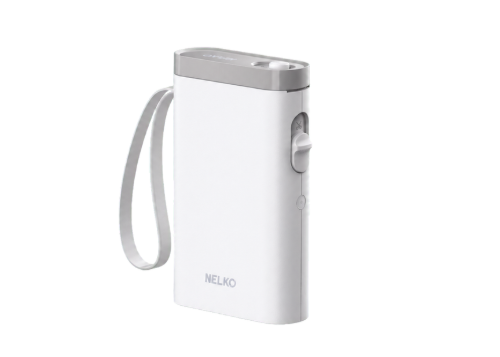
A portable label printer is one example of this change. Compact label printers can make it easier to organize storage boxes, office supplies, school materials, craft items, and other belongings. The NELKO P21 is a Bluetooth thermal label printer designed for mobile use, allowing users to create labels through a compatible mobile app without relying on traditional ink cartridges.
The important change is not necessarily the printer itself. It is the reduction of friction. When something takes only a few moments, people are more likely to label storage containers, organize supplies, or identify personal items.
Printing Has Become More Flexible
Traditional printers remain useful for documents, photographs, and larger projects. However, the idea of printing has expanded beyond the standard desktop machine.
A portable printer can be useful when the goal is convenience and mobility. Compact thermal printers are designed for specific everyday printing tasks, allowing people to handle small jobs without setting up a conventional printer.
This reflects a broader trend in consumer technology. Instead of expecting one machine to handle every possible task, people can choose smaller tools designed around particular needs.
Organization Is Becoming More Visual
Labels can also change the way people interact with their belongings. A clearly marked container makes it easier to find something without opening every box. In a shared workspace, labels can help distinguish supplies. At home, they can make storage systems easier for everyone to understand.
The same principle applies to cables, drawers, pantry containers, craft supplies, and school materials. The technology behind the label may be relatively simple, but the behavioral effect can be significant. When information is visible, people spend less time searching for it.
Convenience Can Influence Habits
One reason everyday technology becomes valuable is that convenience can influence behavior. If organizing something requires several steps, it is easy to postpone. If the same task can be completed quickly, it becomes easier to build into a routine.
This is why small devices sometimes have an impact that seems larger than their size suggests. A compact printer does not completely transform a household, but it can make dozens of small tasks easier over weeks and months.
The same idea can be seen across modern life. Smart plugs make it easier to control appliances. Wireless earbuds remove the need for cables. Digital payment systems simplify small purchases. Robot vacuums automate part of household cleaning. None of these devices necessarily changes life overnight, but together they reduce the number of small inconveniences people encounter every day.
The Real Innovation May Be Simplicity
Modern technology is often judged by how powerful or advanced it is. Yet another useful measure is how easily it fits into ordinary life.
A device that solves a small problem without creating another complicated process can be surprisingly valuable. Compact printers are one example of this principle. They take tasks that were once tied to larger equipment and make them more accessible for everyday situations.
The broader lesson is that technological progress does not always arrive as a major breakthrough. Sometimes it appears as a smaller device that saves a few minutes, reduces clutter, or makes an annoying task easier. Those small improvements may not attract much attention individually, but they can quietly change the way people live and work.