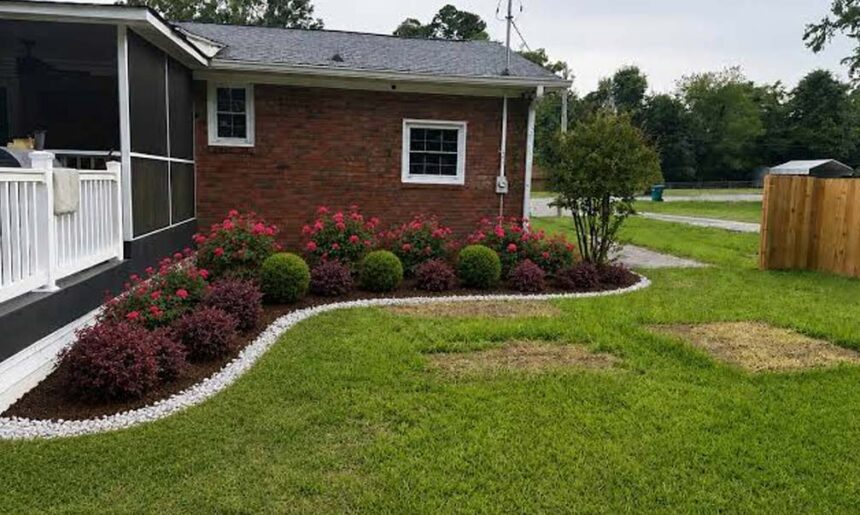
Lexington’s hot summers, heavy clay soils, and sudden thunderstorms create distinct design constraints for residential landscapes. A plan that thrives here must account for punishing afternoon sun, slow-draining soils, and stormwater that can pool near foundations or flow across driveways. Instead of fighting those realities, smart design uses them. This article lays out practical ways to read your site, steer water, build beds, and choose plants and hardscape that handle Midlands conditions. Whether you’re refreshing a front entry or rethinking a sloped backyard, the goal is the same: a landscape that looks good in August, survives heavy rain, and stays maintainable all year.
-
Read Your Site: Sun, Slope, and Soil in Lexington’s Climate
Start with a quick audit. Track where you get full sun, partial shade, and afternoon heat reflecting off concrete or brick. Notice any low spots after rain and where runoff leaves silt trails. Check your soil by digging a small hole: in many Lexington neighborhoods, you’ll hit dense, compacted clay under a thin layer of topsoil. That clay influences everything from plant selection to the type of hardscape base you’ll need. Local portfolios can help you visualize what works under similar conditions; galleries from regional firms, including https://mossystonelandscaping.com/, show how sun, soil, and slope drive different layouts and materials.
Confirm what you saw with a simple percolation check. Fill a hole with water and see how quickly it disappears. Slow absorption suggests prioritizing grading, swales, or permeable surfaces. A basic soil test (available at garden centers) will reveal pH and organic matter, which affect nutrient availability for turf and shrubs. Document your findings on a sketch: mark downspouts, hard edges like sidewalks, and tree canopies. This site map anchors design decisions so you’re not guessing where beds, lawn panels, or patios belong.
-
Managing Stormwater: Grading, Swales, and Permeable Hardscape
Good drainage begins with subtle grading. Aim for a gentle pitch away from the house so roof runoff doesn’t linger near the foundation. On longer runs, a shallow turf swale can collect and move water without looking like a ditch. Where you can’t achieve flow with surface shaping alone, consider a French drain or a catch basin tied to a solid pipe that releases water downhill. Use washed stone around any subsurface drain, and wrap the aggregate in a permeable fabric, so fine clay particles don’t clog the system.
Hardscape either helps or hurts drainage. A solid concrete pad sheds water quickly; a permeable paver patio over a graded stone base lets stormwater filter into the ground slowly. Gravel walkways, stepping stone paths with joints filled in with stone chips, and pavers with open joints all reduce runoff. If you have a consistently wet corner, a rain garden with deep-rooted natives, such as switchgrass and sweetspire, acts like a living sponge. Build it with a soil mix that drains freely and an overflow weir so big storms can bypass the basin without eroding nearby beds.
-
Plant Palettes That Like Heat and Humidity
Choose plants that appreciate Lexington’s heat and summer humidity. Ornamental grasses like muhly grass and little bluestem handle reflected heat near driveways. Shrubs such as dwarf yaupon holly and inkberry holly tolerate clay better than many broadleaf evergreens. For a foundation bed facing west, mix these structural plants with sun-loving plants like lantana or coneflower to keep color through late summer. Use pine straw or shredded bark mulch to moderate soil temperatures and buffer splash during downpours.
In shadier areas, lean on species that thrive under tree canopies and adapt to intermittent moisture. Oakleaf hydrangea, sweetspire, and ferns handle filtered light and hold up in humid summers. For groundcover, look at native green and gold or frogfruit to knit soil in dappled shade without smothering tree roots. Where nothing wants to grow under mature pines, define the drip line with steel edging, add a breathable mulch ring, and use decorative boulders or a bench to turn a problem spot into a low-maintenance feature.
-
Building Beds and Lawns for Compacted Clay
Clay isn’t the enemy if you prepare for it. In planting beds, loosen the top layer and work in compost or pine bark fines to improve structure and air space. Avoid creating sharp interfaces like a thin layer of rich soil over dense clay, which can trap water around roots. For turf, core aeration relieves compaction and creates channels for water and nutrients. Warm-season grasses commonly used in the Midlands, such as bermudagrass and zoysiagrass, respond well to aeration followed by topdressing with compost.
Edge design matters on slopes and along driveways. Steel or aluminum edging holds mulch in place and keeps gravel paths crisp without creating a tall barrier that deflects water. On steeper grades, a low retaining wall can terrace a bed and slow runoff so mulch and fine particles stay put. Skip the weed fabric under beds; in clay soils it often causes water to flow across the surface and can restrict plant roots near the interface. A few inches of organic mulch, refreshed annually, suppresses weeds while allowing percolation and gas exchange.
Irrigation and Maintenance That Fit the Design
Match irrigation to your layout. Separate zones for turf and planting beds prevent overwatering shrubs when the lawn needs more water. Drip lines or emitters placed at specific points around foundation shrubs deliver water to the root zone with minimal evaporation, which helps during hot, breezy afternoons. For spray heads, check precipitation rates and adjust for overlap so you don’t create soggy arcs that encourage disease. A rain sensor or controller that responds to weather conditions pauses watering during summer storms, keeping plants out of saturated soil.
Plan maintenance around Lexington’s seasons. Top up organic mulch before peak heat to insulate roots and reduce crusting on clay. Prune shrubs that flower in spring after they bloom, not in winter, to avoid cutting off next year’s buds. Resist “crape murder,” the harsh topping of crape myrtles that leads to weak regrowth and pest issues; instead, thin crossing branches and reduce size with selective cuts. Once a year, audit drainage after a heavy rain and clear debris from swales, downspout outlets, and permeable joints so stormwater can keep moving where you intended.
Every yard in Lexington is a mix of microclimates, construction legacies, and homeowner habits. When you read your site, manage stormwater with subtle grading and permeable materials, and pick plants built for heat and humidity, the design starts working with local conditions rather than against them. A simple plan drawing that maps sun paths, downspouts, and bed edges will clarify where lawn panels, patios, and rain-absorbing features belong. If you want an outside perspective, invite a landscape designer to critique your sketch and validate drainage and soil preparation. The strongest designs here look good in August, shrug off a thunderstorm, and stay pleasant to maintain.