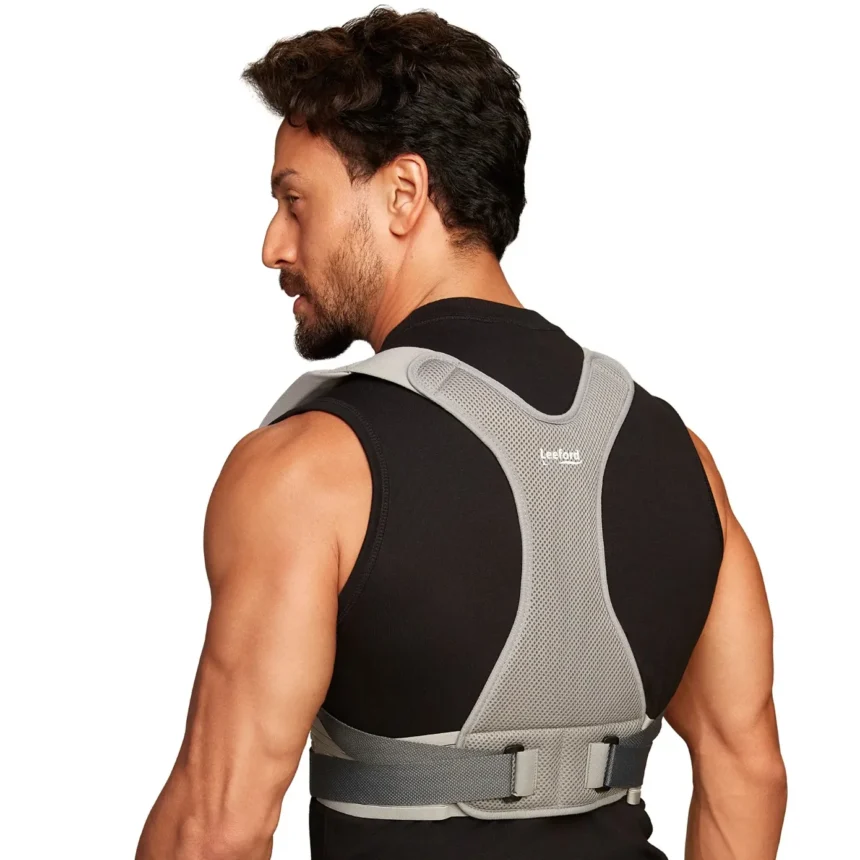
Good posture is totally important for everyday comfort as well as movement. Working in the same position for a long time can make it harder to maintain good posture.
This actually becomes a good reason for many people to use a posture corrector. A posture corrector is simply curated to assist your body to stay in a better position.
It may actually help you become more aware of how you regularly maintain your body posture. If you are planning to use a posture corrector, it is important to know what to avoid.
Here are some common mistakes that the users should avoid.
Wearing The Posture Corrector With A Too Tight Fitting
This is a very common mistake that is highly made by new users. This usually involves making the fit of the posture corrector too tight.
They may have a misconception that tighter straps will actually help to pull their shoulders back in a more effective way. This just ends up with nothing but more pain & discomfort to the body.
A posture corrector should totally feel supportive in a gentle manner and not painful at all. The posture corrector can actually cause discomfort along with making the normal movement feel difficult as well as restricted if the fitting is too tight.
The correct fit should totally allow you to move in a normal manner while gently assisting you to maintain an upright posture with correct alignment.
Signs that the posture corrector may be too tight and urging the need to readjust include:
- Pressure around the shoulders or chest
- Skin irritation or redness
- Numbness or tingling
- Difficulty breathing comfortably
- Pain while moving your arms
- A feeling of excessive pressure
Wearing The Posture Corrector For Longer Durations
Wearing a posture corrector for extended hours is another common mistake that most beginners make usually. Your body can literally become uncomfortable with sharp pain if this continues repeatedly.
The first time users should simply start with a shorter period of 15 to 30 minutes each day. You can simply increase the time if it remains comfortable in a very gradual manner. The new users should –
- Start with a short period while sitting or working with upright posture.
- Pay attention to how your body feels.
- Take it off if experiencing any sharp pain or unusual discomfort.
- Slowly increase wearing time as it becomes more comfortable.
- Always follow the instructions provided.
Choosing The Wrong Size
A posture corrector that does not fit properly may be uncomfortable as well as will turn out to be less useful in future. People sometimes tend to buy a product based only on its utility, appearance or price without really checking the size information.
It is of utmost importance to check the sizing of the posture corrector before buying one. You are advised to check the manufacturer’s sizing guide provided before making the actual purchase. Measure yourself if needed and choose the size which is recommended for you.
A good fit should:
- Sit comfortably on your body
- Stay in place during normal movement
- Avoid digging into your skin
- Allow comfortable breathing
- Allow normal arm movement
- Provide gentle support without excessive pressure
Wearing The Posture Corrector Over Uncomfortable Clothing
The material of a posture corrector can sometimes rub against the skin. Wearing it directly against sensitive skin may lead to irritation. Wearing a thin as well as comfortable layer underneath may make it very easier to use.
Look for clothing that is:
- Soft
- Breathable
- Comfortable
- Not too thick
- Easy to move in
Not Paying Attention To Body Pain
Persistent pain in the body should not be ignored. A little rigidness as well as mild pressure can be experienced when you start using a posture corrector as a beginner. You should stop the use of the posture corrector and reassess if you experience:
- Sharp pain which is unbearable
- Numbness
- Tingling
- Significant skin irritation
- Breathing problems
- Pain that continues for longer after removing the corrector
Note – Consider speaking with a qualified healthcare professional before using a posture corrector If you have an existing injury, ongoing pain, or a medical condition.
Not Taking Short Breaks
Staying in one position for too long can totally make your body feel more stiffened or tired even if you maintain it with good posture. Regular movement can totally help reduce the excess stiffening of the muscles of the back as well as shoulders. You need to make regular movement part of long working sessions.
Simple options include:
- Standing up for a few minutes
- Walking around the room
- Rolling your shoulders gently
- Stretching your arms
- Changing your sitting position
- Taking short breaks from your screen
Expecting Instant Results
Better posture habits usually take time as well as regular practice. A posture corrector is not just a quick fix. You may actually notice with time that it simply reminds you to sit or stand correctly aligned.
But developing lasting habits takes consistent effort. Focus on small improvements instead of expecting a major change overnight. Work on general strength as well as body flexibility.
Use the posture corrector only as an assistive wearable support when appropriate. Being consistent is actually very important to build a good posture.
Conclusion
A posture corrector can be a totally useful wearable for people who really want to focus on improving the correct alignment of the posture.
Choosing the right posture is important but using it in a correct manner is a matter of utmost importance as well as consideration too because many people can make some simple mistakes that somehow reduce the effectiveness of the posture corrector.
The users should totally avoid these common mistakes such as:
- Wearing the posture corrector too tightly
- Using it for too long
- Ignoring pain
It is also totally important to take regular breaks and stay more active in building better posture habits. You should remember that better posture is simply a habit that develops over time with consistency. One should basically use a posture corrector as a tool to support the upright position awareness on a day to day basis, also building healthy daily habits at the same time.
It is best to speak with a qualified healthcare professional if you experience ongoing pain, numbness, weakness or other concerning symptoms. A professional can help you understand the possible cause of your symptoms and recommend an approach that is more personalized as well as appropriate for you.