Have you ever noticed tiny dust floating in a beam of sunlight? Most people do not think much about it. Dust is everywhere, and we usually clean it without worry. But not all dust is the same. Some types can be much more dangerous than they look.
One example is Asbestlint. Many people have never heard this word before. Yet it is something that can be found in older buildings, work sites, and places where asbestos materials are present. The scary part is that you often cannot see the danger with your own eyes.
Asbestlint is made of very small asbestos fibers. These fibers can float through the air and enter the lungs when people breathe. Because the fibers are so tiny, a person may not even know they have been exposed. Years later, that exposure can lead to serious health problems.
In this article, you will learn what Asbestlint is, how it forms, where it is commonly found, and why it can be harmful. We will also look at the different types of asbestos, how people are exposed, and the health risks linked to these tiny fibers. Everything will be explained in simple and easy words.
What Is Asbestlint?
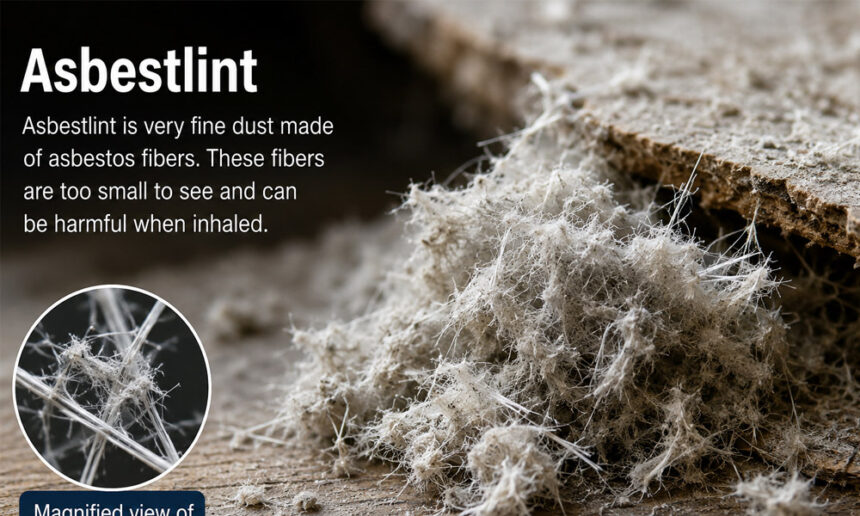
Asbestlint is a fine dust made up of tiny asbestos fibers. These fibers are much smaller than normal dust particles. They are so small that they are often impossible to see without special equipment.
Many years ago, asbestos was used in thousands of products. Builders liked it because it was strong, heat-resistant, and helped prevent fires. Asbestos could be found in insulation, roofing materials, floor tiles, pipe coverings, and many other building products.
Over time, these materials can become damaged or start to break apart. When that happens, tiny fibers are released into the air. This floating dust is often called Asbestlint.
The problem is that these fibers can stay in the air for a long time. Unlike larger dust particles that quickly settle on the floor, asbestos fibers may continue floating around. This increases the chance that someone will breathe them in.
Think about an old building that has not been repaired for years. Cracked ceilings, damaged walls, and worn insulation may all slowly release fibers into the air. People inside the building may not notice anything unusual, but Asbestlint could still be present.
How Asbestlint Is Created
Asbestlint forms when asbestos-containing materials begin to break down. This process can happen naturally as materials age, or it can happen when they are damaged.
For example, imagine an old pipe covered with asbestos insulation. After many years, the insulation may become weak and start to crumble. As it breaks apart, tiny fibers are released into the surrounding air.
Building repairs and renovation work are also common causes. When workers drill, cut, sand, or remove old materials, asbestos fibers can be disturbed. Once released, they spread through the air and create Asbestlint.
Demolition projects create even greater risks. Tearing down walls, ceilings, and other structures can release large amounts of asbestos dust in a short time. This is why special safety rules are required when old buildings are demolished.
Water damage can also play a role. Roof leaks, broken pipes, and moisture problems can weaken asbestos-containing materials. As the materials become damaged, they may begin releasing fibers.
Even weather can contribute to the problem. Wind, heat, rain, and changes in temperature can slowly wear down outdoor asbestos materials. Over time, this natural damage may create Asbestlint that spreads into nearby areas.
Where Asbestlint Is Commonly Found
Many people think asbestos is a problem from the past. While its use has been greatly reduced, asbestos-containing materials still exist in many older buildings today.
One common place where Asbestlint may be found is inside homes built before the 1980s. Older houses often contain asbestos in insulation, ceiling materials, floor tiles, and roofing products.
Schools and hospitals built decades ago may also contain asbestos materials. Although many buildings have been updated, some older structures still have materials that can release fibers if damaged.
Office buildings are another possible source. Maintenance work, repairs, and remodeling projects can sometimes disturb hidden asbestos materials and create airborne dust.
Industrial sites have historically used large amounts of asbestos. Factories, warehouses, shipyards, and power plants often relied on asbestos because it could handle high temperatures and harsh working conditions.
Abandoned buildings can be especially risky. When structures sit unused for years, materials slowly break down. As walls crack and insulation falls apart, Asbestlint may begin spreading throughout the building.
Because asbestos was used in so many products, it is often hidden where people least expect it. This is why professional inspections are important before starting major renovation work in older buildings.
Types of Asbestos Behind Asbestlint
Not all asbestos is exactly the same. There are several types, but all of them can create dangerous dust when damaged.
The most common type is called chrysotile, also known as white asbestos. It was used in many homes and commercial buildings because it was flexible and easy to work with.
White asbestos was commonly found in roofing materials, insulation products, floor tiles, and wall materials. Even today, many older buildings still contain products made with chrysotile.
Another type is amosite, often called brown asbestos. This type was widely used in insulation boards and building materials. It is known for being strong and resistant to heat.
Brown asbestos can be especially dangerous when disturbed. Once fibers are released into the air, people can easily breathe them in without realizing it.
A third type is crocidolite, commonly known as blue asbestos. Many experts consider this one of the most dangerous forms of asbestos.
Blue asbestos fibers are extremely thin and sharp. Because of their shape, they can travel deep into the lungs. This makes them particularly harmful to human health.
Although these asbestos types are different, they all share one thing in common. When they break down, they can create Asbestlint and expose people to harmful fibers.
How People Are Exposed to Asbestlint
The most common way people are exposed to Asbestlint is by breathing it in. When fibers float through the air, they can enter the nose and mouth without being noticed.
Because the fibers are so tiny, they can travel deep into the lungs. Once inside, the body has a very difficult time removing them. This is one reason why asbestos exposure can be so dangerous.
Home renovation projects are a major source of exposure. Imagine someone removing old floor tiles or breaking through an older wall. If those materials contain asbestos, fibers may be released into the air.
Construction workers face higher risks because they often work around older materials. Demolition crews, electricians, plumbers, and maintenance workers may also come into contact with asbestos-containing products.
People do not always need to work directly with asbestos to be exposed. Dust can travel through a building and affect others nearby. This is known as indirect exposure.
Another hidden danger is secondary exposure. Asbestlint can stick to clothing, shoes, hair, and work tools. Workers may unknowingly carry fibers home after a day on the job.
Years ago, some family members of asbestos workers developed serious illnesses even though they never worked with asbestos themselves. They were exposed through fibers brought home on work clothes.
This shows just how easily Asbestlint can spread from one place to another.
Why Asbestlint Can Harm Your Health
Many kinds of dust can irritate the nose or throat. Asbestlint is different because the fibers can remain inside the body for decades.
When asbestos fibers are inhaled, they can become trapped deep inside the lungs. The body tries to remove them, but it often cannot. As a result, the fibers stay in place and slowly cause damage over time.
This damage does not happen overnight. In many cases, people feel completely healthy for years after exposure. Because of this, they may never connect future health problems to asbestos exposure that happened long ago.
The long delay between exposure and illness is one reason asbestos remains such a serious concern in 2026. Someone exposed today may not develop symptoms until many years later.
Another reason Asbestlint is dangerous is that there is no easy way to know when exposure has happened. The fibers are usually invisible, and people often breathe them in without any warning signs.
Understanding these risks is the first step toward protecting yourself and your family from potential harm.
Health Problems Linked to Asbestlint
When asbestos fibers stay in the body for many years, they can lead to serious diseases. Some of these illnesses develop slowly and may not appear until decades after exposure.
One of the best-known conditions linked to asbestos exposure is asbestosis. This disease causes scarring inside the lungs, making it harder to breathe. People with asbestosis often feel short of breath and may struggle with everyday activities.
Another major concern is lung cancer. Research has shown that long-term exposure to asbestos increases the risk of developing cancer in the lungs. The danger becomes even greater for people who smoke.
A rare but very serious disease called mesothelioma is also linked to asbestos exposure. This cancer affects the lining around the lungs, chest, or other organs and is strongly connected to asbestos fibers.
These health risks show why experts continue to warn people about Asbestlint and why safety measures remain so important today.
Signs and Symptoms of Asbestlint Exposure
One of the hardest things about Asbestlint exposure is that symptoms usually do not appear right away. A person may be exposed today and feel completely fine for many years. This is why many people do not realize they have a problem until much later.
A common early sign is shortness of breath. Simple activities like climbing stairs or taking a walk may start to feel harder than before. Some people also notice that they get tired more easily during everyday tasks.
Another common symptom is a cough that does not go away. It may start as a small cough but slowly become more noticeable over time. Some people also feel pain or tightness in their chest.
Fatigue is another warning sign. Because the lungs may not work as well, the body gets less oxygen. This can make a person feel tired even after getting enough rest.
These symptoms can also be caused by other health problems. That is why anyone with a history of asbestos exposure should talk to a doctor if they notice changes in their breathing or overall health.
Why Even Small Amounts of Asbestlint Matter
Many people think only large amounts of asbestos are dangerous. While heavy exposure creates greater risks, experts agree that even small amounts of Asbestlint should be taken seriously.
The reason is simple. Once asbestos fibers enter the lungs, they can stay there for a very long time. The body cannot easily break them down or remove them.
Imagine getting a tiny splinter that never comes out. Over time, it can continue causing problems. Asbestos fibers can act in a similar way inside the body.
Another challenge is that exposure often happens without warning. A person may spend only a short time around damaged materials and never realize fibers were present in the air.
This does not mean everyone exposed will become sick. However, it does show why safety experts say there is no completely safe level of asbestos exposure. Every effort should be made to avoid breathing in Asbestlint whenever possible.
How Asbestlint Is Found and Tested
One of the biggest problems with Asbestlint is that it usually looks like ordinary dust. You cannot tell by looking at it whether asbestos fibers are present or not.
This is why professional testing is so important. Experts use special methods to collect samples from the air or from building materials. These samples are then examined in a laboratory.
Air testing can show whether asbestos fibers are floating in a room. This type of testing is often used after renovation work or when damage has occurred in an older building.
Material testing is also common. Small pieces of insulation, flooring, ceiling tiles, or other materials are collected and checked for asbestos content.
Trying to test materials yourself is not a good idea. Breaking or disturbing suspected materials may release more fibers into the air. In most cases, it is safest to leave the area alone and call trained professionals.
How to Stay Safe Around Asbestlint
The best way to stay safe is to avoid disturbing materials that may contain asbestos. If something looks old or damaged, do not touch it until it has been checked by an expert.
Before starting a renovation project in an older building, it is wise to arrange an inspection. This simple step can prevent accidental exposure and help keep everyone safe.
Workers in higher-risk jobs should always use proper safety equipment. Masks, protective clothing, gloves, and other safety gear help reduce the chance of breathing in harmful fibers.
Good workplace practices also make a big difference. Keeping work areas controlled and following safety rules helps prevent Asbestlint from spreading.
Education is another important safety tool. When people understand the risks, they are more likely to make smart choices and avoid unnecessary exposure.
Safe Removal and Disposal of Asbestlint
Removing asbestos materials is not like removing normal household waste. It requires special training, equipment, and safety procedures.
Professional removal teams begin by sealing off the work area. This helps stop fibers from spreading into nearby rooms or outdoor spaces. They also use special methods to keep dust levels as low as possible.
During the removal process, workers wear protective clothing and breathing equipment. Every step is designed to keep fibers contained and prevent exposure.
After removal, asbestos waste must be placed in approved containers or bags. The material is then taken to special disposal sites that are allowed to handle hazardous waste.
Trying to remove asbestos without training can be very risky. In many cases, disturbing the material creates more danger than leaving it alone. That is why professional help is always the safest choice.
Modern Materials Used Instead of Asbestos
Today, builders have many safer options available. These modern materials provide similar benefits without creating the same health risks as asbestos.
One common choice is glass wool insulation. It helps control temperature and is widely used in homes and commercial buildings. Another popular option is rock wool, which is strong and resistant to heat.
Cellulose insulation is also used in many buildings. It is often made from recycled materials and provides good insulation while being safer for people.
Polyurethane foam is another modern alternative. It helps improve energy efficiency and is used in many construction projects today.
Because of these safer options, asbestos is no longer needed in most modern building projects. This has helped reduce the risk of future Asbestlint exposure.
Common Myths About Asbestlint
There are many myths about asbestos and Asbestlint. Some of these myths can lead people to make unsafe decisions.
One common myth is that small amounts are harmless. As discussed earlier, even limited exposure should be taken seriously because fibers can stay in the body for many years.
Another myth is that old asbestos is safe if it has been there for a long time. In reality, aging materials often become more likely to release fibers as they break down.
Some people believe they can safely remove asbestos on their own. This is rarely true. Without proper equipment and training, removal work can release dangerous amounts of dust.
Another misunderstanding is that invisible fibers cannot cause harm. The truth is that asbestos fibers are often too small to see. Just because something is invisible does not mean it is safe.
What to Do If You Think You Found Asbestlint
Finding a material that may contain asbestos can be worrying. The good news is that there are simple steps you can take to protect yourself.
The first step is to stop what you are doing. Do not cut, drill, sweep, or move the material. Any disturbance may release more fibers into the air.
Next, keep other people away from the area. If possible, close the room or block access until the situation can be checked by professionals.
Avoid trying to collect samples yourself. While it may seem helpful, touching the material can increase the risk of exposure.
Instead, contact a licensed asbestos inspector or removal specialist. They can examine the material safely and explain the next steps. Acting carefully can prevent a small concern from becoming a larger problem.
Why Learning About Asbestlint Matters
Many people have never heard of Asbestlint until they come across it during a renovation project or workplace inspection. Learning about it before that happens can make a huge difference.
Knowledge helps people make safer choices. Homeowners can plan renovations more carefully. Workers can follow better safety practices. Families can better protect themselves from accidental exposure.
Public awareness also supports stronger safety standards. When more people understand the risks, communities are more likely to support proper inspections, safe building practices, and responsible removal methods.
As older buildings continue to age in 2026 and beyond, awareness remains one of the best tools for preventing asbestos-related illnesses. A little knowledge today may help protect health for many years to come.
Conclusion
Asbestlint may look like ordinary dust, but it can be much more dangerous than it appears. These tiny asbestos fibers can enter the body without warning and remain there for decades.
Understanding where Asbestlint comes from is the first step toward staying safe. Older buildings, damaged materials, renovation projects, and industrial sites can all be sources of exposure.
The good news is that many risks can be reduced through awareness, professional testing, safe work practices, and proper removal methods. Simple precautions often make a big difference.
If you ever suspect asbestos-containing materials in your home, workplace, or building project, do not take chances. Seek professional advice and follow recommended safety steps.
By learning about Asbestlint and sharing that knowledge with others, you can help create safer homes, safer workplaces, and healthier communities for the future.
FAQs
What is Asbestlint and why is it dangerous?
Asbestlint is fine dust made up of tiny asbestos fibers released from old or damaged asbestos materials. It is dangerous because the fibers can be breathed into the lungs and remain there for many years, increasing the risk of serious diseases such as asbestosis, lung cancer, and mesothelioma.
Where is Asbestlint most commonly found?
Asbestlint is most commonly found in older homes, schools, hospitals, factories, warehouses, and industrial buildings that contain asbestos materials. It may also be present in old insulation, roofing sheets, ceiling tiles, floor tiles, and pipe coverings.
Can Asbestlint stay in the air for a long time?
Yes. Asbestos fibers are extremely small and lightweight. They can remain floating in the air for hours or even longer after being disturbed. This makes it easy for people to breathe them in without noticing.
Is short-term exposure to Asbestlint dangerous?
Even short-term exposure can be risky because asbestos fibers can stay in the body permanently. While the risk is usually higher with repeated or long-term exposure, experts recommend avoiding any unnecessary contact with Asbestlint.
What health problems can Asbestlint cause?
Exposure to Asbestlint has been linked to several serious health conditions, including asbestosis, lung cancer, mesothelioma, and other breathing problems. These diseases often develop many years after exposure.
What are the first signs of Asbestlint exposure?
Early signs may include shortness of breath, a long-lasting cough, chest discomfort, wheezing, and unusual tiredness. However, many people do not notice symptoms until years or even decades after exposure.
Can Asbestlint stick to clothes, shoes, and hair?
Yes. Asbestlint fibers can easily attach to clothing, shoes, hair, and work equipment. This can create secondary exposure when fibers are carried into homes, vehicles, or other places where family members may be affected.
How is Asbestlint tested and identified?
Asbestlint cannot usually be identified by sight alone. Professional inspectors collect air samples or material samples and send them to accredited laboratories for testing. This is the safest and most accurate way to confirm the presence of asbestos fibers.
Can I remove Asbestlint or asbestos materials myself?
No. DIY asbestos removal is not recommended because disturbing asbestos materials can release large amounts of dangerous fibers into the air. Licensed asbestos professionals have the training, equipment, and safety procedures needed to remove it properly.
How can I protect myself from Asbestlint exposure?
The best way to protect yourself is to avoid disturbing suspected asbestos materials, arrange professional inspections before renovations, follow workplace safety rules, use proper protective equipment when required, and hire qualified experts for testing and removal.
You might also like Hormita: What It Is and Why Everyone Is Talking About It