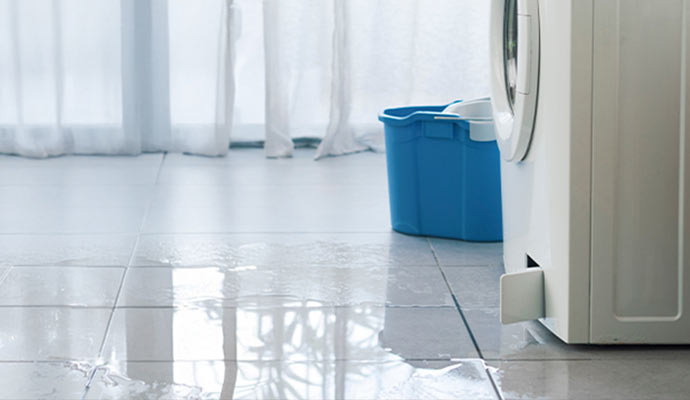
Hidden appliance leaks can quietly damage a home long before water appears on the surface. A slow drip behind a dishwasher, refrigerator, washing machine, or ice maker line may seem minor at first, but the moisture can spread beneath the flooring and settle into the subfloor. Over time, this trapped dampness can weaken materials, cause odors, and complicate repairs. A water damage restoration service helps protect subfloor materials by locating hidden moisture, drying affected areas, and reducing the chance of lasting structural damage. That support can make a significant difference in how well the home recovers after unnoticed leaks.
Protecting Floors Below
- Hidden Leaks Often Reach the Subfloor Before Homeowners Notice
Appliance leaks are often discovered late because they begin in areas that are rarely seen in everyday life. A slow line leak behind a refrigerator or a small connection problem under a washing machine can gradually let water seep into the floor, where it moves beneath surface materials and reaches the subfloor. This is what makes hidden appliance leaks so damaging. The visible flooring may still look normal while moisture continues to spread beneath it, affecting wood panels, adhesives, fasteners, and nearby framing connections. A water damage restoration service helps by detecting where moisture has traveled, rather than relying only on what appears wet on the surface. This matters because subfloor materials are not meant to stay damp for long periods. Once water remains trapped under vinyl, tile, laminate, or wood flooring, the subfloor can begin absorbing it steadily, which creates conditions that may lead to swelling, softening, staining, and long-term instability if the problem is not handled thoroughly.
- Restoration Services Help Find Moisture That Surface Cleaning Misses
One of the biggest advantages of a water damage restoration service is its ability to address issues a homeowner can’t wipe up or dry with household fans. When an appliance leak stays hidden for days or weeks, the moisture often reaches deeper layers that do not dry out on their own. Subfloor materials can retain moisture even after the appliance is repaired and the visible water is gone. That is why professional restoration matters. Technicians can inspect the affected area, measure moisture levels, and determine whether the leak has spread farther than expected beneath cabinets, under floor coverings, or along the edges of adjoining rooms. Homeowners in Chicago may face these concerns in kitchens, laundry rooms, and utility areas where appliances sit on finished flooring over wood-based subfloors. Careful restoration helps prevent the problem from remaining hidden after the source of the leak is fixed. Without that deeper review, the home may continue carrying trapped moisture in the flooring system even when everything above it appears dry again.
- Drying the Subfloor Early Helps Reduce Long-Term Material Damage
Subfloor protection depends heavily on timing. The longer moisture remains hidden beneath finished flooring, the more likely the material is to lose strength or begin to change shape. Wood-based subfloors can swell, edges may lift, and the fasteners connecting the floor system may be exposed to repeated damp conditions that weaken their hold over time. A water damage restoration service helps reduce this risk by drying the affected area as early and as completely as possible. That process may involve targeted drying methods, air movement, moisture monitoring, and the removal of sections of material if drying cannot occur effectively through the finished surface. This matters because a subfloor does more than sit under the visible flooring. It supports foot traffic, furniture weight, cabinetry, and the room’s day-to-day function. Once the subfloor begins to weaken, even minor movement can lead to squeaking, soft spots, or a less stable surface overall. Early drying gives the home a better chance of saving more material and avoiding a wider repair scope later.
- Restoration Helps Prevent Odors, Mold Concerns, and Floor Instability
Subfloor moisture does not remain a hidden issue forever. If left untreated, it can cause problems that spread beyond the area of the original leak. Damp materials beneath the floor can cause musty odors, promote mold growth in enclosed spaces, and weaken the bond between the finished floor and the supporting subfloor. A water damage restoration service helps limit these risks by addressing the moisture before those secondary problems become more serious. This can be especially important in spaces where appliances are used daily, and the area must remain safe and reliable. Kitchens, laundry rooms, and utility zones often see heavy activity, so any change in floor stability can quickly affect the room’s comfort and function. Restoration work helps confirm whether the subfloor is still sound, whether the leak affected nearby materials, and whether the floor can continue performing normally after drying and cleanup are complete. By fully addressing the moisture problem, the home is less likely to experience recurring odors or hidden deterioration beneath the surface.
A water damage restoration service helps protect subfloor materials after hidden appliance leaks by identifying trapped moisture, thoroughly drying the affected area, and reducing the risk of long-term structural damage. Appliance leaks often stay unnoticed long enough for water to reach beneath the finished floor, where damage can continue even after the visible signs seem minor. Fast and careful restoration helps preserve floor stability, limit odors, and reduce the risk of deeper moisture-related problems. Instead of treating the leak as a surface-only issue, restoration focuses on the layers below that support the room every day. That deeper protection helps the home recover more completely.