Unexpected traumatic events can create situations that require specialized cleaning, restoration, and emotional support. When a serious incident occurs in a home, workplace, or public environment, the visible damage is often only one part of the problem. Biological materials, hazardous residues, strong odors, and contamination risks may remain even after the event has ended. Proper cleaning and restoration require more than ordinary household cleaning methods because these situations involve health concerns, safety risks, and the need for careful handling.
Many people do not realize how complex the cleanup process can be after a traumatic event. Standard cleaning products and regular maintenance techniques are often not enough to remove harmful contaminants or restore the affected area properly. Specialized professionals use advanced equipment, protective procedures, and proven methods to make the environment safe again while respecting the sensitivity of the situation.
Professional restoration services play an important role in helping families, businesses, and property owners recover after difficult circumstances. These experts focus not only on removing contamination but also on restoring the affected space so it can be used safely in the future. Understanding how these services work and why they are necessary can help people make informed decisions during challenging situations.
The Importance of Specialized Cleaning Services
After a traumatic incident, the affected area may contain materials that create health risks if they are not handled correctly. Blood, bodily fluids, and other biological substances can carry harmful pathogens that require specialized cleaning procedures. Simply wiping surfaces or applying common disinfectants may not completely remove contamination.
Professional cleaning specialists are trained to identify potential hazards and follow strict safety procedures. They use protective equipment, specialized cleaning agents, and industry-approved techniques to reduce risks and restore affected areas effectively.The goal of specialized restoration is not only to make the area appear clean but also to ensure that hidden contamination is properly addressed. Porous materials, flooring, furniture, walls, and other surfaces may require detailed treatment depending on the circumstances.
Understanding the Challenges of Traumatic Event Restoration
Cleaning after a traumatic event involves unique challenges that make professional assistance necessary. One of the biggest challenges is the presence of biological hazards. These materials require careful handling because improper removal can increase health risks.
Another challenge is odor removal. Strong odors can remain even after visible materials have been removed. Professional restoration teams use specialized equipment and deodorizing techniques to address these issues at their source rather than simply covering them temporarily.
Emotional difficulty is another important factor. Families and property owners may find it overwhelming to handle cleanup after a traumatic experience. Hiring trained professionals allows them to focus on personal recovery while experienced specialists manage the restoration process.In many situations, professional crime scene cleanup services provide the knowledge, equipment, and support needed to restore the environment safely and efficiently.
The Process of Professional Restoration
The restoration process begins with a careful assessment of the affected area. Professionals evaluate the extent of contamination, identify materials that require removal or treatment, and create a plan based on safety requirements.
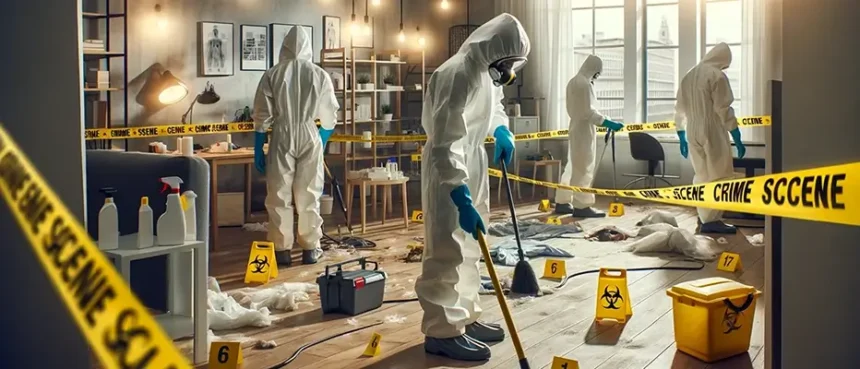
The next step involves securing the area and establishing proper safety procedures. Specialists use protective equipment and follow guidelines designed to prevent exposure to harmful materials. This preparation ensures that the cleanup process is conducted responsibly.
After safety measures are in place, professionals begin removing contaminated materials and treating affected surfaces. Depending on the situation, this may include cleaning, disinfecting, deodorizing, and restoring damaged areas.Advanced equipment such as specialized filtration systems, industrial cleaning tools, and professional-grade disinfectants may be used to achieve thorough results. The process continues until the area meets safety standards and is suitable for normal use again.
Why Professional Training Matters
Handling hazardous cleanup situations requires specific knowledge and training. Without proper education, individuals may accidentally spread contamination, expose themselves to health risks, or fail to remove harmful materials completely.
Professionals understand how different contaminants behave and know which cleaning methods are appropriate for various surfaces. Their training allows them to approach each situation carefully and efficiently.
Safety procedures are a major part of professional preparation. Specialists learn how to use protective equipment, manage waste materials, and follow appropriate disposal practices. These skills help protect both workers and property occupants.Hiring trained experts ensures that the restoration process follows established safety practices. This reduces risks and provides confidence that the affected area has been handled properly.
Health Risks Associated With Improper Cleanup
Attempting to manage hazardous cleanup without professional support can create serious health concerns. Biological contaminants may contain bacteria, viruses, or other harmful substances that can remain dangerous if not properly removed.Exposure can occur through direct contact, airborne particles, or contaminated surfaces. Without proper protection and cleaning methods, individuals may unknowingly increase their risk of illness.
Improper cleanup can also create long-term problems. Residual contamination may continue affecting indoor environments, causing unpleasant odors, health concerns, or additional damage to property.Professional restoration services are designed to address these risks by using appropriate procedures and equipment. Their approach focuses on complete removal of hazards rather than temporary surface-level cleaning.
The Role of Compassion and Sensitivity
Restoration after a traumatic event requires more than technical skills. Professionals must also approach each situation with compassion, respect, and understanding. These circumstances are often emotionally difficult for those involved, and the restoration process should be handled with care.
Experienced teams understand that every situation is unique. They communicate clearly, respect privacy, and work efficiently to reduce additional stress for affected individuals.A professional approach includes treating personal belongings and property with respect. Whenever possible, specialists work to preserve items that can be safely restored while identifying materials that require disposal.
The combination of technical expertise and compassionate service helps create a smoother recovery experience during difficult times.Specialized restoration requires equipment that is not typically available for ordinary cleaning tasks. Professional teams use advanced tools designed to remove contaminants, control odors, and improve environmental safety.Protective equipment is also essential. Gloves, protective clothing, respiratory protection, and other safety measures help reduce exposure risks during the cleaning process.
Proper waste handling is another critical component. Contaminated materials must be collected, transported, and disposed of according to appropriate procedures. Professionals understand these requirements and ensure that cleanup activities are completed responsibly.Using the correct equipment and following proper safety methods improves the effectiveness of restoration and protects everyone involved.
Situations That May Require Specialized Restoration
Different types of incidents can create the need for professional cleanup services. These may include accidents, unattended deaths, traumatic injuries, or situations involving hazardous biological materials.Each situation requires a customized approach because the level of contamination and restoration requirements can vary significantly. Professionals evaluate each case individually and develop a plan based on the specific conditions.
Businesses may also require specialized restoration services after incidents occur on commercial properties. Maintaining a safe environment is important for employees, customers, and overall operations.Regardless of the situation, professional support helps ensure that cleanup is handled safely and thoroughly.Selecting a reliable restoration provider is an important decision. Experience, training, response time, and professionalism should all be considered when evaluating available options.
A trustworthy provider should have knowledge of safety procedures, appropriate equipment, and a commitment to quality service. Clear communication is also important because clients need to understand the process and what to expect.
Certification and professional experience can provide additional confidence. Companies that follow industry standards are more likely to deliver reliable results.Choosing the right crime scene cleanup specialist helps ensure that the affected area receives proper treatment and that the restoration process is completed with care and professionalism.
Preventing Future Health and Safety Concerns
Although some traumatic events cannot be prevented, proper maintenance and safety practices can help reduce risks in other situations. Maintaining clean environments, addressing hazards quickly, and following safety procedures contribute to healthier spaces.Property owners should also understand that certain situations require professional intervention. Attempting to handle hazardous materials without appropriate training can create unnecessary risks.
Having access to reliable restoration resources provides peace of mind during emergencies. Knowing where to seek professional help allows individuals to respond more effectively when unexpected situations occur.Professional restoration services provide much more than cleaning. They offer expertise, safety, efficiency, and support during some of the most difficult circumstances people may experience.
The restoration process helps return affected spaces to safe and usable conditions while reducing health risks. Professionals handle complex procedures that require specialized knowledge and equipment.For families, businesses, and property owners, these services provide an important pathway toward recovery. The ability to rely on trained experts allows people to focus on moving forward while the physical environment is carefully restored.
Conclusion
Investing in professional restoration is an important step toward protecting health, preserving property, and rebuilding a sense of normalcy after traumatic events.Professional crime scene cleanup services offer a combination of technical skill, safety practices, and compassionate support. By choosing experienced professionals, property owners can ensure that restoration is completed responsibly, efficiently, and with respect for everyone affected.A properly restored environment provides more than physical cleanliness; it creates a safer space where recovery and rebuilding can begin.
Traumatic incidents can create challenging situations that require specialized knowledge and careful handling. Professional restoration services provide the expertise needed to safely remove contamination, manage hazards, and restore affected environments.
Understanding the importance of proper procedures, advanced equipment, and trained professionals helps people make better decisions during difficult moments. Attempting to manage hazardous cleanup without proper preparation can create additional risks and complications.