Considering a facial procedure can bring excitement, uncertainty, and conflicting advice. The internet may promise effortless transformation or portray surgery as something to fear. Reality is more nuanced: anatomy, health, expectations, recovery, and cost all matter. In Houston, as elsewhere, interest sits within a broader national trend; US surgeons reported 120,755 eyelid surgeries in 2024.
Your face is more than a feature
Your face combines movement, proportions, skin quality, bone structure, and familiar expressions. A change to the nose, eyelids, chin, or lower face can influence how those features work together.
Before-and-after photographs can help you understand a surgeon’s style, but they are not guarantees. Lighting, angles, makeup, expressions, and healing stages affect how images appear. Look for examples of people with concerns similar to yours, and ask what the photographs can—and cannot—tell you.
A sound plan considers appearance and function. Depending on the procedure, breathing, eyelid closure, sensation, scarring, and facial movement may matter as much as visual change. The goal should be a result that fits your face, not a copy of someone else’s features.
Choose expertise over online popularity
Credentials matter, but they are only the beginning. Check that a surgeon has appropriate board certification and specific training for your procedure. Ask how often they perform it, where surgery takes place, whether the facility is accredited, and who manages anesthesia and follow-up care.
If you are considering facial plastic surgery Houston has a range of providers to compare, so focus on each surgeon’s training, approach, and ability to explain the plan clearly. Review patient results and how the practice discusses limitations and risks. A polished website or large social following is not a substitute for clinical judgment.
Notice how you are treated during the consultation. You should feel comfortable asking questions and taking time to decide. Be cautious if someone pressures you to book quickly, guarantees perfection, dismisses complications, or suggests extra procedures without a clear reason.
A good consultation is tailored to you
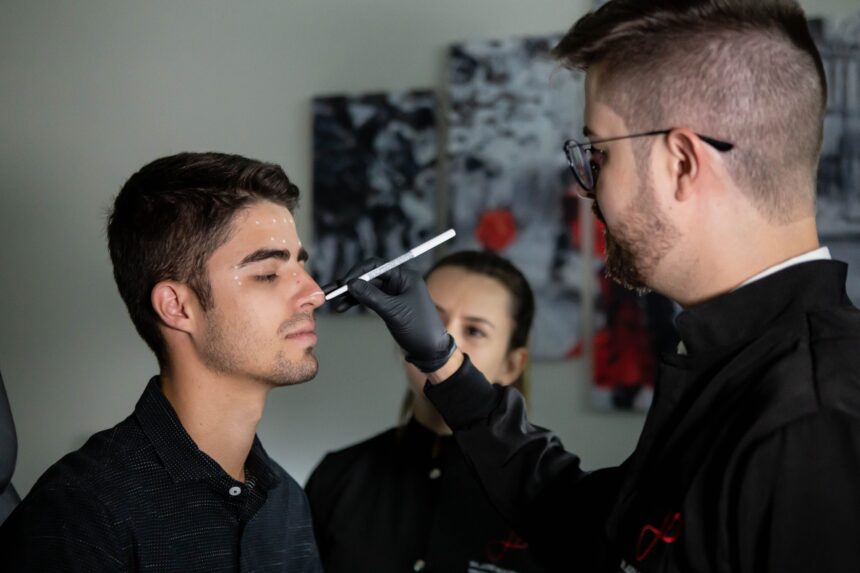
The first appointment should be a conversation, not a sales pitch. Explain what bothers you, what you hope to change, and what you want to preserve. The surgeon should review your medical history, medications, prior procedures, skin quality, facial structure, and relevant health factors before recommending an approach.
Ask why the procedure suits your concern and what alternatives might work. Tired-looking eyes, for example, can reflect skin excess, fat position, hollowing, or brow position. One operation will not address every cause, and sometimes a non-surgical option—or no treatment—is better.
A useful consultation also covers anesthesia, scars, recovery milestones, complications, and options if the result disappoints. You should leave understanding the trade-offs, not just remembering a price or promise.
Recovery deserves its own plan
People often prepare for surgery but underestimate the days and weeks afterward. Swelling, bruising, tightness, temporary numbness, disrupted sleep, and emotional ups and downs may occur. Early appearances can mislead; tissues settle gradually, and timing varies by procedure and person.
Arrange support before the operation. You may need someone to take you home, help with meals, or assist with children. Confirm when you can drive, work, exercise, wash your face, wear glasses, or return to public activities. Follow your surgeon’s instructions rather than another patient’s timeline.
Recovery can feel emotionally complicated. Temporary changes may prompt doubt even when healing is normal, which is why realistic expectations and support matter. For a broader perspective, read this Forbes article on the emotional experience of cosmetic surgery.
Natural results often depend on restraint
“Natural” means different things to different people. Usually, it describes a result that preserves your facial character, keeps expressions familiar, and avoids changes that look out of balance. Achieving that may involve doing less rather than correcting every small difference.
Facial asymmetry is normal. Trying to make both sides identical can look less authentic or create new problems. A thoughtful surgeon should explain which concerns can realistically improve and which are best left alone. Age, skin behavior, proportions, and changing tissues all influence the plan.
Online trends can blur the difference between a popular technique and the right one. This Forbes overview of plastic surgery disclosure and beauty standards explores how public images can shape expectations. Use inspiration as a starting point, not a blueprint for your face.
Treat cost as more than a quoted fee
The initial quote may not include every expense. Ask for an itemized estimate covering the surgeon, anesthesia, facility, prescriptions, follow-up appointments, and recovery supplies. Clarify what happens financially if you need additional treatment or revision.
A cheaper option is not automatically poor, and an expensive one is not automatically better. Consider whether the price reflects appropriate expertise, a safe setting, clear communication, and reliable follow-up. If the total cost would leave you unable to cover time off, transportation, or unexpected expenses, consider waiting.
Knowing when to wait is good judgment
Surgery may not be the right response to every concern. Skin care, dental treatment, injectables, lifestyle changes, or more time may be worth discussing, depending on the issue. A procedure is more likely to meet expectations when your goals are specific, stable, and yours.
Pause if you feel driven by an insult, relationship difficulty, social-media comparison, or the belief that one change will solve unrelated problems. A thoughtful clinician should be willing to recommend waiting when expectations are unrealistic or risks outweigh likely benefits.
Make the decision on your terms
Facial plastic surgery combines medicine, aesthetics, psychology, and everyday logistics. Take time to assess your motivation, ask direct questions, compare qualified professionals, and understand recovery. You do not need to decide during the first consultation.
No procedure guarantees perfection, erases every insecurity, or stops aging. But a careful decision—based on transparent information, realistic expectations, and a plan tailored to your face—can help you choose with confidence and clarity. The best next step is not necessarily booking surgery. It is understanding what the choice truly involves.