Introduction
The roof is one of the most important components of any commercial building. It protects valuable assets, employees, equipment, and interior spaces from weather conditions while contributing to the overall safety and efficiency of the property. A strong and well-maintained roof helps prevent structural problems, reduces maintenance costs, and extends the lifespan of a building. Investing in professional commercial roofing services is essential for businesses that want reliable protection and long-term performance.
Commercial roofing systems are different from residential roofing because they are designed to handle larger structures, complex layouts, heavier equipment, and unique performance requirements. Office buildings, warehouses, retail centers, industrial facilities, and other commercial properties often require specialized roofing materials and installation methods. Choosing the right roofing system and working with experienced professionals can make a significant difference in durability, energy efficiency, and overall building protection.
The Importance of Commercial Roofing
A commercial roof does much more than provide shelter from rain and sunlight. It plays a major role in protecting the entire building structure. Water leaks, damaged materials, and poor installation can lead to serious issues such as mold growth, insulation damage, electrical problems, and expensive interior repairs.
A properly installed roofing system helps businesses avoid unexpected disruptions. Roof failures can interrupt daily operations, damage inventory, and create unsafe conditions for employees and customers. Regular inspections and timely maintenance help identify potential issues before they become major problems.
Commercial roofing also affects energy efficiency. A properly designed roof can improve insulation, regulate indoor temperatures, and reduce heating and cooling expenses. Many modern roofing systems include reflective materials and energy-efficient features that help businesses manage operational costs.
Types of Commercial Roofing Systems
Commercial properties have different roofing requirements depending on building size, location, climate, and usage. Several roofing systems are commonly used because of their durability and performance.
Flat roofs are widely used on commercial buildings because they provide practical space management and easier installation for large structures. These roofs require specialized materials and drainage systems to prevent water accumulation.
Common flat roofing options include membrane systems, built-up roofing, and modified bitumen. These materials are designed to provide strong protection against weather exposure while supporting long-term performance.
Metal roofing is known for its strength, durability, and long service life. It is often used for industrial buildings, warehouses, and commercial facilities that require a strong roofing solution.Metal roofs can withstand harsh weather conditions, including heavy rain, strong winds, and extreme temperatures. They are also available with coatings that improve energy efficiency and resistance to corrosion.
Single-ply roofing systems are popular in commercial construction because they offer flexibility, durability, and relatively simple installation. These systems use lightweight membrane materials that provide protection against moisture and environmental damage.They are often selected for their resistance to weathering and ability to perform well in various climates.
Some commercial properties choose environmentally friendly roofing solutions that incorporate vegetation and sustainable materials. Green roofs can improve insulation, reduce heat absorption, and support environmental goals.Although they require careful planning and maintenance, green roofing systems can provide long-term benefits for certain commercial buildings.
Commercial Roof Installation Process
Professional installation is one of the most important factors in achieving a durable roofing system. The process begins with a detailed inspection and evaluation of the building structure. Roofing professionals assess existing conditions, identify requirements, and recommend suitable materials.
The planning stage includes selecting the appropriate roofing system, preparing materials, and developing an installation strategy. Proper preparation helps prevent future problems and ensures the roof meets performance expectations.
During installation, roofing professionals carefully install each layer according to manufacturer guidelines and industry standards. Proper sealing, drainage setup, insulation placement, and material connections are essential for preventing leaks and improving durability.After installation, a final inspection ensures that the roofing system has been completed correctly. Professional contractors check for potential issues and confirm that the roof is ready to provide reliable protection.
Benefits of Hiring Professional Commercial Roofing Contractors
Working with experienced roofing professionals provides several advantages. Commercial roofing projects require specialized knowledge, equipment, and safety procedures that are different from standard residential roofing work.
Professional contractors understand building codes, material requirements, and installation techniques necessary for successful results. Their expertise helps reduce the risk of mistakes that could lead to costly repairs.
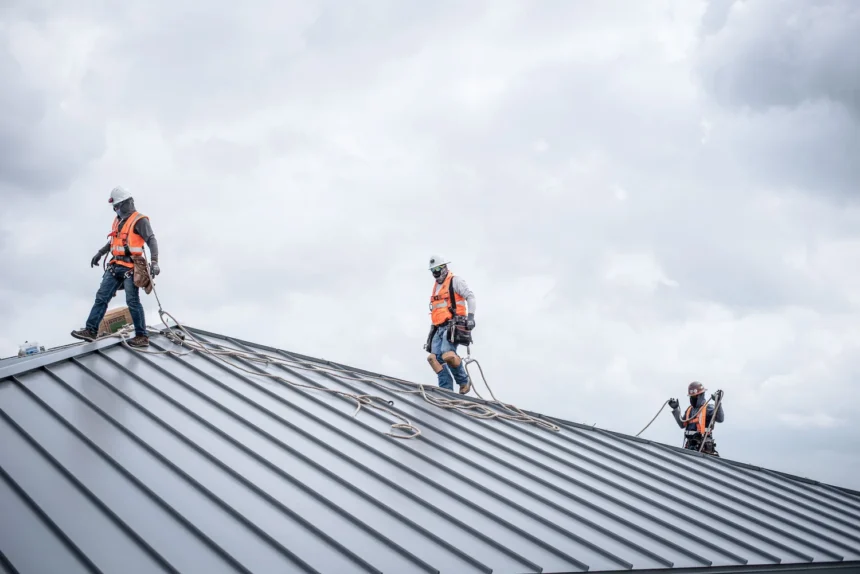
Safety is another major benefit. Commercial roofing projects often involve large structures, elevated surfaces, and complex equipment. Trained professionals follow proper safety practices to protect workers and the property.Experienced contractors also provide valuable guidance when selecting materials and planning maintenance strategies. Their recommendations can help businesses choose roofing solutions that match their budget and long-term goals.
Commercial Roof Maintenance
Regular maintenance is essential for protecting a commercial roofing investment. Even the strongest roofing systems require inspections and care to maintain their performance over time.
Routine inspections help identify early signs of damage, such as cracks, loose materials, drainage problems, or damaged seals. Addressing these issues quickly prevents them from developing into larger and more expensive repairs.
Cleaning gutters, removing debris, checking drainage systems, and monitoring roof conditions are important maintenance tasks. Proper upkeep helps extend the life of the roof and improves overall reliability.
Many businesses schedule professional inspections at least once or twice a year, as well as after severe weather events. Preventive maintenance allows property owners to address small issues before they affect building operations.Commercial roofs can experience various issues due to weather exposure, aging materials, and improper maintenance. Water leaks are among the most common problems and may result from damaged membranes, poor drainage, or deteriorated seals.Ponding water is another concern, especially for flat roofing systems. Standing water can weaken roofing materials over time and increase the risk of leaks.
Damage from storms, strong winds, and falling debris can also affect roof performance. Regular inspections help identify storm-related problems early and allow repairs before further damage occurs.Poor installation practices can create long-term issues as well. Working with qualified roofing professionals helps ensure the system is installed correctly from the beginning.
Improving Energy Efficiency with Commercial Roofing
Modern commercial roofing systems can contribute significantly to energy savings. Reflective roofing materials help reduce heat absorption by reflecting sunlight away from the building. This can lower cooling demands during warmer months.Proper insulation also plays an important role in maintaining comfortable indoor temperatures. A well-insulated roof reduces energy loss and helps heating and cooling systems operate more efficiently.
Energy-efficient roofing solutions may provide long-term financial benefits by reducing utility expenses and improving building performance. Businesses looking to improve sustainability often consider roofing upgrades as part of their overall energy strategy.Selecting the right contractor is a critical decision for any roofing project. Businesses should look for professionals with experience handling commercial properties and a strong understanding of different roofing systems.
Conclusion
A reliable contractor should provide clear communication, detailed project information, and transparent recommendations. Reviewing previous projects and understanding available services can help property owners make informed choices.
Quality workmanship, proper materials, and professional service all contribute to a successful roofing investment. Choosing an experienced contractor helps ensure the roof performs effectively for many years.
Professional commercial roofing provides essential protection, durability, and efficiency for businesses and commercial properties. A well-designed and properly maintained roofing system helps prevent costly damage, improves energy performance, and supports safe building operations.
From selecting the right roofing material to scheduling regular maintenance, every decision affects the long-term success of a commercial roof. By working with experienced professionals and investing in quality solutions, businesses can protect their properties while creating a safer and more efficient environment for everyone who uses the building.