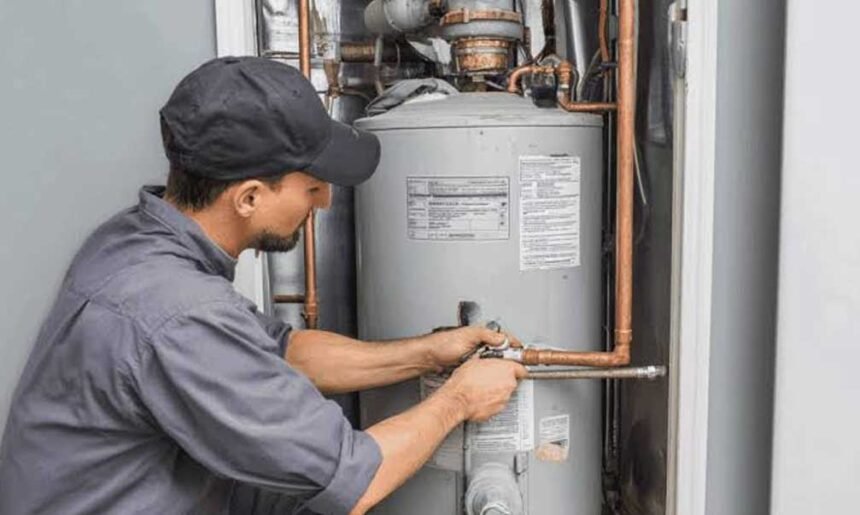
When a water heater clicks on and off far more often than expected, hot water runs out quickly, energy bills rise, and components wear prematurely. That pattern, called short-cycling, often comes with other clues: rumbling or popping sounds, lukewarm taps after a brief burst of heat, or a burner that fires at night when no one is using hot water. This guide explains what those clues mean, how to check a few safe-to-inspect items, where short-cycling differs by heater type, and how to decide between repair and replacement. You will also learn maintenance steps that reduce short-cycling, especially helpful in areas with mineral-heavy water.
-
What Short-Cycling Looks Like and Why It Matters
Short-cycling shows up as frequent burner or element activation with little draw, quick temperature swings at taps, or repeated trips of the high-limit reset on electric models. Sediment at the bottom of a tank creates hot spots that trigger shutdowns, then reheating, repeating the cycle. A failed dip tube can mix cold water near the outlet, fooling controls into reheating too often. On gas units, a compromised flue baffle or heavy scale forces longer flame time for the same result. All of these conditions waste fuel or electricity and accelerate wear on thermostats, elements, igniters, and valves.
If your tank fires overnight or you hear water movement with no fixtures open, heat loss through uninsulated piping or a recirculation loop may be driving extra cycles. In that case, adding pipe insulation, correcting a stuck check valve on a recirculation pump, or adjusting a timer can help. Homeowners who want a professional assessment sometimes compare options from providers like Abend Services near Severna Park to confirm the root cause before replacing parts.
-
Likely Causes by Water Heater Type
Gas tank heaters often short-cycle because of sediment insulating the bottom of the tank, a failing thermostat, a dirty burner, or a misaligned flame sensor. You may also see a T&P (temperature and pressure) valve weeping due to thermal expansion, which can cause more frequent reheating if the hot water cools in the discharge line. A damaged or missing flue baffle reduces heat transfer and extends burner run-time. For electric tanks, a burned-out lower element leaves only the upper element working. That causes quick bursts of hot water followed by cold, then frequent reheating. Electric thermostats can stick or misread, and the ECO (emergency cut-off) may trip when elements overheat in sediment. Heat pump water heaters behave differently; in efficiency modes, they recover more slowly, so the unit may appear to “cycle” while switching between the heat pump and backup elements.
-
Safe Checks You Can Do Without Opening the Combustion Chamber
Before any inspection, turn off power at the breaker for electric units or set a gas unit to vacation mode if you will not be drawing water. Check the thermostat setpoint on the heater and any mixing valve downstream. A mixing valve set overly low can mimic shortage by blending in too much cold. Inspect the T&P discharge pipe for dripping. If it is warm or wet, you may have unchecked thermal expansion or too high a setpoint. Tap an expansion tank gently; a tank that feels waterlogged may not be absorbing pressure swings. If you have a recirculation pump, verify the timer schedule and confirm that a check valve is present and oriented correctly. Never cap a T&P valve or ignore signs of gas odor or soot. If you smell gas, ventilate the area and contact your utility or a licensed professional right away.
To gauge sediment, briefly drain a gallon from the tank drain valve into a clear container. Cloudy water or grit indicates scale. A careful partial flush can help, but there is a trade-off on older tanks. Flushing can disturb mineral layers that were sealing small weeps at fittings, potentially revealing leaks. If your tank is already near the end of its useful life, replacing worn parts and flushing may cost more in the long run than scheduling a planned replacement.
-
Repair or Replace: Using Age, Capacity, and Code Requirements
Decisions hinge on age, condition, and performance. Many tanks carry the manufacture year in the serial number, and a unit that is well over a decade old with repeated ECO trips, frequent T&P discharge, or rust at the base is often a better candidate for replacement. Replacing a single electric element or a thermostat can be cost-effective on a newer tank with a sound liner and intact anode rod. Gas models with burner or control issues may also be repairable when the tank itself is solid. Account for code requirements. Homes with a pressure-reducing valve or backflow device typically need a properly charged expansion tank. The T&P discharge line must be unobstructed and terminate safely. Sizing matters too. A family that showers back-to-back may need a larger tank, a higher recovery rate, or a heat pump model with hybrid mode to reduce cycling and shortage.
-
Understanding Real-World Trade-Offs
Raising the tank setpoint while installing a thermostatic mixing valve can increase usable hot water without a larger tank, but it increases scale formation in mineral-heavy water and raises scald risk if the valve fails. A hot-water recirculation loop shortens wait times at distant faucets, yet can elevate standby losses and cycling if piping is uninsulated or the pump runs 24 hours. Flushing reduces sediment and cycling, though aggressively flushing a very old tank can hasten leaks at the drain valve or sediment-trapped fittings. Balance convenience and longevity by insulating hot runs, using timer controls on recirculation pumps, and keeping setpoints within manufacturer recommendations.
Maintenance That Actually Reduces Cycling
Annual or semiannual partial flushes remove sediment before it hardens into insulating layers. Exercising the T&P valve briefly confirms it is not stuck, and inspecting or replacing the anode rod extends liner life by attracting corrosion away from the steel tank. Check that heat traps or dielectric nipples are present on hot and cold ports to reduce convection losses. Insulate the first several feet of hot and cold piping to cut heat migration that triggers reheating. If showers turn cold after a few minutes on an electric unit, test the lower element for continuity and replace it if open. If a gas unit rumbles during heat-up, sediment is likely; a careful flush may quiet operation and smooth burner cycles. After any repair, monitor for 48 hours. Recurrent ECO trips, renewed T&P discharge, or unstable flame indicate deeper issues that call for a qualified technician.
Short-cycling is not a mystery when you read the signs in order. Start with symptoms, match them to likely causes by heater type, handle the safety checks, and weigh repair against replacement using age, capacity, and code constraints. Addressing sediment, setpoints, mixing valves, and expansion control often restores stable operation, and small improvements like pipe insulation or a properly scheduled recirculation pump can keep it that way. If conditions point beyond DIY, documenting the behavior you see and the steps you took will help a licensed plumber or HVAC technician move directly to a lasting fix.