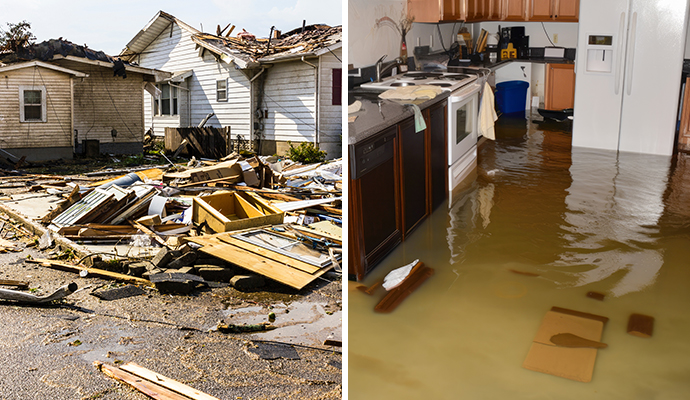
Severe weather events can cause significant damage to residential and commercial properties within a short period of time. Strong winds, heavy rain, hail, lightning, flooding, and falling debris can weaken structures, damage roofs, break windows, and create moisture-related problems. After a storm, quick action is essential to prevent further deterioration and restore the property to a safe and functional condition.
Professional storm damage restoration focuses on repairing damage caused by extreme weather while addressing hidden issues that may develop after the event. Restoration specialists evaluate the extent of the damage, remove hazardous materials, repair affected areas, and help return the property to its original condition. Understanding the restoration process, common storm-related problems, and the importance of professional assistance can help property owners respond effectively after severe weather.
Understanding Storm Damage and Its Impact
Storm damage can affect many parts of a property, including roofing systems, siding, windows, foundations, electrical components, and interior spaces. The severity of damage depends on the strength of the storm, the age of the property, building materials, and the level of preparation before the event.
High winds can remove roofing materials, damage exterior walls, and cause trees or branches to fall onto structures. Heavy rainfall can create flooding, leaks, and moisture problems that affect both visible and hidden areas of a building.
Hailstorms can leave dents, cracks, and punctures in roofing materials, siding, vehicles, and outdoor equipment. Even small hail damage can weaken protective surfaces and create future problems if not repaired.
Lightning strikes may damage electrical systems, appliances, and structural components. In some cases, fire risks can also occur when electrical systems are affected.Because storm damage is not always immediately visible, professional inspections are important. Hidden water intrusion or structural weaknesses can continue causing damage long after the storm has passed.
Common Types of Storm Damage
Storms can create many different types of property damage, and each situation requires a specific approach to restoration. Identifying the type of damage helps determine the correct repair methods.
The roof is one of the most vulnerable parts of any property during severe weather. Strong winds can loosen or remove shingles, while hail can crack roofing materials and reduce their protective ability.
Roof damage may lead to water leaks, damaged insulation, mold growth, and interior ceiling problems. Even minor roof issues should be addressed quickly because continued exposure to rain and moisture can increase repair costs.Heavy rainfall, flooding, and roof leaks can introduce large amounts of water into a property. Water damage can affect walls, floors, ceilings, furniture, and electrical systems.
If moisture is not removed quickly, it can lead to mold development and structural deterioration. Professional restoration teams use specialized equipment to extract water, dry affected areas, and prevent further complications.High winds can cause extensive exterior damage. Common problems include broken windows, damaged siding, fallen trees, and weakened structures.
Wind damage can also expose the interior of a building to additional weather conditions. Temporary protection, such as covering openings and securing damaged areas, is often necessary before permanent repairs begin.
Hail can damage roofs, gutters, siding, and outdoor structures. Because hail damage is sometimes difficult to notice from the ground, a professional inspection may be needed to identify affected areas.Repairing hail damage promptly helps prevent moisture intrusion and maintains the property’s protective systems.
Flooding can create serious problems because water may contain contaminants and can affect structural components. Restoration often requires water removal, cleaning, drying, and sanitization.Quick response is especially important with flood-related damage because prolonged moisture exposure can increase the risk of mold and structural issues.
The Storm Damage Restoration Process
The restoration process begins with a detailed assessment of the property. Professionals inspect both exterior and interior areas to determine the extent of damage and identify safety concerns.The first priority is usually emergency protection. This may involve covering damaged roofs, boarding broken windows, removing hazards, and preventing additional exposure to weather conditions.
After securing the property, restoration specialists begin removing damaged materials and addressing water-related issues. Water extraction, drying equipment, and moisture monitoring help restore affected areas and prevent secondary damage.Once the property is stabilized, repairs and rebuilding can begin. Damaged roofing, walls, flooring, siding, and other components are restored or replaced according to the needs of the property.
A complete storm damage restoration process focuses not only on visible repairs but also on restoring safety, functionality, and long-term protection.Taking immediate action after storm damage can significantly reduce the severity of problems. Delays allow water, moisture, and structural issues to become worse.
For example, a small roof leak can quickly damage insulation, drywall, flooring, and personal belongings if left untreated. Similarly, standing water can create conditions that encourage mold growth and weaken building materials.
Quick restoration also helps protect valuable belongings and reduces the overall cost of repairs. Professional teams can identify urgent issues and take steps to prevent additional damage.Prompt action provides peace of mind by helping property owners regain control after an unexpected weather event.
Benefits of Hiring Professional Restoration Specialists
Storm damage restoration involves more than simple repairs. Professionals have the training, equipment, and experience needed to handle complex damage safely and effectively.
One major benefit is accurate damage assessment. Restoration experts can identify problems that may not be obvious to property owners, including hidden moisture, structural concerns, and damaged systems.Professional equipment also improves restoration results. Industrial-grade water extraction tools, drying systems, and inspection technology allow specialists to restore properties more efficiently.
Safety is another important advantage. Storm-damaged properties may contain electrical hazards, unstable structures, broken materials, or contaminated water. Professionals follow safety procedures to reduce risks during restoration.Experienced restoration teams also help coordinate the repair process. They can manage multiple aspects of recovery, from emergency protection to final repairs, creating a smoother experience for property owners.
Preventing Future Storm Damage
While storms cannot always be avoided, proper preparation can reduce potential damage. Regular property maintenance helps strengthen vulnerable areas and improve resilience.
Roof inspections are important because damaged or aging roofing systems are more likely to fail during severe weather. Repairing loose shingles, damaged flashing, or weak areas before storms occur can provide better protection.Maintaining gutters and drainage systems helps direct water away from the property. Blocked gutters can contribute to leaks, flooding, and foundation problems.
Trimming trees and removing weak branches reduces the risk of falling debris during high winds. Outdoor items should also be secured before severe weather events to prevent them from becoming hazards.Checking windows, doors, and exterior materials regularly helps identify areas that may require reinforcement or repair.
Common Mistakes After Storm Damage
One common mistake property owners make is waiting too long before addressing damage. Even small issues can become larger and more expensive when ignored.Another mistake is attempting major repairs without professional evaluation. Storm damage may involve hidden risks that are difficult to identify without proper training.
Cleaning up without proper safety equipment can also be dangerous, especially when dealing with contaminated water, electrical hazards, or unstable structures.Some property owners focus only on visible damage while overlooking hidden problems. A damaged roof, for example, may create moisture issues inside walls and ceilings that are not immediately noticeable.
Professional assessment ensures that all affected areas are properly evaluated and restored.
Insurance coverage may help property owners manage repair costs after qualifying storm events. Understanding policy details and documenting damage properly can make the claims process easier.After a storm, taking photographs, recording damaged areas, and keeping repair information can provide valuable documentation. Restoration professionals may also assist by providing detailed assessments and repair estimates.
Property owners should communicate with their insurance providers and follow required procedures to support their claims.Working with experienced restoration specialists can help ensure that necessary repairs are identified and properly completed.
Conclusion
A properly restored property provides more than immediate repairs. It improves safety, protects structural integrity, and helps prevent future problems.Professional restoration ensures that damaged areas are repaired using appropriate materials and techniques. This helps maintain property value and reduces the likelihood of recurring issues.
Restoring a property after storm damage also helps create a healthier living environment by addressing moisture problems, mold risks, and damaged materials.Investing in quality restoration provides long-term protection and allows property owners to move forward confidently after severe weather events.
Storms can cause unexpected and serious damage to homes and businesses, but professional restoration services provide an effective path toward recovery. From roof repairs and water removal to structural restoration and preventative improvements, expert assistance helps return properties to safe and functional conditions.
Professional storm damage restoration addresses both visible and hidden damage while preventing additional problems from developing. Quick response, careful assessment, and quality repairs are essential for protecting property value and ensuring long-term durability.
By preparing for severe weather, responding quickly after damage occurs, and working with experienced restoration professionals, property owners can recover more efficiently and maintain a safer, stronger property for the future.