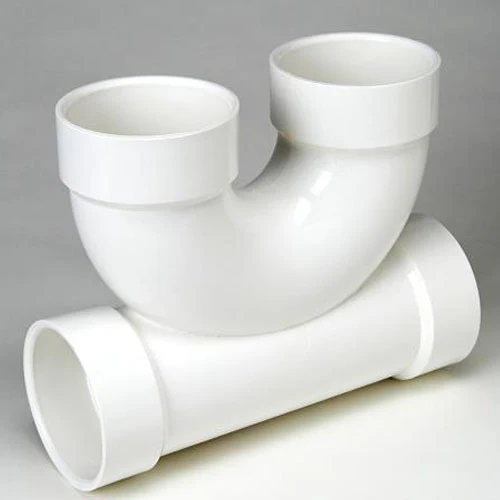
Modern plumbing systems are designed to handle large volumes of wastewater efficiently, but over time, even the best-designed systems can develop blockages, slow drainage, and structural issues inside pipes. These problems are often caused by grease buildup, soap residue, food particles, hair accumulation, mineral deposits, and invasive tree roots that gradually restrict water flow. When left untreated, these issues can lead to serious plumbing failures, costly repairs, and even property damage. One of the most effective ways to prevent such complications and ensure long-term system reliability is the proper installation and use of a two way cleanout system, which provides convenient access for inspection, maintenance, and repair from multiple directions within the drainage network.
Understanding how access points in plumbing systems improve efficiency is essential for homeowners, builders, and maintenance professionals. A well-planned drainage system not only reduces emergency repairs but also ensures smoother water flow and easier maintenance operations. In this context, the role of advanced cleanout systems becomes extremely important, especially in buildings where drainage lines run long distances or have complex layouts.
The Importance of Accessible Drainage Systems in Modern Infrastructure
A properly functioning drainage system is essential for maintaining hygiene, structural safety, and comfort in any residential or commercial property. When wastewater flows without obstruction, it prevents foul odors, contamination, and water damage. However, when blockages occur deep inside the plumbing system, identifying and removing them can become a challenging task without proper access points.This is where cleanout fittings play a crucial role. They act as entry points into the drainage system, allowing professionals to inspect and clear pipes without dismantling major plumbing components. Without these access points, even a simple blockage may require extensive labor, including digging, cutting pipes, or removing fixtures such as toilets and sinks.
Modern plumbing design emphasizes accessibility as a core principle. Instead of treating blockages after they become severe, professionals now rely on preventive maintenance strategies that depend heavily on strategically placed access points within the drainage system.
How Dual Access Systems Improve Plumbing Efficiency
Traditional cleanouts provide access in only one direction, which can limit the ability to fully clear or inspect a drainage line. In contrast, a more advanced approach involves installing a system that allows entry from two directions within the same access point. This is where a two way cleanout becomes especially valuable.
By allowing access both upstream and downstream, this system significantly improves the efficiency of maintenance work. Plumbing professionals can quickly identify the location of blockages and address them from the most effective direction. This reduces the time required for repairs and minimizes disruption to the property.
Another important advantage of dual access systems is their ability to support advanced diagnostic tools. Inspection cameras and drain cleaning equipment can be inserted from either side, allowing technicians to thoroughly evaluate the condition of the entire pipe segment without unnecessary excavation or disassembly of plumbing fixtures.
Enhancing Preventive Maintenance and System Longevity
Preventive maintenance is one of the most effective ways to extend the life of a plumbing system. Instead of waiting for a blockage or backup to occur, regular inspections and cleaning help maintain optimal flow conditions inside the pipes. When access is easy and convenient, maintenance becomes more frequent and more effective.
A two way cleanout simplifies this process by allowing quick entry into the drainage system, making routine cleaning and inspections significantly easier. This encourages property owners and maintenance teams to take a proactive approach rather than reacting to emergencies.Over time, this preventive strategy reduces the buildup of debris and minimizes the risk of severe blockages. It also helps maintain consistent water flow, reduces pressure on pipes, and prevents long-term damage such as cracks, leaks, and joint failures.
Reducing Emergency Repair Costs and Downtime
Plumbing emergencies often occur without warning and can quickly escalate into major issues if not addressed immediately. A blocked sewer line, for example, can cause wastewater to back up into sinks, bathtubs, and toilets, creating unsanitary conditions and potential property damage.
In such situations, the availability of a two way cleanout can make a significant difference in response time. Instead of searching for access points or dismantling fixtures, technicians can immediately begin clearing the blockage from the most effective direction.
This rapid response reduces labor costs and minimizes property damage. It also decreases downtime for businesses and inconvenience for homeowners. In many cases, quick access allows professionals to resolve the issue before it spreads further into the system or causes secondary damage.The plumbing industry has evolved significantly with the introduction of modern diagnostic tools such as high-definition drain cameras and hydro-jetting equipment. These tools allow professionals to identify and remove blockages with precision, reducing guesswork and unnecessary excavation.
However, the effectiveness of this technology depends heavily on accessibility. A properly installed access point ensures that equipment can be inserted deep into the system without obstruction. A two way cleanout enhances this capability by providing flexible entry options, allowing technicians to approach problem areas from multiple directions.This flexibility improves the accuracy of inspections and ensures that even hidden or complex issues, such as root intrusion or pipe corrosion, can be identified early. As a result, repair strategies become more targeted, efficient, and cost-effective.
Improving Long-Term Cost Efficiency and Property Value
One of the most overlooked advantages of proper plumbing access design is its impact on long-term financial savings. While installation may require an initial investment, the reduction in maintenance and repair costs over time makes it highly cost-effective.When plumbing systems are easy to access, technicians spend less time diagnosing and resolving issues. This directly reduces labor charges and minimizes the need for extensive excavation or fixture removal. Additionally, early detection of small issues prevents them from turning into major repairs that require expensive replacements.
A two way cleanout contributes significantly to this cost efficiency by simplifying maintenance procedures and reducing system downtime. Over the lifespan of a property, these savings can become substantial, making it a smart investment for both residential and commercial buildings.Large buildings, multi-story structures, and commercial facilities often have complex plumbing networks with long drainage lines and multiple connection points. In such systems, identifying the exact location of a blockage can be difficult without proper access.Dual-direction access systems provide greater flexibility in navigating these complex networks. By allowing entry from both sides, technicians can isolate problem areas more effectively and perform targeted repairs without disrupting the entire system.
Conclusion
A two way cleanout plays a key role in simplifying these complex maintenance tasks. It ensures that even in large-scale plumbing systems, access remains straightforward and efficient, reducing both downtime and repair complexity.Efficient drainage management is essential for maintaining the health, safety, and functionality of any property. While blockages and pipe issues are inevitable over time, their impact can be significantly reduced through proper system design and maintenance planning. Installing accessible cleanout points, especially advanced dual-direction systems, provides long-term benefits in terms of efficiency, cost savings, and system reliability.
A well-designed plumbing network not only ensures smooth wastewater flow but also simplifies maintenance, supports modern diagnostic tools, and reduces emergency repair risks. By incorporating smart access solutions such as a two way cleanout, property owners and maintenance professionals can ensure that drainage systems remain functional, efficient, and durable for years to come.