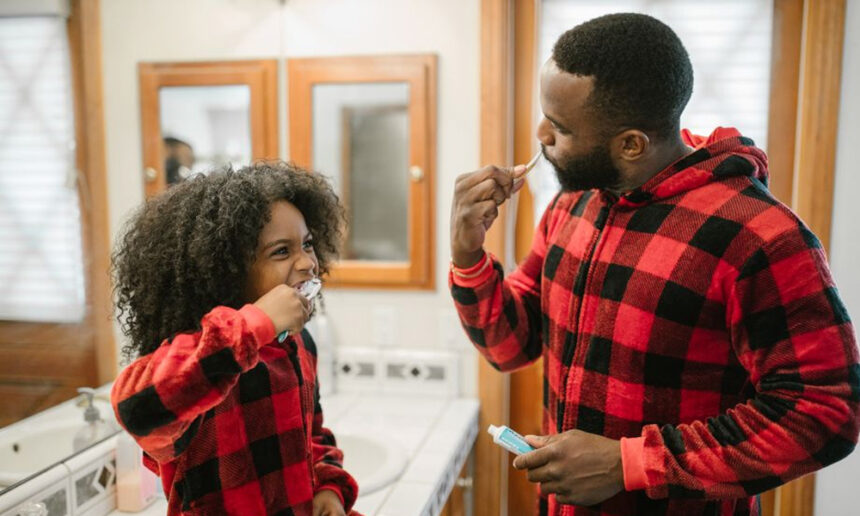
Your smile deals with a lot every day. It handles hot coffee, crunchy snacks, rushed mornings, and those moments when you swear you’ll floss tomorrow. The good news is that keeping your teeth in decent shape usually comes down to simple habits, not fancy tricks. If you live in Thornton, it also helps to know when home care is enough and when it’s smart to get professional help. A few small changes can go a long way toward keeping your mouth happier.
Why Daily Care Matters
Your mouth is a busy place, and plaque starts building up faster than most people realize. That sticky film can lead to cavities, gum irritation, and breath that could scare off a sandwich. Daily care matters because it keeps small problems from turning into expensive, painful ones.
Brushing and flossing are not glamorous, but they do a lot of heavy lifting. They remove food bits, lower bacteria, and help your gums stay calm instead of puffy and angry. If something feels off, getting help early is usually the smarter move. If you’re looking for a dentist in Thornton, you’ll find professionals who can help with cleanings, exams, and common dental concerns before they snowball.
Think of it like basic home maintenance. You don’t wait for the roof to cave in before paying attention. Your teeth deserve the same kind of common sense.
Brush Better Not Harder
A lot of people brush like they’re trying to remove graffiti from a brick wall. That sounds productive, but it can actually wear down enamel and irritate your gums. Gentle brushing works better than aggressive scrubbing every time.
Use a soft-bristled toothbrush and brush for two full minutes. That can feel longer than expected, so a timer helps. Angle the brush toward your gumline and use small circles instead of sawing back and forth like you’re cutting wood. Electric toothbrushes can be great if you tend to rush or press too hard.
A few common mistakes can undo your effort:
- Brushing too fast
- Using a worn-out toothbrush
- Forgetting the back teeth
- Skipping your tongue
Your tongue holds bacteria too, so give it a quick brush. Also, wait a bit after drinking soda or orange juice before brushing. Acid softens enamel for a short time, and brushing right away can be rough on your teeth.
Flossing Without The Drama
Flossing has a terrible reputation, mostly because people think it has to be awkward and annoying forever. It doesn’t. Once you get used to it, it becomes one of those small habits you barely think about, like locking your front door.
Your toothbrush can’t clean well between teeth, and that’s where food and plaque love to hide. Floss reaches those tight spots and helps protect your gums from inflammation. If your gums bleed a little when you start flossing, that does not always mean you should stop. It often means your gums are irritated and need more consistent care.
Try making it easier on yourself:
- Keep floss where you’ll see it
- Floss before brushing at night
- Use floss picks if regular floss feels clumsy
- Start with a few teeth and build the habit
Be gentle. Slide the floss between your teeth, curve it around each tooth, and move it up and down. No snapping. Your gums are not guitar strings.
Foods That Help Teeth
What you eat shows up in your mouth pretty quickly. Some foods help your teeth, while others act like tiny troublemakers. You don’t need a perfect diet, but making smarter choices more often can really help.
Crunchy fruits and vegetables like apples, carrots, and celery are great because they stimulate saliva and help clear away bits of food. Dairy foods can also support teeth because they contain calcium and phosphorus. Water is the quiet hero here. It rinses your mouth, keeps it from getting too dry, and usually beats sugary drinks by a mile.
The trickier stuff includes soda, sticky candy, sports drinks, and constant snacking. Sugar feeds bacteria, and acid weakens enamel. That combo is basically the villain origin story for cavities.
A few tooth-friendly swaps include:
- Water instead of soda
- Cheese instead of candy
- Nuts instead of chips
- Sugar-free gum after meals
You don’t have to give up treats forever. Just try not to let them camp out in your mouth all day.
Signs You Shouldn’t Ignore
Your teeth and gums usually give warnings before a small issue becomes a major headache. The problem is that many people ignore those clues until chewing feels like a risky sport.
Pay attention if you notice tooth sensitivity that keeps happening, especially with hot, cold, or sweet foods. Bleeding gums, ongoing bad breath, mouth sores that don’t heal, and pain when biting are also worth taking seriously. Even mild discomfort can point to something that’s easier to fix now than later.
A few signs deserve a dental visit sooner rather than later:
- Sharp or throbbing tooth pain
- Swollen or tender gums
- A chipped or cracked tooth
- Loose teeth
- Jaw pain or clicking
You don’t need to panic over every twinge, but don’t shrug off symptoms that stick around. Your body is pretty good at waving a little flag when something needs attention. It’s smart to notice before that flag turns into a marching band.
Making Checkups Less Stressful
A lot of people put off checkups because they expect discomfort, bad news, or a lecture about flossing. Fair enough. Still, dental visits are usually much easier when you go in for prevention instead of waiting until something hurts.
One simple trick is to book appointments at a time when you’re less rushed. If mornings make you grumpy and chaotic, choose an afternoon slot. Bring a short list of questions if you’ve noticed sensitivity, jaw tension, or changes in your gums. That way, you won’t forget once you sit down.
It also helps to be honest about anxiety. Dental teams hear that all the time, and many are good at helping nervous patients feel more comfortable. You can ask for explanations before procedures, short breaks during treatment, or tips for home care that fit your routine.
The goal is not perfection. It’s progress. A steady routine plus regular checkups can save you time, money, and a whole lot of avoidable tooth drama later.