Heat waves place tremendous strain on home cooling systems, often exposing hidden issues that remain unnoticed during milder weather. As outdoor temperatures climb for several days in a row, air conditioners work much longer to maintain comfortable indoor conditions, increasing wear on mechanical and electrical components. Homeowners who understand how prolonged heat affects their cooling equipment are often better prepared to recognize early warning signs before they become larger concerns. Knowing what influences system performance, what habits reduce unnecessary strain, and when to seek professional assistance can help extend equipment life while maintaining indoor comfort. A little awareness before and during periods of extreme heat can prevent avoidable interruptions when dependable cooling matters most.
Staying Prepared for Extreme Temperatures
-
Understanding Increased System Demands
During a heat wave, an air conditioner rarely receives the opportunity to rest between cooling cycles. Instead of switching on and off throughout the day, it may operate almost continuously to maintain stable indoor temperatures. This extended runtime naturally increases stress on moving parts such as the compressor, blower motor, fan assemblies, and electrical connections. Components that have slowly deteriorated over months may suddenly show signs of failure due to a dramatically increased workload. Homeowners sometimes assume continuous operation automatically indicates a malfunction, but during extremely high outdoor temperatures, longer operating cycles are often expected.
The concern arises when the system struggles to reduce indoor temperatures despite running for extended periods, produces unusual sounds, releases warm air through the vents, or frequently shuts off. Understanding these differences helps homeowners avoid unnecessary panic while recognizing genuine warning signs. Regular observation of cooling performance during periods of high demand provides valuable clues about the overall health of the equipment before complete failure occurs.
-
Small Issues Become Bigger Problems
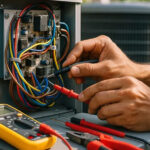
Many cooling systems continue to function despite worn components, dirty coils, restricted airflow, or aging electrical components. These relatively minor concerns may remain unnoticed during moderate weather because the equipment does not need to operate at maximum capacity. A prolonged heat wave quickly changes those conditions, forcing every component to work harder than usual. A clogged filter may reduce airflow enough to cause the evaporator coils to freeze, while a weakened capacitor may struggle to start the compressor after repeated cooling cycles.
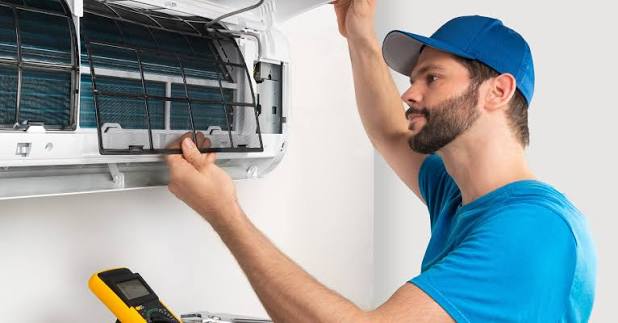
Loose electrical connections may get hotter during continuous operation, increasing stress on sensitive parts. Scheduling an Air conditioning repair service when early warning signs first appear can reduce the chance of more extensive damage during prolonged periods of extreme temperatures. Homeowners who respond promptly to unusual behavior often avoid longer periods without cooling while waiting for replacement parts or more complicated repairs that develop after smaller issues are ignored.
-
Airflow Plays a Larger Role Than Many Expect
One of the most overlooked factors affecting cooling performance during heat waves is unrestricted airflow throughout the entire system. Air conditioners depend on consistent movement of indoor and outdoor air to remove heat efficiently. Dirty return filters, blocked supply vents, closed interior doors, crowded furniture, and accumulated debris around the outdoor condenser all reduce airflow, forcing equipment to operate longer than necessary. When airflow becomes restricted, heat exchange becomes less effective, increasing internal operating temperatures and reducing cooling efficiency.
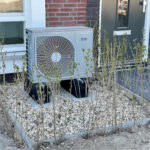
Even a relatively small obstruction around the outdoor unit can trap hot air near the condenser, limiting its ability to release heat collected from inside the home. Homeowners should routinely inspect the surrounding landscaping, remove leaves and grass clippings, and maintain a clear space of several feet around outdoor equipment. Inside the house, replacing air filters according to the manufacturer’s recommendations and keeping vents open allow conditioned air to circulate properly. These simple habits reduce unnecessary stress during periods when cooling systems already face heavy workloads.
-
Indoor Habits Influence Cooling Performance
The condition of an air conditioner is only part of maintaining comfort during a heat wave. Daily household activities also affect how hard the cooling system must work. Frequent opening of exterior doors allows hot outdoor air to enter, while cooking in the oven during the hottest part of the day introduces additional indoor heat that the air conditioner must remove. Large west-facing windows without curtains or blinds allow significant solar heat gain throughout the afternoon, further increasing cooling demand. Running clothes dryers, dishwashers, and other heat-producing appliances during cooler morning or evening hours can reduce indoor temperature buildup.
Ceiling fans also help improve air circulation, allowing occupants to feel comfortable even when thermostat settings remain slightly higher. These adjustments do not eliminate the need for cooling, but they reduce unnecessary strain on equipment already working continuously. Consistent indoor habits help maintain stable temperatures while lowering overall system workload during extended periods of intense summer heat.
-
Recognizing Warning Signs Before Failure
Air conditioners rarely stop working without providing some indication that problems are developing. Homeowners who pay attention to changing system behavior often recognize issues before complete breakdowns occur. Reduced airflow from supply vents, inconsistent room temperatures, unusual vibrations, rattling noises, buzzing sounds, or repeated cycling on and off may all indicate developing concerns. Moisture around indoor equipment, unexplained increases in utility bills, or unpleasant odors during operation also deserve attention. During a heat wave, these warning signs should not be ignored because continued operation under heavy demand may accelerate equipment deterioration.
Waiting until cooling stops entirely often leads to longer repair times, particularly when service providers experience increased demand during widespread hot weather. Monitoring thermostat performance, listening for changes in operating sounds, and occasionally checking the outdoor unit while it runs help homeowners identify irregularities early enough to address them before comfort is completely lost.
-
Maintaining Comfort Through Preparation
Heat waves challenge every residential cooling system by increasing operating hours, placing greater stress on components, and exposing maintenance issues that may have developed gradually over time. Homeowners who understand these seasonal demands are better equipped to recognize early warning signs, support proper airflow, and adopt household habits that reduce unnecessary strain on their equipment. Paying attention to unusual sounds, changing performance, rising energy consumption, and inconsistent indoor temperatures allows problems to be addressed before they become larger repairs.
Routine maintenance combined with thoughtful daily practices helps cooling systems perform more consistently during prolonged periods of extreme weather. While no air conditioner is immune to the effects of intense summer heat, preparation, observation, and timely action can help maintain reliable indoor comfort when high temperatures place increased demand on every part of the system.