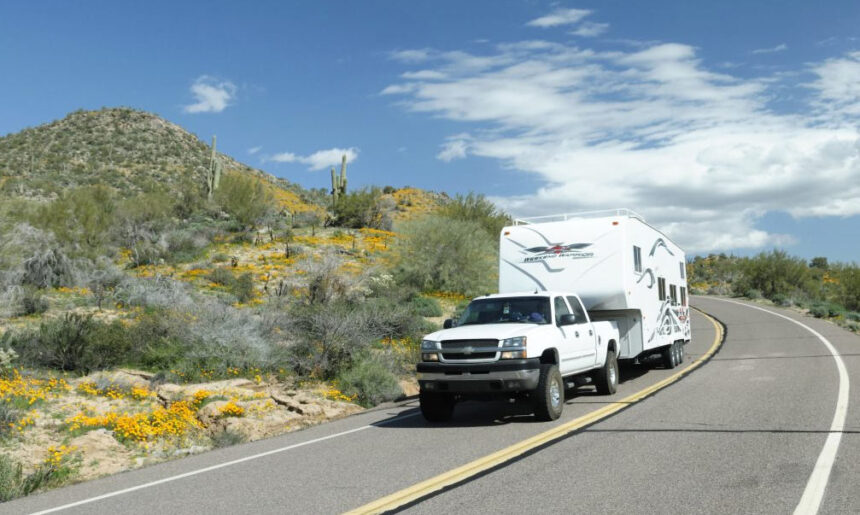
If you are shopping for a pickup and plan to tow, the axle ratio is one spec that has an outsized impact on how the truck actually drives. Those numbers on the window sticker, like 3.31, 3.55, 3.73, or 4.10, determine how the ring and pinion in the rear differential multiplies torque and where your engine spins at highway speed. Pick too tall a ratio and a trailer can make the truck feel sluggish. Pick too short a ratio, and you may sacrifice fuel economy and endure higher RPM on long interstate runs. Here is a practical way to match an axle ratio to your trailer, routes, and everyday driving.
-
What an Axle Ratio Really Does in a Pickup
The axle ratio is the final drive gear reduction between the driveshaft and the wheels. A higher numeric ratio, such as 3.73 or 4.10, multiplies engine torque more, which helps with launches, hill starts, and keeping speed on grades with a trailer. The trade-off is higher engine RPM at a given road speed. A lower numeric ratio, like 3.31, drops cruising RPM but provides less leverage on heavy loads. Modern 8- and 10-speed automatics widen the usable range with short first gears and closely spaced overdrives, but the axle ratio still sets the baseline for acceleration feel, downshift frequency, and transmission heat when you are pulling weight.
If you are unsure what ratio a specific truck has, check the axle code on the driver door jamb, the window sticker’s axle line, or a factory build sheet. A knowledgeable product specialist at Gregg Young Ford of Newton near Newton can also help decode that information so you know exactly what rear differential and final drive you are comparing during a test drive.
-
Towing vs Fuel Economy: The Tradeoff in Plain Terms
Shorter gearing, with a higher number, lets the engine stay in the meat of its torque curve when merging, climbing, or passing with a trailer. The truck resists gear hunting because each upshift still leaves enough torque at the wheels to hold speed. That ability reduces stress, limits transmission slip, and can keep temperatures in check on long grades. The flip side is that at 60 to 70 mph, the engine typically runs at a higher rpm in top gear, which you will hear in the cabin and see at the pump on long, empty-bed commutes.
Taller gearing, with a lower number, shines when you cruise unladen on flat highways. RPMs drop in top overdrive, and the cabin stays quieter. Add a high-drag travel trailer or a headwind, though, and you will likely see more frequent downshifts, more time in Tow/Haul, and wider throttle openings to maintain speed. That extra work can negate the MPG advantage on towing days and make the truck feel less settled on rolling hills.
-
Real World Scenarios: Boats, Campers, and Work Trailers
Weekend boater with a moderate fiberglass rig: Launch ramps can be slick with algae, and a fully loaded boat and trailer can push a half ton near its comfort zone on ramps and river bluffs. A mid-to-short axle ratio, paired with a limited-slip or locking differential, gives you confident starts on wet concrete and steadier RPM on two-lane climbs. It will cost some fuel on the highway ride back, but the low-speed control and grade performance are worth it for many boat owners.
Travel trailer across open interstate: A boxy camper adds frontal area and catches crosswinds even when its weight looks manageable on paper. Here, shorter gearing helps the engine hold overdrive without constant hunting when a gust hits on I-80, and Tow/Haul can maintain engine braking on long descents. If you mostly camp close to home and stick to county roads, a midrange ratio can be a comfortable compromise. If you crisscross windy states with a tall trailer, a higher numeric axle often feels calmer behind the wheel.
-
The Hidden Variables: Tire Diameter, Transmission Gears, and Differential Type
Tire size quietly changes how any axle ratio behaves. Upsizing to a taller tire effectively makes the gearing taller because each revolution covers more ground. That can dull launches and increase gear hunting when towing. If you plan to run larger all-terrain tires, factor that into your axle decision, or be ready to recalibrate and potentially change the gearing. Heavier wheels also increase rotational mass, which you will feel when pulling away from a stop with a load.
Transmission and differential hardware matter, too. A modern 10-speed with a very low first gear can help a 3.55 feel punchier off the line than you expect, while deep overdrives can keep RPM reasonable even with a 3.73. A locking rear differential or a properly tuned limited-slip adds traction when backing a camper onto wet grass or pulling a utility trailer up a gravel drive. Four Wheel Drive and low range help with slow, controlled maneuvers on uneven ground, but they don’t change highway cruise RPM.
Test Drive and Spec Check: How to Confirm the Right Setup
Bring your use case to the test drive. If you cannot tow a trailer during the demo, simulate the demand: take a route with a long on-ramp, a steep overpass, and a steady 65 mph section. Watch the tachometer and note how quickly the truck reaches 6th, 8th, or 10th, then see if it holds top gear with light throttle or immediately downshifts on small hills. Try Tow/Haul to feel how shift timing and engine braking change. A ratio that feels composed unladen on that route will usually feel better when the trailer is hooked up.
Before you sign, verify the exact axle code, tire size, and differential type on the truck you are considering. Compare that to the manufacturer’s published towing guide and your trailer’s actual loaded weight. If you plan to add a weight distribution hitch, extended towing mirrors, or an integrated trailer brake controller, confirm compatibility and wiring. Ask the service department about severe-use maintenance intervals for towing, including differential and transmission fluid changes, so your setup stays healthy after those first few long hauls.
A well-matched axle ratio isn’t about chasing a number. It is about how the engine, transmission, tires, and rear differential behave together on your routes with your trailer. If most of your miles are solo highway commutes, a lower numeric ratio makes sense. If you regularly pull through hills, wind, or soft surfaces, a higher numeric ratio and the right traction hardware can make the truck feel confident and predictable. Take the time to test, verify specs, and plan supporting gear like hitches and brake controllers. Getting this choice right pays off every mile you tow.