There’s a moment every homeowner eventually faces—a tree on their property that’s no longer thriving, or one that’s grown too close to the house, the fence, or the power lines. It looks manageable at first. But tree removal is one of those tasks where the gap between “looks simple” and “actually simple” can be dangerously wide.
That’s exactly where professional tree removal services step in to make a real difference.
What Makes Tree Removal So Complicated?
Trees don’t fall in predictable ways. Even experienced homeowners who’ve handled a chainsaw before can be caught off guard by how a large tree responds when it’s cut. Factors like root depth, internal rot, lean direction, surrounding structures, and wind conditions all play a role in how a removal unfolds.
A tree that appears stable on the outside may have suffered significant internal decay. One that seems to lean away from your home may shift unexpectedly during the cutting process. These are the kinds of variables that trained professionals assess before a single cut is made—because the cost of getting it wrong is far greater than the cost of getting it right.
The Real Risks of Handling It Yourself
DIY tree removal injuries are more common than most people expect. Falling branches, kickback from chainsaws, and unstable footing on ladders are among the leading causes of serious accidents during home maintenance projects. Beyond physical injury, there’s also the risk of property damage—a tree that falls the wrong way can take out a roof, a vehicle, a fence, or a neighbor’s yard.
There’s also the matter of cleanup. Removing a mature tree generates an enormous volume of debris: branches, bark, trunk sections, and a stump that doesn’t just disappear on its own. Without the right equipment, that cleanup can stretch across days and still leave behind a mess.
Professional tree removal handles all of it—efficiently, safely, and with the kind of precision that only comes from doing this work day after day.
How the Process Actually Works
Professional tree removal follows a clear sequence designed to minimize risk at every stage.
Assessment and Planning
Before any equipment is set up, a certified arborist or removal specialist evaluates the tree. This includes checking for structural weakness, identifying nearby hazards, and determining the safest cutting approach. This step alone dramatically reduces the chance of something going wrong.
Controlled Removal
Depending on the tree’s size and location, removal may involve sectional cutting—taking the tree down in manageable pieces from the top down—or a full fell if there’s enough clear space. Either way, the goal is control. Every cut is deliberate, and every piece of the tree is guided, not left to chance.
Stump Grinding and Site Cleanup
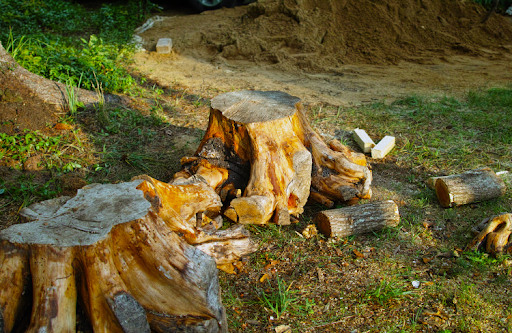
Once the tree is down, the work continues. Stumps left in the ground become tripping hazards, attract pests, and can disrupt the surrounding lawn and garden. Stump grinding eliminates the problem, leaving the area clean and ready for whatever comes next—whether that’s replanting, laying turf, or expanding a garden bed.
When Is Tree Removal Actually Necessary?
Not every struggling tree needs to come down. But several situations make removal the right call:
- Dead or dying trees: A dead tree has no structural integrity. Wind, storms, or even heavy rain can bring it down unpredictably.
- Disease spread: Some tree diseases are aggressive and can spread to neighboring trees quickly. Removal stops that progression.
- Root interference: Tree roots can damage foundations, underground pipes, and driveways over time. Removing the tree prevents further structural damage.
- Overcrowding: Too many trees competing for the same soil and light can weaken them all. Strategic removal gives the healthiest trees room to flourish.
- Storm damage: A tree that’s been partially uprooted or has lost major limbs in a storm is unpredictable and potentially dangerous.
What Sets a Reliable Tree Removal Service Apart?
The difference between a good tree removal experience and a frustrating one usually comes down to a few key things: proper licensing and insurance, transparent pricing, and the right equipment for the job.
A legitimate tree removal company carries liability insurance and workers’ compensation. That protects you if anything goes wrong on your property. They also arrive with the correct tools—not a borrowed chainsaw and a pickup truck, but commercial-grade equipment designed for the scale of the job.
Communication matters too. A trustworthy service will walk you through the process, set realistic expectations about timing and cleanup, and answer your questions without rushing you. That’s the standard every homeowner deserves.
Giving Your Property the Care It Deserves
Trees add real value to a property. They provide shade, curb appeal, privacy, and character. Keeping them healthy—and knowing when removal is the right decision—is part of responsible property ownership.
BW Tree Removal connects homeowners across the region with certified, fully insured tree removal professionals who bring the right expertise and equipment to every job, ensuring your property is left safer, cleaner, and better than before the work began.
Don’t wait for a dead tree to become a downed tree. The right time to act is before a problem becomes an emergency—and the right team makes all the difference.