A properly functioning drainage system is essential for maintaining a clean, comfortable, and healthy property. Every time a sink, shower, toilet, washing machine, or dishwasher is used, wastewater must travel safely through a network of drains before reaching the main sewer system. When this network operates correctly, wastewater leaves the building without unpleasant odors, backups, slow drains, or other noticeable problems. However, blockages, damaged pipes, tree root intrusion, corrosion, ground movement, and general deterioration can interfere with normal drainage. Understanding the early warning signs of drainage problems can help property owners respond before a minor issue becomes a major plumbing emergency. Regular inspections and appropriate maintenance can also extend the service life of underground pipes and reduce the likelihood of expensive repairs.
What Is a Sewer Line?
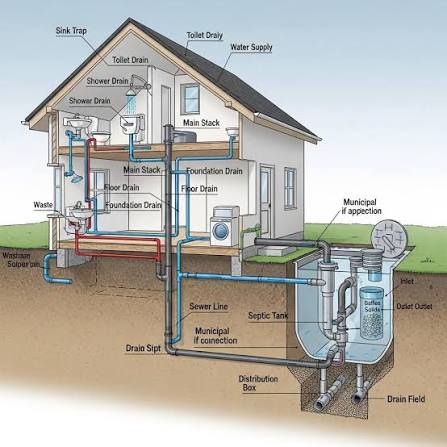
A sewer line is an underground pipe responsible for carrying wastewater away from a building and toward the appropriate treatment or collection system. Unlike smaller drain pipes connected to individual fixtures, the main sewer connection handles wastewater from multiple parts of the property. Because this pipe is often buried beneath floors, yards, driveways, or other surfaces, problems can remain hidden until noticeable symptoms develop. Wastewater must be able to move through the pipe continuously, and any restriction can interfere with drainage throughout the property. The condition, material, age, slope, and installation of the pipe can all influence its performance. Understanding its purpose makes it easier to recognize why backups and drainage problems should not be ignored.
Why Sewer Problems Develop
Drainage problems can occur for many different reasons, and not every issue is caused by something being flushed or poured down a drain. Grease, food particles, hair, paper products, and other materials can gradually accumulate and create restrictions. Tree roots may also enter underground pipes through small cracks or loose joints, eventually creating a significant blockage. Older pipes can deteriorate because of corrosion, shifting soil, repeated stress, or general aging. In some cases, poor installation or an incorrect slope can prevent wastewater from flowing efficiently. Identifying the specific cause is important because different problems require different repair methods. Simply clearing a blockage may provide temporary relief if the underlying pipe has structural damage.
Slow Drains Throughout the Property
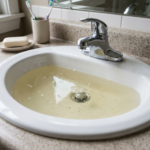
One of the earliest warning signs of a drainage problem is a gradual slowdown in several fixtures. A single slow sink may have a localized blockage in its trap or branch drain, but multiple slow fixtures can indicate a problem farther downstream. Homeowners may notice that showers take longer to drain, sinks begin holding water, or toilets empty more slowly than usual. When several drains start behaving differently around the same time, the main drainage network should be considered as a possible source. Ignoring these early symptoms can allow a partial restriction to become a complete blockage. Addressing the issue while wastewater is still moving can often provide more repair options and reduce the risk of an emergency backup.
Frequent Drain Clogs
Occasional clogs can happen in almost any plumbing system, but repeated blockages deserve closer attention. If a toilet, sink, or shower keeps becoming clogged shortly after it has been cleared, the problem may extend beyond the individual fixture. Repeated clogs can indicate accumulated debris, root intrusion, pipe damage, or a restriction within a shared drainage line. Chemical drain cleaners may provide temporary results in some situations, but they do not necessarily remove the underlying cause. Frequent use of harsh chemicals can also damage certain pipe materials and create safety concerns. A professional inspection can determine why blockages continue to return and whether the problem requires cleaning, repair, or replacement.
Unpleasant Odors
Persistent sewage odors are another important warning sign that should not be overlooked. A properly functioning drainage system should contain wastewater and associated gases within the appropriate pipes and traps. When unpleasant odors appear around drains, bathrooms, utility areas, or outdoor access points, there may be a blockage, damaged pipe, dry trap, broken seal, or ventilation problem. The location and intensity of the smell can provide useful clues, but identifying the exact source may require professional testing. Ignoring persistent odors can allow a developing plumbing problem to become more serious. Investigating unusual smells early can help protect indoor air quality and prevent wastewater-related issues.
Water Backups
A wastewater backup is one of the clearest signs of a serious drainage problem. When water or wastewater begins returning through a sink, shower, floor drain, or toilet, the drainage system may have a significant restriction. Backups can happen when wastewater cannot move through the main pipe quickly enough, causing it to seek another route. This situation should be treated seriously because contaminated water can damage flooring, walls, furniture, and other materials. It can also create sanitation concerns if sewage enters living spaces. If multiple fixtures begin backing up at the same time, professional assistance should be considered promptly rather than repeatedly attempting to clear individual drains.
Gurgling Sounds From Drains
Unusual gurgling sounds can provide an early indication that wastewater and air are not moving normally through the drainage system. A drain may gurgle when another fixture is used because a partial blockage is affecting the movement of water and air. These sounds may also be related to ventilation problems or other plumbing conditions, so they should not automatically be attributed to a single cause. When gurgling occurs alongside slow drains, unpleasant odors, or recurring clogs, the possibility of a larger drainage restriction becomes more significant. Paying attention to these sounds can help property owners recognize problems before a complete blockage or backup occurs.
Tree Root Intrusion
Tree roots are a common cause of underground pipe problems because roots naturally seek moisture and nutrients. Small cracks, loose joints, or damaged sections can provide an entry point into buried pipes. Once inside, roots can continue growing and create a dense mass that restricts wastewater movement. They may also contribute to additional structural damage as the intrusion becomes larger. Mechanical cleaning or specialized equipment may sometimes remove the roots temporarily, but recurring intrusion may require a more permanent repair. A camera inspection can help determine how extensive the root problem is and whether the pipe itself has been damaged.
Cracked or Collapsed Pipes
Underground pipes can develop cracks, breaks, or collapsed sections because of age, soil movement, corrosion, installation problems, or external pressure. A damaged pipe may initially produce only minor drainage symptoms, but the problem can become progressively worse as wastewater escapes or soil enters the damaged area. In severe cases, a collapsed section can completely prevent wastewater from passing through. Signs may include repeated backups, unusually wet areas above buried pipes, sinkholes, persistent odors, or unexplained drainage problems. Professional inspection is often necessary because underground damage cannot always be identified from the surface. Repairing structural damage early may prevent more extensive excavation and restoration work later.
How Professional Inspections Work
Modern plumbing professionals can use specialized inspection equipment to investigate underground drainage problems without immediately excavating the entire area. A small waterproof camera can be inserted into an accessible cleanout or drain opening and guided through the pipe. The camera provides a visual view of the interior, allowing technicians to identify blockages, root intrusion, cracks, separated joints, corrosion, and other abnormalities. This information can help determine the location and severity of the problem. Camera inspection can also reduce unnecessary digging because repairs can be planned based on actual findings. A detailed inspection is especially useful when symptoms keep returning after conventional drain cleaning.
Cleaning a Blocked Sewer Line
Professional drain cleaning can remove many types of accumulated debris and restore wastewater movement when the underlying pipe remains structurally sound. Specialized equipment can break through blockages and clear buildup from the inside of the pipe. The appropriate cleaning method depends on the type and severity of the obstruction. Mechanical equipment may be effective for dense blockages, while high-pressure water cleaning can remove certain deposits from pipe walls. However, cleaning is not always a permanent solution. If roots repeatedly enter the pipe or the pipe itself is cracked or collapsed, additional repair may be required. Proper diagnosis should therefore come before assuming that cleaning alone will solve the problem.
Trenchless Repair Options
Traditional pipe replacement can involve substantial excavation because the damaged pipe is located underground. Trenchless repair methods can sometimes reduce the amount of digging required, depending on the pipe’s condition and accessibility. Some techniques involve inserting a new lining inside an existing pipe, while others replace the old pipe through smaller access points. These methods can reduce disruption to landscaping, driveways, floors, or other surfaces. However, not every damaged pipe is suitable for trenchless technology. The condition, diameter, location, alignment, and extent of the damage must be evaluated before selecting a repair method. A professional inspection can help determine whether trenchless rehabilitation is appropriate.
When Pipe Replacement Is Necessary
Some underground pipes are too severely damaged to be restored through cleaning or lining. Extensive collapse, major breaks, severe deterioration, or significant structural deformation may require replacement. The decision should be based on the overall condition of the system rather than one isolated symptom. Replacing a severely damaged section can restore proper drainage and prevent recurring blockages or backups. In some cases, replacing the entire affected run may provide better long-term value than performing repeated repairs. Although excavation and replacement can be disruptive, a properly planned project can resolve persistent problems and provide a more reliable drainage system for many years.
Preventing Future Blockages
Preventive habits can significantly reduce the risk of drainage problems. Grease, oils, coffee grounds, food scraps, wipes, and other unsuitable materials should not be intentionally introduced into household drains. Toilets should only receive materials that are specifically designed to be safely flushed. Hair-catching screens can help prevent buildup in showers and bathroom sinks, while kitchen strainers can reduce the amount of food debris entering drains. Regular professional cleaning may also be beneficial for properties with a history of recurring blockages. Small changes in everyday habits can reduce the amount of material entering the plumbing system and help maintain better long-term drainage.
Importance of Regular Maintenance
Routine maintenance allows potential problems to be identified before they become emergencies. Property owners should pay attention to slow drains, recurring clogs, unusual odors, gurgling sounds, damp areas, and unexpected changes in drainage performance. If a property has older underground pipes, periodic inspections can provide valuable information about their condition. Professional maintenance can also help remove buildup before it becomes severe. Keeping records of previous repairs and inspections can make future troubleshooting easier because technicians can review the history of the drainage system. A proactive maintenance strategy can reduce unexpected interruptions and help property owners plan necessary repairs more effectively.
Protecting the Plumbing System
Protecting underground drainage pipes requires attention to both what enters the plumbing system and what happens around buried pipes. Heavy construction, soil movement, landscaping changes, and large root systems can potentially affect underground infrastructure. Property owners should be aware of where major plumbing lines are located before beginning significant excavation or construction work. Avoiding improper disposal of grease, chemicals, wipes, and other unsuitable materials can also reduce internal blockages. Regular inspections are particularly valuable when the system is old or has previously experienced repeated failures. Taking preventive steps can help preserve the condition of underground pipes and reduce the likelihood of sudden drainage emergencies.
Signs That Require Immediate Attention
Certain symptoms should never be ignored because they may indicate a serious blockage or structural failure. Sewage backing up into living areas, multiple fixtures draining simultaneously at a very slow rate, persistent sewage odors, repeated toilet backups, and standing wastewater are all reasons to seek professional assistance. Waiting for the problem to disappear can allow contaminated water to spread and cause additional damage. Emergency conditions can also become more expensive when wastewater affects floors, walls, cabinets, or other building materials. Prompt action can limit the extent of the damage and provide a better opportunity to restore the drainage system before the situation becomes more complicated.
Choosing the Right Repair Solution
The best repair method depends on the actual condition of the plumbing rather than simply the visible symptoms. A basic blockage may only require professional cleaning, while root intrusion could require specialized treatment or structural repair. Cracked or collapsed sections may need replacement, and suitable pipes in relatively good condition may qualify for trenchless rehabilitation. A camera inspection and professional assessment can provide the information needed to compare these options. Property owners should consider both the immediate problem and the long-term condition of the system when making a repair decision. Choosing a solution that addresses the root cause can reduce recurring expenses and provide greater reliability.
Benefits of Professional Plumbing Services
Professional plumbing services can provide specialized equipment, technical knowledge, and experience that are difficult to replicate with basic household tools. Technicians can perform camera inspections, locate underground problems, clear difficult blockages, evaluate pipe conditions, and recommend suitable repair methods. Professional services can also reduce the risk of damaging pipes during aggressive cleaning attempts. When an issue involves contaminated wastewater, structural damage, or buried infrastructure, expert assistance becomes especially valuable. Rather than repeatedly treating symptoms, a professional can investigate the system and determine why the problem is occurring. This approach can save time and reduce the possibility of repeated failures.
Long-Term Drainage Maintenance
Long-term maintenance should focus on preventing blockages, identifying deterioration, and responding quickly to early warning signs. Property owners can support the health of their drainage systems by disposing of waste correctly, preventing grease and unsuitable materials from entering drains, maintaining strainers, and monitoring fixture performance. Older systems may benefit from periodic professional inspections, particularly when they have a history of recurring clogs or backups. Maintaining accurate records of cleaning, repairs, and inspections can also help establish a useful maintenance schedule. A consistent approach makes it easier to identify changes in performance and plan repairs before an emergency develops.
Final Thoughts
Understanding the warning signs of drainage problems is one of the best ways to protect a property’s plumbing infrastructure. Slow drains, recurring clogs, unpleasant odors, gurgling sounds, backups, and unexplained wet areas can all indicate that wastewater is not moving through the system as it should. While some minor problems can be resolved through basic maintenance, recurring or widespread symptoms may require professional inspection. Camera technology, specialized cleaning equipment, trenchless rehabilitation, and targeted pipe replacement provide several options for addressing different types of damage. The most effective approach is to identify the actual cause before selecting a repair.A well-maintained sewer line can provide reliable wastewater removal for many years, but underground plumbing should not be treated as something that can be ignored indefinitely. Preventive maintenance, responsible disposal habits, regular monitoring, and timely professional inspections can help reduce the risk of serious blockages and structural failures. When warning signs appear, addressing them early can minimize property damage, reduce repair costs, and improve long-term plumbing performance. By taking a proactive approach and choosing repairs based on professional diagnosis, property owners can maintain a healthier, more dependable drainage system and avoid many of the disruptions associated with unexpected wastewater problems.