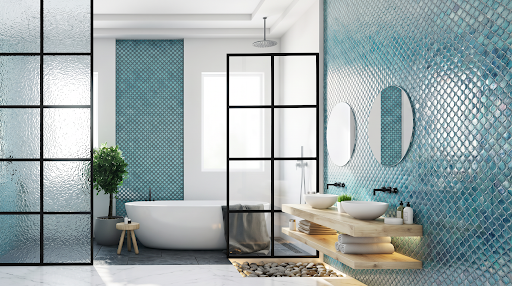
Bathrooms have evolved from purely functional spaces into personalized retreats where design, comfort, and practicality come together. Among the many features shaping contemporary bathroom layouts, the fixed glass shower screen has become a favorite for homeowners, designers, and renovators alike. Its minimalist appearance, open feel, and ability to complement nearly every interior style make it one of the most versatile shower enclosure solutions available today.
Unlike traditional framed shower enclosures with multiple moving components, a fixed glass panel creates a streamlined bathing area that emphasizes simplicity. It reduces visual clutter while allowing natural and artificial light to travel freely throughout the room, making even compact bathrooms appear larger and brighter.
Whether you’re planning a complete renovation or simply exploring different bathroom layouts, understanding how fixed shower screens function, their advantages, material options, and maintenance requirements can help you make an informed design decision.
Why Fixed Shower Screens Continue to Gain Popularity
Modern homeowners increasingly value clean architectural lines, low-maintenance materials, and spaces that feel open rather than confined. Fixed shower screens naturally support these design preferences.
Instead of enclosing the shower with several hinged or sliding doors, a single stationary glass panel partially separates the showering area from the rest of the bathroom. This open design provides effective splash protection while maintaining an airy atmosphere. Interior designers often recommend this style because it works equally well in:
- Contemporary bathrooms
- Scandinavian interiors
- Industrial-inspired spaces
- Minimalist homes
- Luxury spa-style bathrooms
- Accessible bathroom layouts
Its versatility allows the screen to blend with almost any tile, vanity, fixture, or flooring material.
The Minimalist Design Philosophy
Minimalism isn’t simply about removing decorative elements. It’s about allowing each feature to perform a purpose while contributing to visual harmony. A fixed shower screen embraces this philosophy by eliminating unnecessary hardware and moving parts. The result is a bathroom that appears organized, spacious, and timeless.
Large uninterrupted glass surfaces allow beautiful tile work, natural stone, textured walls, or decorative flooring to remain visible throughout the room rather than being hidden behind bulky frames. This uninterrupted sightline is one reason modern luxury hotels frequently incorporate fixed glass shower partitions into their bathroom designs.
How Glass Improves Spatial Perception
One fascinating aspect of transparent materials is how they influence the way people perceive space. Traditional shower curtains or opaque enclosures create visual barriers that make bathrooms appear segmented. Glass, however, preserves continuous sightlines across the room. This optical effect helps:
- Increase perceived room size
- Improve brightness
- Enhance natural light distribution
- Showcase premium finishes
- Reduce visual clutter
For apartments, condos, and smaller homes where every square foot matters, this can make a noticeable difference.
Common Glass Types Used
Not all shower glass is manufactured the same way. Various glass options provide different aesthetic and functional characteristics.
Tempered Safety Glass
Tempered glass is the industry standard for shower applications because it undergoes controlled heat treatment that significantly improves its strength.
If broken under extreme force, tempered glass fractures into relatively small rounded fragments rather than dangerous sharp shards, making it considerably safer for residential bathrooms.
Clear Glass
Clear glass remains the most popular choice because it maximizes openness while allowing decorative bathroom finishes to remain visible. It complements virtually every interior design style.
Low-Iron Glass
Standard glass naturally contains small amounts of iron that create a subtle green tint along the edges. Low-iron glass minimizes this coloration, producing exceptional clarity that is especially noticeable with white marble, bright tile, and modern interiors.
Frosted Glass
For homeowners seeking additional privacy, frosted finishes diffuse visibility while still allowing light transmission. They provide a softer visual appearance without completely enclosing the space.
Patterned Glass
Textured or patterned glass introduces decorative character while maintaining functional separation between shower and bathroom areas.
Understanding Shower Layout Options
The beauty of stationary shower screens lies in their flexibility across different bathroom configurations.
Walk-In Shower Layouts
Perhaps the most recognized application involves walk-in showers. Here, one fixed panel shields the spray zone while leaving an open entrance without a swinging door. This arrangement supports accessibility while maintaining an elegant appearance.
Corner Installations
Corner showers often use one or two stationary glass panels positioned perpendicular to surrounding walls. This creates effective splash containment while preserving openness.
Wet Room Designs
Wet rooms feature fully waterproofed floors where the shower area blends seamlessly with the rest of the bathroom. Fixed glass partitions help define shower boundaries without interrupting the continuous flooring.
Hardware That Supports Modern Design
Although the glass panel receives most of the attention, carefully engineered hardware contributes significantly to both appearance and structural stability. Common hardware components include:
- Wall mounting channels
- Stainless steel support bars
- Ceiling stabilization rods
- Minimalist brackets
- Protective edge seals
Many designers prefer matte black hardware for industrial aesthetics, while brushed nickel and polished chrome continue to dominate contemporary residential projects.
Installation Considerations
Proper installation determines both safety and long-term performance. Several factors influence placement:
Accurate Measurements
Even minor measurement errors can affect alignment, waterproofing, and hardware positioning. Professional measurements account for:
- Wall plumbness
- Floor slope
- Tile thickness
- Drain location
- Showerhead position
Structural Support
The supporting wall must adequately anchor the mounting hardware. Solid framing behind finished wall surfaces provides the strongest attachment points.
Water Management
An effective shower design directs water toward the drain while minimizing splash beyond the screen. This depends on:
- Panel width
- Showerhead placement
- Floor slope
- Drain design
- User movement patterns
Benefits Beyond Appearance
While aesthetics often receive the most attention, fixed shower screens offer several practical advantages that extend well beyond visual appeal.
Fewer Moving Components
Because there are no rollers, hinges, tracks, or sliding mechanisms, there are simply fewer components that require adjustment or eventual replacement. This often contributes to long-term reliability.
Easier Cleaning
Large uninterrupted glass surfaces are generally easier to clean than framed enclosures containing numerous corners and crevices. Many homeowners use simple glass cleaners or vinegar-based solutions to maintain clarity.
Better Light Distribution
Glass allows both natural and artificial lighting to circulate throughout the bathroom. Brighter bathrooms often feel cleaner, larger, and more inviting.
Universal Design Compatibility
The open entrance associated with many fixed screen layouts aligns well with universal design principles by reducing barriers to entry. Although accessibility requirements vary between households, open shower concepts remain increasingly popular for aging-in-place renovations.
Keeping Glass Looking Its Best
Routine maintenance helps preserve clarity while minimizing mineral deposits. Regular care usually includes:
- Wiping excess water after showering
- Cleaning weekly with non-abrasive products
- Avoiding harsh scrubbing pads
- Removing soap residue before buildup develops
In regions with hard water, mineral deposits may accumulate more quickly. Many homeowners install water softeners or periodically use diluted white vinegar to dissolve calcium deposits.
Some glass manufacturers also apply protective coatings that reduce water spotting and simplify ongoing maintenance.
Choosing the Right Thickness
Glass thickness influences both appearance and structural performance. Common residential thicknesses include:
- 3/8-inch tempered glass
- 1/2-inch tempered glass
Thicker glass generally provides:
- Greater rigidity
- Premium appearance
- Reduced vibration
- Enhanced stability
The appropriate choice depends on panel dimensions, support hardware, and local building requirements.
Coordinating With Bathroom Design
One reason designers appreciate stationary glass partitions is their ability to complement nearly every material palette. Popular pairings include:
Natural Stone
Marble, travertine, slate, and limestone remain fully visible through transparent glass, emphasizing their natural beauty.
Large Format Tile
Oversized porcelain tiles create fewer grout lines, reinforcing the seamless appearance encouraged by open shower concepts.
Wood-Look Flooring
Luxury porcelain planks that resemble natural wood introduce warmth while maintaining moisture resistance.
Matte Black Fixtures
Black fixtures contrast beautifully against clear glass, producing a contemporary architectural aesthetic.
Sustainability and Longevity
Durable building materials often contribute to more sustainable renovations because they require fewer replacements over time. Tempered shower glass can remain functional for decades when properly installed and maintained.
Additionally, fixed shower designs frequently require fewer manufactured components than more mechanically complex enclosures, reducing overall material complexity. Many homeowners also appreciate the timeless appearance, which helps bathrooms avoid becoming visually outdated after only a few years.
Common Misconceptions
Several misconceptions continue to surround stationary shower screens. One common belief is that they always allow excessive water outside the shower. In reality, proper sizing, thoughtful showerhead placement, and correct floor drainage significantly reduce splash.
Another misconception suggests that glass is fragile. Tempered safety glass is engineered specifically to withstand everyday residential use while meeting strict building safety standards.
Some people also assume open shower layouts create colder bathing experiences. While larger open showers may allow slightly greater air circulation than fully enclosed cabins, bathroom heating, layout, and ventilation often play a much larger role in overall comfort.
Trends Shaping Modern Shower Design
Bathroom design continues evolving toward cleaner, simpler spaces. Several trends complement fixed shower screens exceptionally well:
- Curbless shower entrances
- Linear floor drains
- Floating vanities
- Recessed wall niches
- Large porcelain slabs
- Smart bathroom lighting
- Neutral earth-tone palettes
- Integrated waterproofing systems
Together, these features create bathrooms that feel contemporary while remaining highly functional.
Final Thoughts
The fixed glass shower screen represents more than a minimalist design trend; it reflects a broader shift toward open, functional, and visually balanced bathrooms. By combining durable tempered glass with thoughtful planning and quality installation, homeowners can achieve a shower space that feels bright, spacious, and timeless.
Whether incorporated into a compact guest bath or a luxurious primary suite, this style continues to appeal because it blends aesthetics with practicality. Its clean lines, reduced maintenance, excellent light transmission, and compatibility with virtually every design style ensure it remains a lasting choice in modern bathroom architecture.