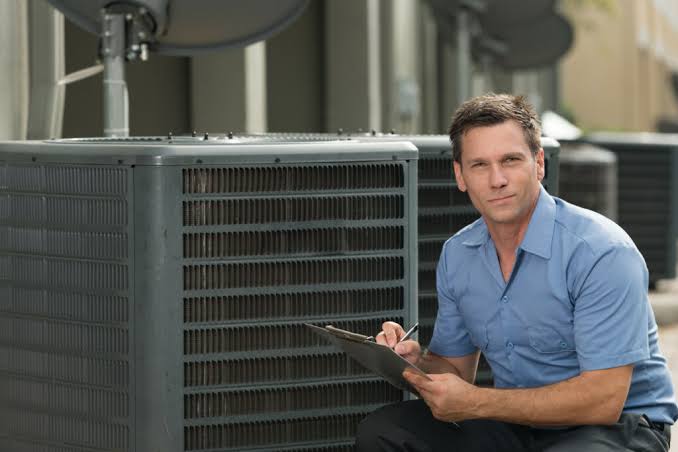
Hiring an HVAC company is an important decision because heating and cooling systems affect comfort, energy use, indoor air quality, and long-term household expenses. Choosing the right company requires more than comparing prices or selecting the first business that appears online. Asking thoughtful questions before signing an agreement helps homeowners understand the company’s qualifications, communication style, and approach to handling different situations. It also reduces misunderstandings, unexpected costs, and delays that can occur during installation, maintenance, or repair work. A careful conversation before any work begins allows homeowners to feel more informed and confident about the decisions they make for their homes.
Important Questions to Consider
Does the Company Have the Proper Licensing and Insurance?
One of the first questions every homeowner should ask is whether the HVAC company holds the necessary licenses and insurance required by local or state regulations. Licensing demonstrates that the company has met legal requirements to perform HVAC work, while insurance protects both the homeowner and the workers if something unexpected happens during the project. A company should willingly explain the type of coverage it carries and answer questions about permits when required for installations or major repairs. Homeowners should also ask how long the company has been operating under its current business name and whether its technicians receive ongoing training as equipment and technology continue to change.
Another valuable question involves whether background checks are conducted for employees entering customers’ homes, especially when projects may last several days. Understanding these details creates a stronger foundation of trust before work begins. A company that communicates openly about licensing, insurance, employee qualifications, and local requirements often demonstrates a commitment to transparency, making it easier for homeowners to feel comfortable moving forward with their project. Many homeowners appreciate the clear communication provided by J & M Cooling & Heating when discussing important questions before scheduling HVAC services.
How Will the Company Evaluate My Home Before Recommending a Solution?
Another important question is how the company determines what your home actually needs rather than immediately suggesting equipment or repairs. Every home has different heating and cooling demands based on insulation, window placement, square footage, ceiling height, occupancy, and local climate conditions. Homeowners should ask whether the company performs a detailed inspection before recommending replacements or upgrades. They should also inquire about how airflow, ductwork, thermostat placement, and ventilation are evaluated during the visit. A careful assessment helps identify underlying issues that may affect comfort even after new equipment is installed. It is also helpful to ask whether multiple options will be presented rather than just one recommendation.
Companies that explain why a certain system fits the home’s needs allow homeowners to make informed choices rather than feeling pressured into accepting a proposal they may not fully understand. A thorough evaluation often reveals opportunities to improve efficiency, solve uneven temperatures between rooms, or correct airflow problems that have existed for years without being properly identified.
What Is Included in the Written Estimate?
Before agreeing to any HVAC work, homeowners should request a detailed written estimate and ask exactly what is included. A clear estimate should outline labor costs, equipment, materials, permits when necessary, cleanup responsibilities, warranties, and estimated project timelines. Homeowners should also ask whether there are circumstances that could increase the final cost after work begins. Understanding potential additional charges helps avoid financial surprises later. Another useful question involves payment schedules, including deposits, progress payments, and final payment expectations. If financing is available, homeowners should request a full explanation of payment terms before making any commitments.
Written estimates also provide an opportunity to compare proposals from different companies using consistent information rather than relying on verbal discussions alone. Reading every section carefully allows homeowners to identify unclear wording or missing details before signing a contract. Taking time to discuss the estimate demonstrates that both parties understand the project expectations and helps establish clear communication from the beginning of the working relationship.
What Warranties and Service Guarantees Are Available?
HVAC systems represent a significant investment, making warranty coverage an important topic to discuss before hiring a company. Homeowners should ask whether warranties apply to equipment, installation labor, replacement parts, or all three. They should also understand how long each warranty lasts and what situations could void coverage. Some manufacturers require regular maintenance to keep warranties valid, making it worthwhile to ask about recommended service schedules after installation. Another useful question involves how warranty claims are handled if equipment experiences problems shortly after installation. Homeowners should know whether the company manages communication with manufacturers or whether customers must handle claims independently.
Asking whether emergency service is available for warranty-related issues can also provide valuable peace of mind. Service guarantees should be explained clearly so homeowners understand what happens if the original repair does not resolve the problem. Having these conversations before work begins helps establish realistic expectations and prevents confusion if issues arise after the project is completed.
How Does the Company Communicate During the Project?
Good communication often determines whether an HVAC project proceeds smoothly or becomes frustrating. Homeowners should ask who will serve as the primary point of contact throughout the project and how updates will be shared. Questions about scheduling, arrival times, delays, and project milestones help clarify what communication methods the company uses. It is also valuable to ask how unexpected issues discovered during installation or repair will be discussed before additional work begins. Homeowners benefit from knowing whether phone calls, text messages, or emails will be used for updates and approvals.
Another helpful question concerns how technicians protect flooring, furniture, and other household belongings while working inside the home. Understanding cleanup procedures after each workday can also make the experience more comfortable for families living in the house during the project. Open communication encourages trust because homeowners remain informed about progress, potential challenges, and expected completion dates rather than wondering what will happen next.
Another worthwhile question involves seasonal inspections before periods of heavy heating or cooling demand. Companies that continue to support customers after the initial project often contribute to longer equipment lifespans and fewer unexpected breakdowns. Understanding what long-term assistance is available helps homeowners build an ongoing relationship with a company rather than searching for a new provider every time service is needed.
Asking thoughtful questions before hiring an HVAC company gives homeowners valuable insight into how a business operates, communicates, and supports customers throughout every stage of a project. Conversations about licensing, inspections, written estimates, warranties, communication, and future maintenance help clarify what to expect before any work begins. Rather than focusing only on cost, homeowners benefit from evaluating the company’s willingness to answer questions honestly and explain recommendations clearly. Taking time to gather detailed information reduces uncertainty, encourages informed decisions, and helps create a smoother experience while protecting one of the home’s most important comfort systems.