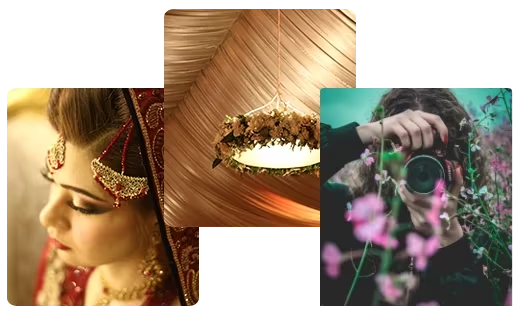
Mainstream bridal fashion is quietly shedding its old skin. For many decades, the traditional western aisle was a sea of stark ivory and predictable silhouettes. Today, a rich cultural exchange is taking place across global fashion runways and social media boards alike. When modern brides walk toward the altar, they are borrowing heavily from South Asian traditions. They want vibrant colors, intricate textures, and dynamic layering. This shift is not just a fleeting fad. It is a profound rethinking of what bridal style can achieve when heritage meets contemporary design.
The old rules are breaking down completely. People want their celebrations to reflect genuine personal stories rather than rigid historical expectations. Global designers are taking notice of this shift. They are studying centuries old eastern craftsmanship and applying it to fresh collections. The result is a stunning blend of old world charm and modern sensibility. People everywhere are opening their eyes to the sheer artistry found in eastern bridalwear.
Color Is Replacing White
The strict rule of the pure white dress is fading fast. For generations, western bridal magazines treated white as the only acceptable choice for a bride. South Asian bridalwear has always embraced a much bolder spectrum. Deep crimsons, rich golds, and glowing jewel tones have long symbolized prosperity and joy in eastern traditions. Now, those exact same shades are showing up in western bridal collections and real weddings everywhere. Brides are choosing soft blushes, emerald greens, and fiery oranges for their big day. They want colors that make their skin glow and bring warmth to their photographs. White is no longer the default option. Color has officially claimed the spotlight.
This color revolution goes far beyond simple aesthetics. Color carries emotional weight and cultural meaning. Brides want garments that feel alive. They want hues that reflect their unique personalities instead of blending into a generic background. Designers are responding by introducing full rainbow spectrums into traditionally white spaces. You can walk into a modern boutique and find lavender gowns, mustard yellow lehengas adapted for western cuts, and deep navy velvet dresses. The fear of stepping outside the ivory box is completely gone. Brides are discovering that a colorful entrance leaves a much stronger memory than a traditional white dress ever could.
Embellishment and Embroidery Go Mainstream
Minimalism had its moment, but texture is back with a massive vengeance. Techniques like intricate hand embroidery, glittering zari, and dense sequin work were once casually dismissed as overly ethnic or traditional. Today, those exact artisanal details are elevating western style gowns and accessories. A simple silk slip dress is suddenly paired with a heavily beaded cape or a jacket glittering with metallic thread. Designers are recognizing that garments telling a story through craftsmanship carry a deeper emotional weight. The appeal lies in the human touch. Every stitched motif represents hours of meticulous labor, bringing an unmatched level of luxury to the modern wardrobe.
Craftsmanship is the new luxury currency. Mass produced lace and synthetic pearls are taking a backseat to authentic, heritage inspired needlework. Artisans who spent decades perfecting specific embroidery styles are now finding their work celebrated on international runways. Mainstream brides appreciate the dedication required to construct these garments. A heavily embellished veil or a bodice covered in mirror work turns an ordinary dress into a wearable masterpiece. It connects the wearer to a long lineage of skilled makers. This appreciation for intricate detail proves that modern fashion values substance and artistry just as much as clean lines.
Multi Outfit Weddings Become the Norm
The single dress tradition is slowly disappearing from the modern landscape. South Asian weddings have always normalized multiple outfit changes, mapping different garments to distinct emotional moments like lively pre-wedding gatherings, the sacred ceremony, and the celebratory reception. Mainstream brides are noticing how practical and fun this approach truly is. Why squeeze into one heavy gown for twelve hours when you can wear a structured dress for the ceremony and slip into a fluid and dance friendly look for the evening party? Couples are curating mini wardrobes for their celebrations. Changing clothes allows brides to shift their energy and mood as the festivities evolve.
This trend also speaks to a broader desire for everyday versatility. Modern wedding celebrations often span multiple days or feature distinct phases. A single outfit cannot possibly match the changing mood from a daytime garden ceremony to a moody night club reception. Brides want freedom of movement. They want a grand and dramatic look for photos and a lightweight and comfortable dress for dancing late into the night. Splitting the wedding wardrobe into distinct chapters solves practical problems while doubling the fun of fashion expression. It turns getting dressed into an ongoing performance throughout the event.
Fusion Bridalwear as Its Own Category
The most exciting space in modern bridal design lives right in the middle. Fusion wear blends traditional lehenga silhouettes or peshwases with western tailoring. Think of corseted bodices paired with flowing silk skirts, or sharply cut blazers worn over heavily embroidered trousers. This category is seeing growing demand from both diaspora brides and non South Asian brides who want something entirely unique. Finding these specialized pieces and connecting with the right global makers has become easier thanks to digital planning tools and styling ecosystems like Shadiyana, which bridge the gap between traditional craftsmanship and modern accessibility.
The fusion category challenges the idea that a bride must choose between two distinct cultural worlds. Instead, it lets them inhabit both simultaneously. A bride can wear a silhouette rooted in eastern heritage while utilizing western structural techniques. This cross pollination keeps the fashion industry fresh and innovative. Designers are constantly experimenting with new fabric weights, closure types, and draping methods. As global connections grow stronger, fusion wear will only become more refined. It represents a future where style knows no borders and creativity guides every single stitch.
The Road Ahead
Bridal fashion is fundamentally more inclusive and expressive than it was ten years ago. As cultural boundaries continue to blur, upcoming collections will lean even further into personal storytelling. Brides are no longer interested in following rigid style rules handed down by past generations. They want garments reflecting their multifaceted identities, combining heritage artistry with modern ease. The future of the aisle is colorful, textured, and delightfully unexpected.