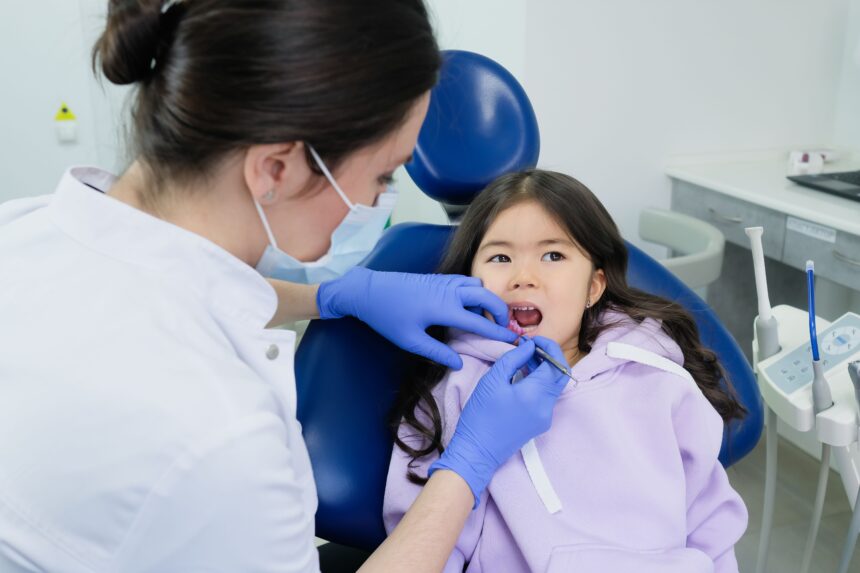
If you’re raising a child in New York City, dental care can feel like one more item squeezed into an already packed schedule. Between school, activities, subway delays, and everyday city life, you want a dentist who makes appointments easier for both you and your child. But convenience isn’t the only consideration. The CDC reports that about 11% of U.S. children ages 2 to 5 have at least one untreated cavity in their baby teeth, rising to nearly 18% among children ages 6 to 8.
Early preventive care can make a meaningful difference. The American Academy of Pediatric Dentistry recommends establishing a dental home no later than a child’s first birthday, creating an ongoing relationship that includes preventive care, assessments, treatment, and guidance for parents.
For NYC families, that makes choosing a pediatric dentist about more than finding an office nearby. You’ll want to consider how the practice works with young or anxious patients, approaches preventive care, communicates with parents, and handles dental concerns as children grow. The right experience can help your child become more comfortable with dental visits while building oral-health habits that can follow them well beyond childhood.
Why pediatric dental care matters more than many parents expect
You might assume baby teeth are a temporary issue, so small problems can wait. That idea tends to backfire. Pediatric dentists focus on teeth, gums, jaw development, and habits like thumb-sucking at stages when changes happen quickly.
They also know how to work with kids who are nervous, wiggly, skeptical, or suddenly fascinated by the suction tool. That skill matters. A stressful early appointment can turn basic care into a long-term battle.
Regular visits help catch cavities, bite issues, enamel defects, and cleaning challenges before they become expensive or painful. You’re not only protecting teeth. You’re building routines, reducing fear, and giving your child a better shot at seeing dental visits as normal instead of a horror franchise reboot.
Signs you’ve found the right fit for your child
The best choice usually becomes obvious during your first call or visit. Pay attention to how the office communicates with both you and your child.
A strong pediatric practice will explain policies clearly, answer questions without rushing, and make your child feel acknowledged rather than managed. Staff should speak directly to your child when appropriate, even if your child hides behind your jacket like a tiny defense attorney.
You’ll also want a dentist who gives practical advice, not generic lectures. If your child hates flossing, snacks constantly, or resists brushing before school, the dentist should offer realistic suggestions you can actually use.
If you’re looking for the best pediatric dentist in NYC, consider factors such as experience, kid-friendly communication, and a practice that understands the needs and busy schedules of Manhattan families.
What makes a pediatric dentist different from a general dentist
A general dentist may treat children, but a pediatric dentist gets extra training in child-specific dental care, behavior guidance, and oral development. That training shows up in the details.
The office setup is often designed for kids, with smaller tools, a more welcoming environment, and staff who know how to explain procedures without making them sound alarming. Instead of saying, “This may hurt,” they know how to frame things in a calm, age-appropriate way.
Pediatric dentists also tend to be more experienced with common childhood issues like early cavities, dental trauma from sports, delayed tooth eruption, and orthodontic warning signs. If your child has sensory sensitivities, anxiety, or special healthcare needs, that level of specialization can make a major difference in how smoothly appointments go.
Questions to ask before booking the first appointment
You don’t need to interrogate the office like a police procedural, but a few smart questions can save time and stress. Start with the basics: What ages do they treat? Do they accept your insurance? How do they handle first visits?
Then get more specific. Ask how they support anxious children, whether parents can stay in the room, and what preventive services they recommend. Sealants, fluoride treatments, and habit counseling often matter more than parents realize.
If your child has a history of sensory overload, previous dental fear, or medical concerns, ask whether the team has experience handling those situations. Their answer should sound clear and confident, not vague and polished.
You can also ask about scheduling. In NYC, practical convenience counts. An excellent dentist located nowhere near your daily routine can become surprisingly hard to keep up with.
Red flags that deserve a second look
Some warning signs show up quickly. If the office seems chaotic, dismissive, or impatient with basic questions, notice that. Pediatric care depends heavily on trust and communication.
Be cautious if the dentist talks only to you and ignores your child completely. Kids pick up on tone fast. If they feel invisible or cornered, cooperation can vanish in record time.
Another red flag is one-size-fits-all advice. Children have different temperaments, habits, and developmental needs. A thoughtful provider adjusts recommendations instead of repeating the same script to every family.
You should also be wary of pressure. If a practice pushes treatments without explaining the reason, alternatives, urgency, or cost, pause. Good pediatric dentists educate first. You need enough information to make a decision without feeling railroaded down the treatment plan express lane.
How to prepare your child for a smoother visit
The pre-appointment setup matters more than many parents think. If you present the visit like a looming ordeal, your child will usually absorb that energy. Keep your explanation simple, calm, and honest.
Tell younger kids the dentist will count and clean their teeth and make sure their mouth stays healthy. Avoid promising that nothing will feel strange, because weird is part of the package. Instead, say the team will explain everything and help them through it.
Try to schedule appointments when your child is usually fed, rested, and least likely to melt down. A 3:30 p.m. slot after school and zero snacks can turn any waiting room into a negotiation summit.
Bring comfort items if needed, arrive a little early, and avoid using dental visits as a threat at home. Oral health works better as a routine than a punishment.
Building healthy habits between dental appointments
The dentist handles a few visits a year. You handle the daily grind. That means the biggest wins often happen at home.
Set a brushing routine your child can predict: two minutes, twice a day, with fluoride toothpaste in an age-appropriate amount. Floss once teeth start touching. If your child resists, try a timer, a song, or letting them choose the toothbrush. Small control can reduce big drama.
Watch how often sugary snacks and drinks show up, especially sticky foods or constant sipping. Frequency matters a lot. A child who grazes on sweets all afternoon gives cavity-causing bacteria a long shift.
Keep an eye on mouth breathing, tooth grinding, and complaints about sensitivity or pain. Mention those issues early. The goal isn’t perfection. It’s consistency, quick course correction, and a child who learns that taking care of teeth is simply part of everyday life.