A slower route through northern France reveals a region where landscape, food and local tradition are inseparable.
A Different Reason to Travel North
Normandy is often introduced through its famous landmarks: the D-Day beaches, Mont-Saint-Michel, the cliffs of Étretat and the elegant seaside towns of the Côte Fleurie. Yet another side of the region appears when a journey is organised around what grows, is made and is served there.
This is a landscape of apple orchards, dairy farms, fishing harbours, weekly markets and small villages where food still carries a strong sense of place. For travellers who have already seen Paris – or who simply want a more intimate experience of France – following Normandy’s flavours can turn a few days on the road into something memorable.
Morning in the Pays d’Auge
The Pays d’Auge is one of the best places to understand rural Normandy. Half-timbered houses sit behind hedgerows, cattle graze in green fields and apple trees cover the countryside. The scenery is beautiful, but it also explains much of what eventually reaches the table.
Camembert, Livarot and Pont-l’Évêque are not simply names on a cheese board; they are places rooted in this landscape. The same is true of cider, pommeau and Calvados. Small producers throughout the area continue to work with local apples, and visiting an orchard or producer gives context that cannot be found by simply ordering a drink in a restaurant.
A route through villages such as Beuvron-en-Auge and the countryside around Cambremer works particularly well for travellers who prefer discovery to rushing between major attractions.
From Orchard Roads to the Sea
One of Normandy’s strengths is how quickly the scenery changes. A morning among orchards can lead naturally toward the coast, where the culinary identity shifts from dairy and apples to seafood.
Honfleur is an obvious stop, but its appeal goes beyond the postcard view of the Vieux Bassin. The harbour, narrow streets and restaurant terraces create a natural pause in a day of exploration. Depending on the season, menus may feature oysters, scallops, mussels or locally landed fish.
Further along the coast, Deauville and Trouville offer a different atmosphere. Trouville’s fish market remains a particularly vivid reminder that Normandy’s seaside towns are working communities as well as visitor destinations.
Markets Tell the Story Better Than Souvenir Shops
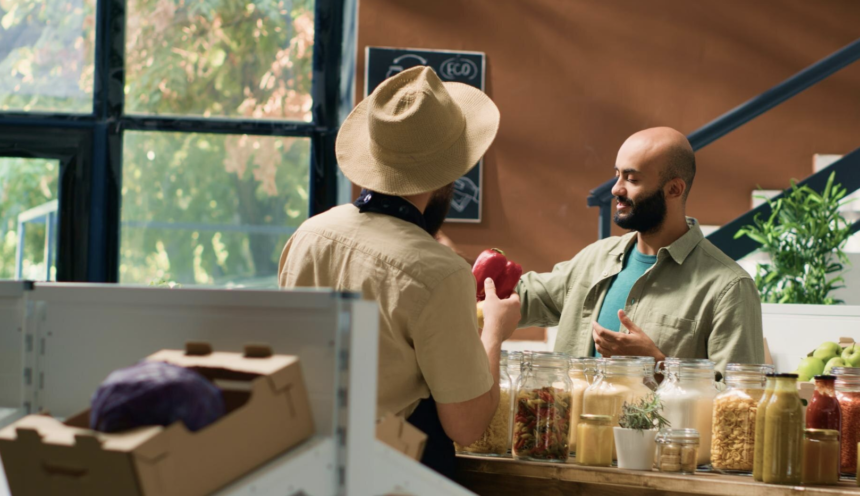
For travellers interested in local culture, a market can reveal more about a region than a conventional shopping street. Stalls of cheese, bread, vegetables, cider and seafood show what is seasonal and what local people actually buy.
Bayeux is especially useful as a base because history, architecture and food can be combined without turning the day into a checklist. Its streets invite walking, while the surrounding countryside makes it easy to continue toward producers, coastal villages or historic sites.
The key is not necessarily to visit the largest number of places. A market in the morning, lunch in a village and an afternoon drive through the countryside can create a stronger impression than five hurried stops.
Why This Kind of Normandy Trip Needs Flexibility
Food-focused travel rarely follows a perfect timetable. A producer may deserve an extra half-hour. A market may be more interesting than expected. Lunch can become the highlight of the day. Weather may make the coast more appealing in the afternoon than in the morning.
That flexibility is one reason private road travel can suit this part of France particularly well. Travellers can connect small villages and rural addresses that are awkward to combine by train, while keeping luggage and changing plans without rebuilding the entire itinerary.
For visitors who want this type of tailored journey, Normandy Private Driver provides private transfers and customised touring across Normandy, including connections from Paris and the region’s major arrival points. The value is less about simply moving between two addresses and more about preserving the freedom that makes an unhurried regional journey enjoyable.
A Two-Day Flavour Route
A practical first day could begin in the Pays d’Auge, continue through Beuvron-en-Auge or Cambremer, include a cider or Calvados producer, and finish on the coast around Honfleur or Trouville.
The second day can shift west toward Bayeux and the Bessin area. This makes it possible to combine a local market or food stop with the coast and, for travellers interested in history, selected D-Day sites. The contrast is part of the experience: farmland, medieval streets, seaside landscapes and twentieth-century history all sit surprisingly close together.
Travellers with an additional day can extend the journey toward Mont-Saint-Michel or build a completely different coastal route toward Étretat.
Travel Through What a Place Produces
The most rewarding trips are not always built around the most famous photograph. Sometimes they begin with a village bakery, an orchard road, a conversation with a producer or a plate that tastes unmistakably of the place where it was served.
Normandy lends itself to that style of travel because its identity remains visible in both the landscape and the food. Rather than treating the region as a quick excursion from Paris, giving it time allows the connections to emerge: apples and orchards, cheese and pasture, seafood and harbours, markets and village life.
That is when Normandy stops feeling like a collection of attractions and starts feeling like a region.