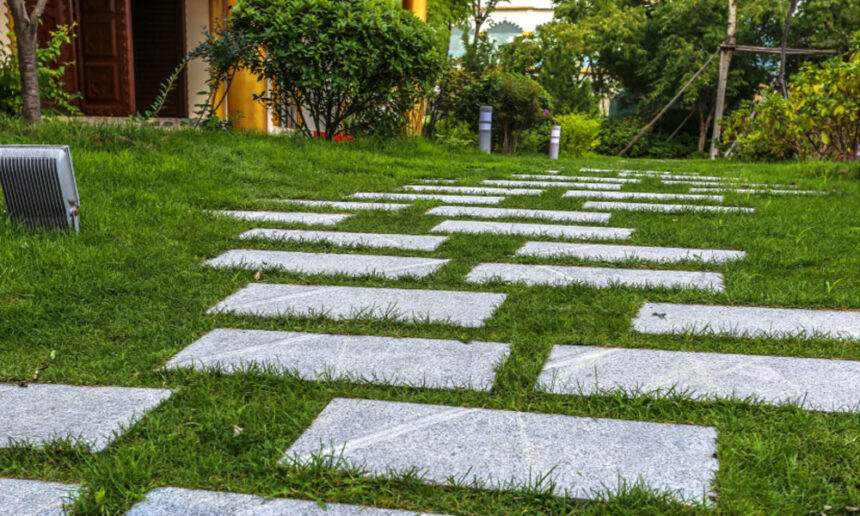
Professionals can incorporate stonework and paved structures into your property layout to enhance the outdoor living space. Architectural elements include travertine patios, custom fire features, and masonry walkways; these options offer style and durability without requiring intensive upkeep. Here is more information about incorporating hardscaping into low-maintenance outdoor living spaces:
Travertine Patio Installations
A travertine patio is constructed from premium natural stone pavers. Certain types of travertine have thermal properties that help limit surface heating in direct sunlight. Using light-colored stone may further help keep surface temperatures low; this allows the patio to be used in various types of weather. Travertine patios are suitable for:
- Outdoor celebrations
- Summer barbeques
- Family gatherings
- Relaxing and lounging outdoors
Some travertine installations feature a smooth texture that provides a level surface for outdoor furniture. Professionals can align each tile to prevent shifting, and they’re able to create precise borders that give the patio a neat shape. Tight joints maintain the structural layout and minimize spaces where debris accumulates. These tight connections help keep the patio area clean, which may reduce the need for frequent upkeep.
Custom Fire Features
Custom fire features serve as functional architectural elements that add warmth to outdoor living spaces. Some may be wood-burning and produce ash and smoke; other options include modern gas-powered installations that provide heat with minimal maintenance. Hardscaping professionals also offer a range of contemporary designs, including linear and geometric fire pits. Installation teams may construct the main bodies from robust masonry materials.
Fire features serve as aesthetic focal points, and they extend backyard usability in cooler climates. They are ideal for both cooking and entertaining, depending on your lifestyle needs. Arranging seating around the fireplace creates a comfortable outdoor gathering space for family and friends. These features can replace higher-maintenance landscaping elements, such as grass and flower beds.
Paver Driveway Designs
Paver driveways feature interlocking layouts that help distribute vehicle loads across individual pavers. The installation uses natural stone or concrete pavers, and proper base preparation and installation help the finished driveway withstand regular vehicle use. Homeowners can choose custom driveway designs to create a distinctive first impression for anyone visiting or passing by the property.
A tailored paver layout keeps the home’s entryway functional and attractive over time, and it is typically lower maintenance than a dirt driveway that grows weeds. Personalized driveways feature patterns and materials that complement the home’s architecture. Professionals can customize the layout with specific geometric shapes or classic herringbone configurations.
Different driveway shapes help create a personalized aesthetic that reflects a homeowner’s preferences, whether they prefer a straight or winding path. Professionals may also use interlocking pavers and appropriate jointing materials. This allows the surface to accommodate minor movement associated with temperature changes without the cracking associated with a continuous concrete slab.
Stone Retaining Walls
A stone retaining wall helps stabilize uneven terrain on a property. While steep slopes allow rainwater to wash away topsoil, masonry walls hold back soil to prevent erosion during downpours. The installation may use interlocking stones designed to withstand lateral pressure, and proper construction assists with maintaining the wall’s stability. These vertical structures also help maximize the amount of flat, usable ground in a backyard. By anchoring the sloped yard with a stone barrier, the landscape can remain secure and well graded for years with occasional maintenance.
Some retaining walls feature built-in drainage channels; these help redirect water flow away from the main living areas. During installation, professionals backfill the space behind the stone blocks with gravel. Weep holes can provide additional drainage by allowing water to escape and reducing hydrostatic pressure behind the wall. Contemplate adding a retaining wall for the following reasons:
- To define and organize different areas of the landscape
- To create level areas for planting and outdoor activities
- To reduce the amount of lawn that requires regular maintenance
- To create additional usable space in uneven areas
Explore Hardscaping Options
Hardscaping can reduce yard maintenance by replacing areas of grass and other high-maintenance plantings with durable, non-living surfaces. These surfaces often require less mowing, watering, and routine care. Options range from patios and driveways to fire features and retaining walls. Adding paved pathways throughout the yard may also reduce maintenance. It limits foot traffic across lawns, planting beds, and other landscaped spaces; this helps protect planted areas from damage. Contact a reputable landscaping professional to learn more about their hardscaping services.