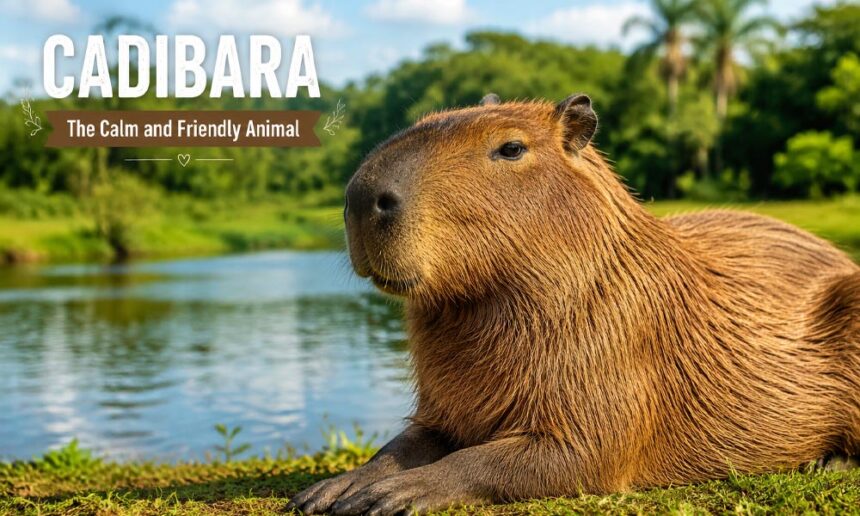
Have you ever seen an animal that looks completely relaxed while birds sit on its back or other animals walk around it? That peaceful animal is the cadibara. In recent years, this amazing creature has become one of the most loved animals on the internet. People enjoy watching its slow movements, friendly nature, and calm way of living.
The cadibara is not famous only because it looks cute. It has a very interesting life. It is the largest rodent in the world, it loves water, and it can live peacefully with many other animals. Its simple lifestyle has made people around the world curious to learn more about it.
In this article, we will explore everything about the cadibara. We will learn what this animal is, where it lives, how its body works, why it loves water, and what makes it different from other animals. So, let’s discover the beautiful world of the calm and friendly cadibara.
What Is a Cadibara? Learn About This Amazing Animal
The cadibara is another name often used online for the capybara. The correct scientific name of this animal is Hydrochoerus hydrochaeris. It belongs to the rodent family, which means it is related to animals like guinea pigs. However, the cadibara is much bigger than most rodents we know.
Many people are surprised when they learn that the cadibara is a rodent. When they see one for the first time, they may think it looks like a mix between a large guinea pig and a small animal that lives near water. Its big body, short legs, and peaceful face make it easy to recognize.
The cadibara is known as the largest rodent in the world. Unlike small rodents that usually hide, the cadibara enjoys open spaces and spends a lot of time relaxing near rivers and lakes. Its unique lifestyle is one reason why so many people find it interesting.
The word cadibara has also gained attention online because of different spellings and internet discussions. However, when people talk about this amazing animal, they are usually referring to the capybara and its wonderful natural life.
Cadibara Habitat: Where Does This Animal Live?
The cadibara is mainly found in South America. It lives in countries such as Brazil, Venezuela, Colombia, Argentina, and Paraguay. These areas provide the warm climate and water sources that this animal needs to survive.
A cadibara does not choose dry places to live. It prefers areas close to rivers, lakes, wetlands, and marshes. These places give it access to food, water, and safe areas where it can rest. For a cadibara, a place near water is like having a home and a safety zone at the same time.
Water plays a very important role in the daily life of a cadibara. During hot days, it enters the water to cool its body. When it feels threatened, it quickly moves into the water to protect itself from danger.
Imagine living in a place where you can relax beside a river, swim whenever you want, and eat fresh plants nearby. This peaceful lifestyle is exactly what makes the habitat of the cadibara so special.
Cadibara Physical Features and Unique Body
The cadibara has a very special appearance. Its large, round body often reminds people of a giant guinea pig. An adult cadibara can weigh between 35 and 66 kilograms, and some can grow even bigger. Its body size makes it stand out among other rodents.
One of the most interesting things about the cadibara is its body design. It has short legs, a strong body, and thick fur that is usually brown or reddish in color. This fur helps it blend into grass and plants, making it harder for predators to notice.
The feet of a cadibara are also very useful. They have small webbed parts that help the animal swim easily. Because of these special feet, the cadibara can move smoothly through water and stay safe when danger appears.
Another amazing feature is the position of its eyes, ears, and nose. They are placed high on its head, allowing the cadibara to keep most of its body underwater while still watching what is happening around it. This simple body feature helps it survive in its water-based environment.
Like other rodents, the cadibara’s front teeth never stop growing. Because of this, it needs to keep chewing plants and other food to keep its teeth at the right length.
Why Cadibara Loves Water So Much
If there is one thing the cadibara truly loves, it is water. This animal spends a large part of its day near water or inside it. This is why scientists describe it as a semi-aquatic animal, meaning it can live both on land and in water.
Water helps the cadibara in many ways. First, it keeps the animal cool during hot weather. South America can have very warm temperatures, so swimming becomes a natural way for the cadibara to relax and control its body temperature.
Water also helps protect the cadibara from predators. When it senses danger, it does not always run away on land. Instead, it often jumps into the water and swims away. This quick action can save its life.
The cadibara is an excellent swimmer. It can stay underwater for several minutes, sometimes hiding with only its nose above the surface. This ability allows it to stay safe while still keeping an eye on its surroundings.
Unlike many animals that avoid water, the cadibara sees water as a place of comfort and safety. Its entire body is built for a life close to rivers, lakes, and wetlands.
Cadibara Diet: What Does This Animal Eat?
The cadibara is a herbivore, which means it only eats plants. Its main food includes grass, leaves, aquatic plants, fruits, and sometimes tree bark. Since it lives near water, it has easy access to many types of plants.
Most cadibaras eat during the cooler parts of the day. They often feed in the early morning and evening when temperatures are more comfortable. During the hottest hours, they usually rest near water or in shaded areas.
The food habits of the cadibara may look simple, but its body has a smart way of getting nutrients. It uses a special digestion method that helps it take more nutrition from plants. This allows it to survive on foods that are easy to find in nature.
One unusual habit of the cadibara is called coprophagy. This means it eats certain waste to help its body get extra nutrients from food. While this may sound strange to humans, it is a natural process used by some plant-eating animals.
The simple plant-based diet of the cadibara shows how well this animal has adapted to its environment. It does not need complicated food sources to live a healthy life.
Cadibara Behavior: Why Is It Known as a Calm Animal?
The cadibara is famous around the world because of its calm and peaceful personality. Unlike many wild animals that become nervous or aggressive easily, the cadibara usually stays relaxed. It spends its time eating, swimming, resting, and enjoying life with its group.
One reason people love the cadibara is because of the way it reacts to other animals. You may have seen pictures or videos where birds sit on its back or smaller animals stay close to it. The cadibara does not try to chase them away. It simply stays calm and allows them to share the space.
This peaceful behavior has made the cadibara a symbol of relaxation. In today’s busy world, many people enjoy watching an animal that seems to have no stress. The simple life of the cadibara reminds people to slow down and enjoy small moments.
The cadibara does not mean it is completely helpless or unaware. It can still protect itself when needed. However, its natural personality is gentle, friendly, and easygoing.
Cadibara Social Life and Group Activities
The cadibara is a very social animal. It does not like living alone and usually stays with a group. A normal group may have around 10 to 20 cadibaras, but some groups can become much larger.
A group usually includes one dominant male, several females, and young cadibaras. Living together helps them stay safe because more animals can watch for danger. If one member notices a threat, it can quickly warn the others.
The cadibara family also spends a lot of time together. They eat together, rest together, and move from one place to another as a group. This close connection helps them build strong relationships.
Another interesting behavior is grooming. Cadibaras clean each other’s fur, which helps remove dirt and small insects. This activity also helps strengthen their bond, just like friendship between humans.
Living in a group gives the cadibara comfort and protection. It shows that even a peaceful animal needs friends and family around it.
How Cadibara Communicates With Others
Although the cadibara looks quiet, it has many ways to communicate. These animals use different sounds and body movements to share messages with each other.
A cadibara can make sounds like barking, whistling, chirping, and soft purring. Each sound has a different purpose. For example, a loud bark can warn the group about danger, while a softer sound may show comfort.
Young cadibaras also use sounds to stay close to their mothers. These small calls help families stay connected, especially when they are moving through grass or near water.
The cadibara also uses body language. The movement of its ears, posture, and actions can show how it feels. It can also use scent marking to recognize members of its group and mark its area.
This communication system may seem simple, but it helps the cadibara survive and maintain strong relationships with other members of its group.
Cadibara and Its Friendship With Other Animals
One of the most amazing things about the cadibara is its friendly relationship with other animals. In nature, it is common to see birds sitting on a cadibara’s back. These birds often eat insects from its fur, while the cadibara benefits from staying cleaner.
This type of relationship shows how animals can help each other. The birds get food, and the cadibara gets a small cleaning service. It is a simple example of teamwork in the animal world.
The cadibara is also known to share its space with animals like monkeys, ducks, and turtles. Instead of showing anger, it usually remains calm and accepts their presence.
This friendly nature is one major reason why people find the cadibara so special. It almost looks like the animal understands the value of peace and cooperation.
In a world where many animals compete for survival, the cadibara shows that living peacefully with others can also be a strength.
Cadibara Babies and Their Life Cycle
The life of a young cadibara begins in a very interesting way. Female cadibaras carry their babies for about 150 days before giving birth. A mother can usually have around 2 to 8 babies at one time.
Baby cadibaras are born more prepared than many other animals. They have fur, open eyes, and strong bodies from birth. Within only a few hours, they can walk and follow their mother.
One amazing thing about baby cadibaras is that they can swim at a very young age. Since water is such an important part of their life, this ability helps them stay safe from the beginning.
Young cadibaras do not depend only on their parents. The whole group helps protect and care for them. This group support gives babies a better chance of growing safely.
In the wild, a cadibara usually lives around 6 to 12 years. Their life depends on their environment, food supply, and protection from dangers.
Cadibara Predators and Survival Skills
Even though the cadibara is calm and friendly, it still faces dangers in the wild. Several strong animals hunt cadibaras for food. These include jaguars, anacondas, and caimans.
Young cadibaras are especially vulnerable because they are smaller and less experienced. Birds of prey can also become a danger if babies are away from the group.
To survive, the cadibara uses smart protection methods. One of its best defenses is water. When it feels danger nearby, it quickly moves into rivers or lakes where predators may have difficulty following.
Group living also helps protect the cadibara. More members means more eyes watching the surroundings. When one animal notices danger, it can alert the rest of the group.
However, natural predators are not the only challenge. Human activities, such as destroying wetlands and changing natural habitats, can also affect their future.
Why Cadibara Became Famous Around the World
The internet has played a huge role in making the cadibara famous. In recent years, videos of these animals relaxing, swimming, and spending time with other creatures have become very popular on platforms like social media.
Many people enjoy watching the cadibara because it brings a feeling of peace. In a fast-moving world full of stress, seeing an animal that stays calm can feel refreshing.
Funny pictures and memes have also helped increase its popularity. Many people now use the cadibara as a symbol of staying relaxed and not worrying too much about small problems.
The online popularity of the cadibara has introduced this amazing animal to millions of people who may never have seen one before. Its gentle personality has turned it into one of the most loved animals on the internet.
Cadibara Conservation and Future Protection
The good news is that the cadibara is not currently considered endangered. Its population is stable in many areas, and it is listed as a species of “Least Concern.”
However, this does not mean the cadibara has no problems. This animal depends heavily on wetlands, rivers, and natural areas. When these habitats are destroyed, it becomes harder for cadibaras to find food and safe places to live.
Protecting nature is one of the best ways to help the cadibara. Keeping rivers clean, saving forests, and protecting wetlands can support many animals, including this peaceful creature.
Conservation efforts are important because every animal plays a role in nature. By protecting the home of the cadibara, humans also protect the balance of the environment.
Interesting Cadibara Facts You Should Know
The cadibara is full of surprising facts that make it even more interesting. It is the largest rodent in the world, but many people are still surprised to learn that such a large animal belongs to the rodent family.
Another amazing fact is its swimming ability. The cadibara can stay underwater for several minutes and use water as a safe place when danger appears.
Its teeth are also special. Like other rodents, its front teeth keep growing throughout its life. This is why it needs to keep chewing plants regularly.
Baby cadibaras are also impressive. They can walk and swim soon after birth, which helps them survive in their natural environment.
The cadibara’s calm personality, smart body design, and friendly behavior make it one of the most unique animals on Earth.
Conclusion
The cadibara is much more than a cute animal seen in online videos. It is a fascinating creature with a peaceful personality, strong survival skills, and a special connection with nature.
From its love for water to its friendly behavior with other animals, every part of the cadibara’s life is interesting. It shows us that being calm and kind can be powerful qualities.
In 2026, the cadibara continues to win hearts around the world. People enjoy learning about this animal because it represents peace, balance, and a slower way of living.
By protecting its natural home, we can help future generations enjoy this amazing animal too. The cadibara reminds us of a simple message: sometimes, slowing down and enjoying the moment is the best way to live.
(FAQs)
What is a cadibara in simple words?
A cadibara is another name often used online for the capybara, which is the largest rodent in the world. It is a peaceful, water-loving animal that looks like a giant guinea pig. Cadibaras are known for their calm personality, friendly behavior, and ability to live peacefully with other animals.
Is cadibara the same as capybara or are they different animals?
Yes, cadibara and capybara refer to the same animal. The correct and widely accepted name is capybara, but the spelling “cadibara” has become popular in some online discussions. Both names describe the same large rodent that lives mainly in South America.
Where do cadibaras live in the world?
Cadibaras mainly live in South America. They can be found in countries such as Brazil, Venezuela, Colombia, Argentina, and Paraguay. They prefer areas near rivers, lakes, wetlands, and marshes because these places provide water, food, and protection from danger.
Why is the cadibara known as a calm and friendly animal?
The cadibara is famous for its peaceful nature. It usually does not show aggressive behavior and often stays relaxed around other animals. Birds, monkeys, ducks, and other creatures can sometimes stay close to it without causing problems. This calm personality is one of the biggest reasons people love cadibaras.
What does a cadibara eat every day?
A cadibara is a herbivore, which means it eats plants. Its diet mainly includes grass, leaves, aquatic plants, fruits, and tree bark. It usually eats during cooler parts of the day, such as early morning and evening. Its simple plant-based diet helps it survive in its natural environment.
Can a cadibara swim and stay underwater?
Yes, the cadibara is an excellent swimmer. It has webbed feet that help it move easily through water. It can stay underwater for several minutes and often uses water as a safe place to hide from predators. Water also helps it stay cool during hot weather.
How big can a cadibara grow?
A fully grown cadibara can weigh around 35 to 66 kilograms and may reach about 1.2 meters in length. Some individuals can become even larger. Its large body size makes it the biggest rodent species in the world.
Why do other animals like staying near cadibaras?
Many animals stay close to cadibaras because they are calm and peaceful. Birds often sit on their backs and eat insects from their fur, which helps both animals. Other animals, such as turtles, ducks, and monkeys, may also share space with cadibaras because they are not aggressive.
Can people keep a cadibara as a pet?
Some people keep cadibaras as pets, but they are not easy animals to care for. They need plenty of space, access to water, proper food, and social interaction with other cadibaras. Because of their special needs, they are not suitable pets for most homes.
Why did the cadibara become popular on the internet?
The cadibara became famous online because of its relaxing and friendly nature. Videos showing cadibaras swimming, resting, and spending time with other animals became very popular on social media. Many people see the cadibara as a symbol of calm living and enjoying simple moments.
You might also like: Insoya: The Future of Healthy Plant-Based Protein in 2026