Water damage often begins quietly, making it easy for homeowners to overlook the early warning signs until the problem becomes difficult and expensive to address. A small leak behind a wall, moisture trapped beneath flooring, or a slow drip beneath a sink can gradually weaken structural materials and create unhealthy indoor conditions. While some issues are immediately noticeable after storms or plumbing failures, others develop over weeks or months without drawing much attention. Recognizing the clues early allows property owners to prevent more extensive deterioration, preserve valuable belongings, and maintain a safer living environment before moisture spreads beyond the original source.
Recognizing the Early Warning Signs
Persistent Stains and Discoloration on Walls and Ceilings
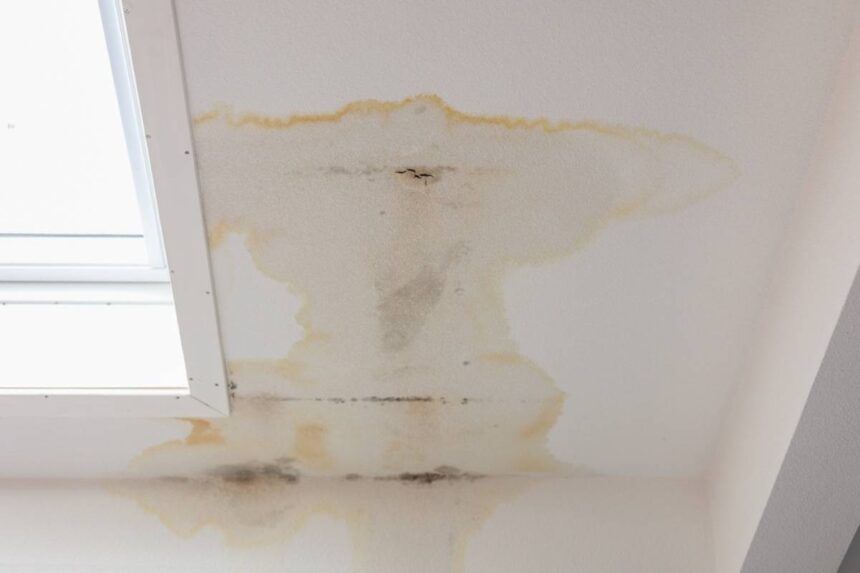
One of the earliest indications that moisture has entered a home is the appearance of stains on ceilings, walls, or even flooring. These stains often begin as faint yellow, brown, or copper-colored patches before gradually expanding into larger irregular shapes. Although repainting may temporarily hide the discoloration, the stain frequently returns because the underlying moisture remains active. Homeowners sometimes assume these marks are simply signs of aging paint or minor humidity changes, but recurring discoloration typically suggests an ongoing leak that deserves attention. Even small stains can indicate water traveling through insulation, wooden framing, or drywall before becoming visible.
Over time, damp materials lose strength, paint begins peeling, and drywall may soften enough to crumble when touched. Paying attention to these subtle visual changes allows repairs to begin before structural components suffer significant deterioration. Homeowners searching for reliable solutions often turn to Portland water damage repair services when recurring stains persist despite repeated cosmetic fixes. Prompt investigation not only identifies the moisture source but also helps prevent hidden damage from spreading into neighboring rooms and causing additional restoration costs.
Musty Odors That Refuse to Disappear
A lingering musty smell is another strong indicator that unwanted moisture has settled somewhere inside the property. Unlike temporary cooking smells or household odors that dissipate with ventilation, moisture-related odors persist and often intensify in humid weather. These smells usually originate from damp drywall, carpeting, insulation, or wooden framing where moisture has remained trapped for an extended period. Even if visible damage is absent, an unpleasant earthy scent often signals that water has collected behind finished surfaces where air circulation is limited. As damp conditions continue, mold and mildew begin feeding on organic materials such as wood, paper backing on drywall, or dust particles.
The odor becomes more noticeable each day because microbial growth continues expanding in hidden spaces. Homeowners sometimes mask these smells with air fresheners, scented candles, or cleaning products, but those solutions only mask the symptoms rather than address the source. Scheduling repairs after identifying persistent odors helps eliminate hidden moisture before it spreads further throughout the property and creates larger concerns, such as structural deterioration or indoor air quality issues.
Warped Floors and Uneven Surfaces
Flooring materials often reveal moisture problems long before water becomes visible elsewhere in the home. Hardwood boards may begin to cup along the edges, laminate flooring can develop raised seams, and vinyl surfaces may bubble or separate from the subfloor. Even tile flooring may loosen as moisture weakens adhesives over time. Walking across uneven surfaces sometimes produces soft spots, squeaking sounds, or noticeable movement that was not present previously. These physical changes occur because excess moisture causes wood fibers to swell, adhesives to lose strength, and subfloor materials to deteriorate gradually. Ignoring warped flooring may eventually lead to sections becoming unsafe to walk on or to the need for complete replacement rather than localized repairs.
Moisture beneath flooring can also remain hidden for months, silently affecting structural supports and creating favorable conditions for mold growth. Careful observation of subtle changes in floor texture, stability, or appearance allows homeowners to identify water-related problems before they spread beneath adjoining rooms. Addressing the issue promptly preserves flooring materials while minimizing the likelihood of the need for widespread structural restoration later.
Peeling Paint and Damaged Wall Finishes
Interior finishes often provide valuable clues about hidden water intrusion. Paint that begins bubbling, blistering, cracking, or peeling away from walls rarely does so without a reason. Moisture trapped beneath painted surfaces weakens adhesion, causing finishes to separate from drywall or plaster. Wallpaper may also loosen at seams, curl at the edges, or develop visible bubbles as trapped moisture accumulates beneath it. While occasional peeling may result from age or poor surface preparation, widespread deterioration frequently points to an active moisture source that continues to affect building materials. Homeowners sometimes repaint affected areas without investigating the cause, only to see the same problems return within a short period. This repeated cycle indicates that moisture remains present beneath the surface.
Beyond cosmetic concerns, prolonged dampness weakens drywall panels and wooden framing while increasing the likelihood of mold development. Repairing the water source before restoring finishes ensures that new paint or wallpaper lasts significantly longer. Paying close attention to changes in interior wall surfaces helps reveal moisture issues before they lead to larger structural repairs requiring extensive reconstruction.
Unexpected Increases in Utility Bills and Plumbing Concerns
Sometimes the clearest indication of hidden water damage appears not on walls or floors but within monthly utility statements. A sudden increase in water usage without changes in household habits may indicate a concealed plumbing leak slowly releasing water behind walls, beneath floors, or inside ceilings. Small leaks can continue for weeks while remaining completely invisible, gradually saturating surrounding materials and increasing repair costs. Alongside rising utility bills, homeowners may notice reduced water pressure, constantly running toilets, dripping sounds from walls, or plumbing fixtures behaving differently than usual. These warning signs often indicate problems that require immediate investigation before extensive moisture damage develops.
Modern homes contain numerous water supply lines hidden throughout the structure, making even minor leaks capable of affecting large sections of the property over time. Identifying plumbing irregularities early prevents unnecessary water waste while reducing the risk of structural deterioration. Combining routine monitoring of water bills with attention to unusual plumbing behavior provides homeowners with another valuable way to recognize when professional water damage repair should be scheduled.
Water damage rarely resolves on its own, and the warning signs usually become more serious over time. Stains, unpleasant odors, warped flooring, peeling finishes, rising water bills, and mold growth all suggest that unwanted moisture may be affecting areas beyond what is immediately visible. Responding quickly to these indicators helps protect structural materials, reduces repair costs, and limits the spread of damage throughout the property. Regular inspections and prompt action when unusual changes are noticed provide homeowners with a practical way to maintain a healthier, safer, and more durable living environment while preventing small problems from developing into major restoration projects.