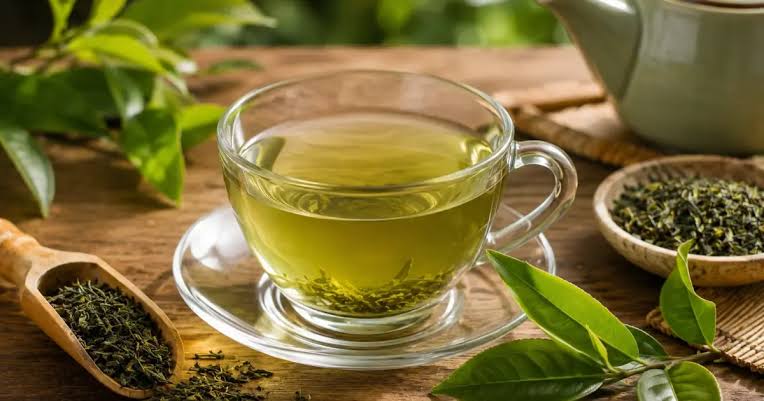
Green tea has a reputation for being simple, refreshing and healthy, but there is far more variety within the world of green tea than many people realise. From fresh and grassy Japanese Sencha to nutty Chinese Dragon Well and fragrant jasmine varieties, green tea can offer a surprisingly broad range of flavours and aromas.
What makes green tea especially interesting is that it is not simply one type of drink. Growing conditions, harvesting methods, processing techniques, region and brewing style can all influence the final cup.
Whether you are new to green tea or already enjoy it regularly, learning a little about its different styles can make the experience much more rewarding.
What Is Green Tea?
Green tea comes from the leaves of the Camellia sinensis plant, the same plant used to produce black, white and oolong tea. The difference lies largely in how the leaves are processed.
Green tea is generally processed in a way that limits oxidation, helping preserve its fresh character and giving the finished leaves their distinctive green appearance.
The result can range from delicate and floral to rich, vegetal, nutty or slightly sweet. This diversity is one reason green tea appeals to such a wide audience.
Popular Types of Green Tea
1. Sencha
Sencha is one of Japan’s best-known green teas. It is often associated with fresh, grassy and slightly sweet flavours, with a clean character that makes it enjoyable as an everyday tea.
Depending on the growing region and processing method, Sencha can range from light and delicate to richer and more savoury.
It is a good starting point for anyone who wants to explore Japanese green tea.
2. Dragon Well
Dragon Well, also known as Long Jing, is a famous Chinese green tea traditionally associated with Zhejiang Province.
It is known for a distinctive combination of fresh, nutty and gently sweet flavours. Compared with some intensely grassy green teas, Dragon Well can have a softer, rounder character that appeals to people who prefer a more mellow cup.
3. Jasmine Green Tea
Jasmine green tea combines green tea with the floral fragrance of jasmine. The result is aromatic and refreshing, with the floral notes adding another dimension to the underlying tea.
It can be a particularly approachable choice for people who find plain green tea too vegetal or intense.
4. Genmaicha
Genmaicha is a Japanese style that combines green tea with roasted rice. The toasted rice contributes warm, nutty and slightly savoury flavours.
Its comforting character makes it very different from lighter green teas and demonstrates just how varied green tea can be.
5. Matcha
Matcha is made from finely ground green tea leaves rather than simply steeping whole or broken leaves in water. Because the powdered tea is consumed as part of the drink, matcha has a particularly concentrated flavour and distinctive texture.
It can have grassy, umami-rich, creamy or subtly sweet characteristics depending on its quality and production.
What Does Green Tea Taste Like?
There is no single flavour profile for green tea.
Some varieties are light and floral, while others are grassy, vegetal, nutty, buttery or savoury. Brewing temperature and steeping time also have a major effect on flavour.
If green tea tastes unpleasantly bitter, the problem may not be the tea itself. Water that is too hot or steeping the leaves for too long can draw out more bitter and astringent compounds.
Experimenting with brewing conditions is one of the easiest ways to discover what suits your palate.
How to Brew Green Tea Properly
Use the Right Water Temperature
Green tea is generally better brewed at a lower temperature than many black teas. Extremely hot water can make delicate leaves taste harsh or bitter.
Allowing freshly boiled water to cool for a short period before pouring it over the leaves can produce a smoother infusion.
Pay Attention to Steeping Time
Longer does not necessarily mean better. A relatively short steep can reveal delicate aromas and sweetness, while over-steeping may produce excessive bitterness.
Start with the recommended brewing time for the particular tea and adjust it according to your preferences.
Experiment With the Amount of Tea
The quantity of leaves also affects the final cup. Using more leaves with a shorter steep can create a very different result from using fewer leaves for a longer period.
Loose-leaf tea is particularly enjoyable for experimentation because the leaves can often be adjusted easily from one brew to the next.
Green Tea and Everyday Wellness
Green tea is often associated with wellness because it naturally contains antioxidants and other plant compounds. It also contains caffeine, although the amount can vary depending on the tea and brewing method.
It is important not to think of green tea as a cure-all or substitute for a balanced diet and healthy lifestyle. Instead, it can be a simple and enjoyable addition to everyday routines.
For many people, the appeal is as much about the ritual as the drink itself: preparing the leaves, waiting for them to infuse and taking a few quiet moments to enjoy the finished cup.
Hot or Cold: How Should You Enjoy Green Tea?
Green tea does not have to be limited to a steaming mug.
Many varieties work well as cold-brewed tea, particularly lighter and more aromatic styles. Cold brewing tends to produce a smoother infusion because the leaves are exposed to cool water for a longer period.
Green tea can also be incorporated into iced tea recipes, refreshing drinks and food pairings. Floral varieties can work particularly well with fruit, while nuttier teas can complement savoury or lightly sweet foods.
How to Choose a Green Tea
If you are just beginning, think about the flavours you already enjoy.
Choose Sencha if you like fresh, grassy flavours. Try Dragon Well if you prefer nutty and mellow notes. Jasmine green tea can be a good option for floral aromas, while Genmaicha offers a toastier and more comforting character.
Matcha is worth exploring if you are interested in a more concentrated, distinctive green tea experience.
Loose-leaf teas can also be a useful way to explore different origins and styles, while teabags offer convenience for everyday brewing.
Conclusion
Green tea is far more diverse than its simple name suggests. From Japanese Sencha and Chinese Dragon Well to fragrant jasmine tea, comforting Genmaicha and vibrant matcha, there is a style to suit almost every preference.
The best way to discover your favourite is to experiment. Try different varieties, adjust the water temperature and steeping time, and pay attention to the flavours and aromas you enjoy most.
Ultimately, green tea is not about following a single perfect brewing rule. It is about discovering what makes each cup enjoyable and turning a simple drink into a small, satisfying daily ritual.