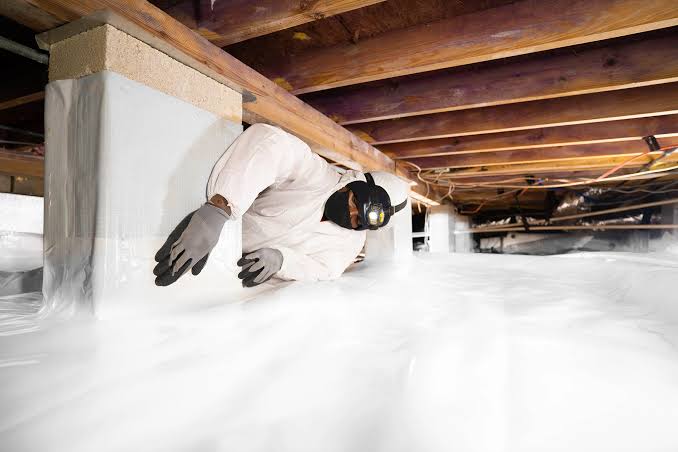
Older homes often carry hidden moisture problems beneath the floor long before signs appear inside the living space. A crawlspace may seem out of sight and easy to ignore, but damp air, wet soil, and poor ventilation beneath the home can slowly degrade wood framing, insulation, and flooring, and compromise indoor comfort. Over time, this trapped moisture can lead to musty odors, uneven floors, and a general sense that the house never feels fully dry. Crawlspace services help address these issues by controlling how water vapor, humidity, and outside air behave underneath the structure and around critical building materials over time.
Below-Floor Moisture Control
- Older Crawlspaces Often Hold Moisture More Easily
Many older homes were built with crawlspaces that were never designed to handle long-term moisture in a controlled way. Soil beneath the house may remain exposed, outside air may enter freely through vents, and older materials may allow damp conditions to linger without a clear path for drying. Once that moisture settles in, it can begin to affect the wooden supports, insulation, and the undersides of the floors above. Crawlspace services help by identifying the specific ways moisture enters and becomes trapped beneath the structure. Homeowners researching solutions may also come across vapor barriers by Impact while looking for ways to reduce moisture movement from the ground into the crawlspace air. This kind of support matters because older homes often face several moisture sources at once rather than one simple issue. Ground vapor, humid outdoor air, minor drainage problems, and long-term condensation can all work together to create a damp environment that continues to stress the home from below.
- Moisture Control Starts with the Ground and Air Together
One reason crawlspace services are so valuable is that moisture buildup beneath older homes rarely comes from one place alone. Even when there is no active plumbing leak, the ground itself can release water vapor upward every day. At the same time, humid outside air can enter through open vents and interact with cooler surfaces beneath the home. That combination can create a steady cycle of dampness that never fully clears. Crawlspace professionals help reduce this problem by treating both the ground and the air as connected parts of the same condition. They may recommend covering exposed soil, improving drainage, sealing entry points, or creating a more controlled crawlspace environment that prevents damp outside air from continually feeding the problem. This matters because many homeowners assume moisture comes only from visible water. In reality, invisible vapor and humidity often do the long-term damage. By managing both sources together, crawlspace services help create conditions in which wood, insulation, and structural materials are less likely to remain wet or absorb moisture day after day.
- Better Crawlspace Conditions Help Protect Structural Materials
When moisture remains beneath an older home for too long, the materials supporting the house slowly begin to absorb that stress. Floor joists, beams, subflooring, and other wooden parts can swell, weaken, or develop surface deterioration after long exposure to damp air. Insulation may sag or lose effectiveness, and metal components may also show signs of corrosion over time. Crawlspace services help reduce these risks by creating a drier, more stable environment in which those materials are not constantly exposed to humidity. This protection is important because structural damage beneath the floor often develops gradually and may not be obvious until its effects begin to appear inside the living area. Homeowners might first notice soft floors, a persistent musty smell, or rooms that feel harder to heat and cool evenly. By lowering moisture below the home, crawlspace services help preserve the materials that carry the weight of everyday life above. A healthier crawlspace supports a healthier house, even though most of that improvement happens in a part of the home that people rarely see.
- Drier Crawlspaces Can Improve Comfort Inside the Home
Moisture problems beneath older homes do not stay confined to the crawlspace itself. Air from below can influence the rooms above, especially in homes with gaps, older flooring systems, or insulation that is no longer performing well. When the crawlspace stays damp, that moisture can contribute to musty indoor odors, cooler floor surfaces, and a general feeling that the house is heavy or humid even when weather outside seems normal. Crawlspace services help reduce those effects by limiting the moisture that rises upward into the living space. Once the area beneath the house becomes more controlled, homeowners often notice that floors feel less damp, indoor air seems fresher, and the home feels more comfortable overall. This matters because comfort problems are not always caused by heating or cooling equipment. Sometimes the condition of the space beneath the house is quietly affecting how the interior feels every day. Addressing crawlspace moisture can therefore improve not only structural health, but also the quality of daily living inside an older home.
- Long-Term Moisture Reduction Supports Better Home Performance
A crawlspace that remains wet or humid for years can gradually affect many aspects of ahome’ss overall performance. Floors may begin to feel uneven, odors may become harder to remove, insulation may stop working as well, and materials below the house may continue to age faster than they should. Crawlspace services help reduce that long-term strain by providing the home with a more stable environment beneath it. That can support better durability, fewer moisture-related surprises, and a stronger foundation for future maintenance decisions. Instead of treating signs of dampness only after they become obvious indoors, these services address the conditions that allow the moisture to build in the first place. This is especially helpful in older homes, where original construction methods may not provide the same moisture control expected in newer structures. By reducing vapor, humidity, and damp air beneath the house, crawlspace work helps the home perform more reliably overall. A drier crawlspace can make a meaningful difference in how well the structure holds up over time.
Crawlspace services help reduce moisture buildup beneath older homes by controlling the damp conditions that often develop quietly below the floor. Through better ground coverage, improved air control, and moisture management, these services help protect framing, insulation, flooring, and overall indoor comfort. Older homes are especially vulnerable because their crawlspaces often trap vapor and humidity for long periods. Addressing those conditions early can reduce long-term structural stress and make the home feel drier and more stable overall. A healthier crawlspace supports the strength, comfort, and daily performance of the entire house above it.