A question that rarely comes up during the excitement of a first purchase, but matters a great deal a year or two later, is how long the device will actually keep working at full strength. LEDs do not fail the way an incandescent bulb does, burning out suddenly, they degrade gradually, which makes this a slightly more nuanced topic than it first appears.
How LEDs Actually Degrade
Rather than failing outright, LEDs experience a gradual decline in light output over thousands of hours of use, a process sometimes referred to as lumen depreciation. This means a device may still turn on and appear to function normally years into ownership while actually delivering meaningfully less light energy than it did when new, without any obvious external sign that this has happened.
Typical Lifespan Expectations
Quality LEDs used in consumer skincare devices are generally rated for tens of thousands of hours before significant output decline, which for a typical multi-weekly home routine translates to several years of expected effective use. Lower-quality components can degrade meaningfully faster, which is part of why build quality differences between devices are not always obvious at the time of purchase.
Why This Matters for an LED Light Therapy Device Specifically
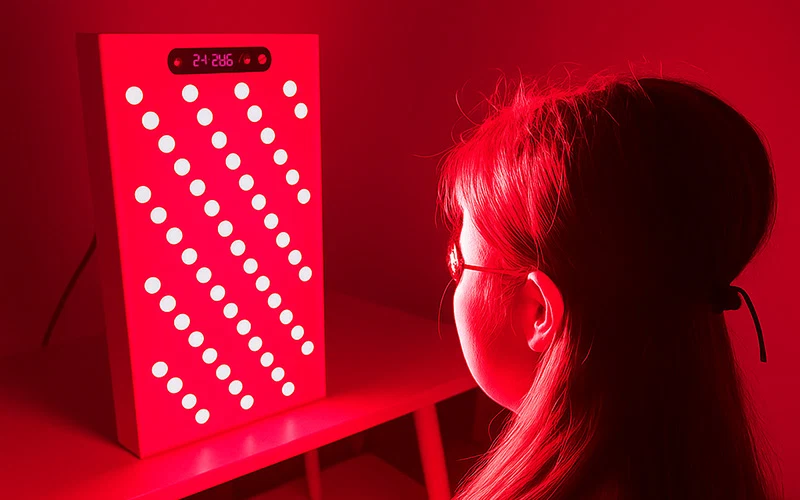
Since results depend on adequate light intensity reaching the skin, a led light therapy device whose output has quietly declined may continue producing progressively weaker results without the user realizing the device itself, rather than their routine, has become the limiting factor. This is a reasonable thing to consider if results seem to plateau or decline after a long period of previously effective use.
What Affects Degradation Speed
Heat management, the quality of the underlying LED components, and how the device is powered all affect how quickly output declines over time. According to engineering research on LED degradation and output over time, poor thermal management is one of the most significant accelerants of premature LED degradation, which is part of why cheaper devices with minimal internal cooling design may not hold up as well as more thoughtfully engineered alternatives.
Signs Your Device May Be Degrading
There is no simple at-home test for irradiance decline, but noticeably reduced results after a long period of previously consistent effectiveness, without any change in your routine, is a reasonable signal worth considering. This is different from a temporary plateau, which is common and expected even with a fully functioning device.
Caring for a Device to Maximize Lifespan
Avoiding excessive heat exposure, storing the device properly between uses, and following the manufacturer’s charging and maintenance guidance all help preserve component longevity. Our guide to caring for skincare devices long term covers specific maintenance habits that meaningfully extend a device’s effective working life.
Warranty as an Indicator of Expected Lifespan
A manufacturer’s warranty length can offer some insight into how long they expect the device to perform reliably, since a company would not typically offer a multi-year warranty on a device prone to rapid early degradation. This is a reasonable, if imperfect, signal to factor into a purchase decision.
When Replacement Makes Sense
For most consumer devices used consistently over several years, a gradual decline in output eventually reaches a point where replacement becomes more sensible than continuing with meaningfully reduced results. There is no universal timeline for this, since it depends heavily on original build quality and how the device was used and cared for.
Setting Realistic Long-Term Expectations
A quality device purchased with reasonable care can be expected to perform close to its original output for a meaningful multi-year period, longer than many people assume, but not indefinitely. Treating a device as a durable but eventually replaceable tool, rather than a permanent one-time purchase, sets more accurate long-term expectations.
Comparing Notes With Other Long-Term Owners
Online communities and detailed long-term reviews can be a useful resource for understanding how a specific device model tends to hold up over multiple years of ownership, since this kind of extended-use feedback rarely appears in early reviews written shortly after purchase. Looking specifically for owners who have used a device for two or more years gives a more accurate picture of realistic long-term performance than reviews written in the first few months.
Why This Is Worth Considering Before, Not After, Buying
Factoring expected lifespan into a purchase decision upfront, rather than only thinking about it once a device starts underperforming, allows for a more informed comparison between a slightly more expensive device with better components and a cheaper one that may need replacing sooner. Over a multi-year ownership period, the true cost comparison can look quite different from the sticker price alone.
The Bottom Line
LED light therapy devices do not fail suddenly, they decline gradually, often without an obvious signal that anything has changed. Understanding this degradation pattern, and choosing a device built with quality components and reasonable thermal management, helps ensure a device continues delivering meaningful results well beyond the first year of ownership.