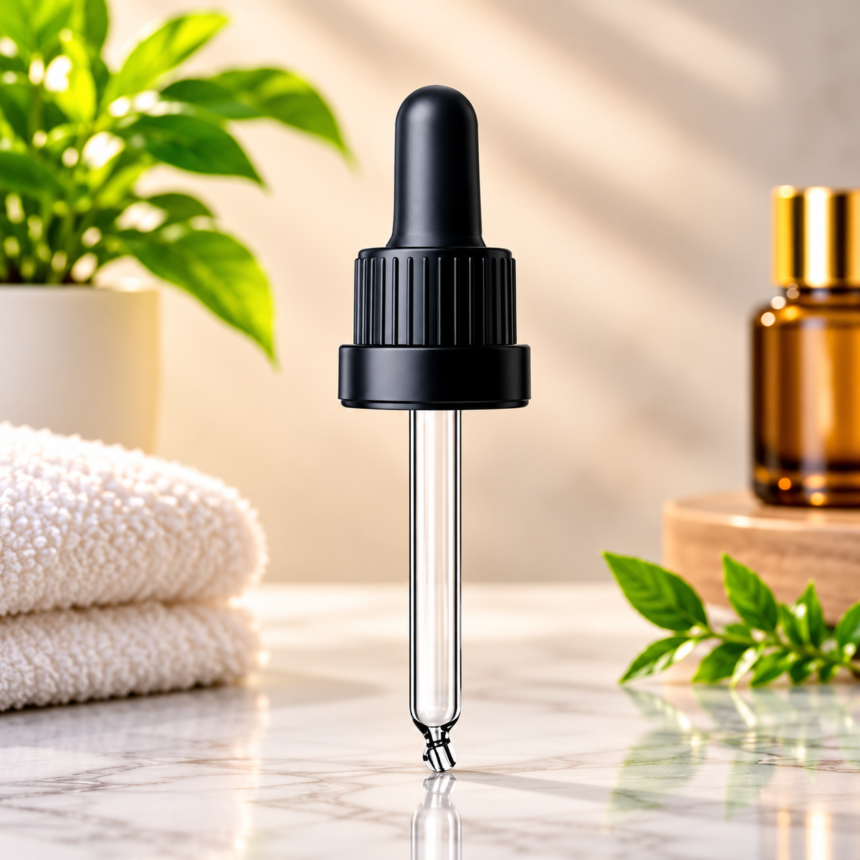
Pipettes are essential instruments used in laboratories and various industries for the precise measurement and transfer of liquids. Selecting the appropriate pipette capacity is crucial to ensure accuracy and efficiency in liquid dispensing tasks. This article explores how pipette capacity affects liquid dispensing and highlights the importance of matching pipette capacity to the product volume being handled.
When working with liquids, one critical factor is choosing the right pipette from the range of available pipette options. The decision influences both the accuracy of the volume transfer and the ease of operation. Pipettes come with varying capacities, typically ranging from microliters to several millilitres, catering to different application requirements.
Understanding Pipette Capacity
Pipette capacity refers to the maximum volume of liquid that a pipette can accurately measure and dispense. Using a pipette with a capacity too large or too small for the intended volume can result in significant errors. For instance, using a large-capacity pipette to measure very small volumes often reduces precision, while using a very small-capacity pipette for large volumes can be impractical and increase the time required for dispensing.
The Importance of Matching Pipette Capacity to Product Volume
Matching pipette capacity to the product volume is essential to achieve precise liquid transfer, minimise waste, and maintain process efficiency. When the pipette capacity closely aligns with the intended volume, it ensures that measurements stay within the calibrated range, resulting in more reliable and repeatable outcomes.
In contexts where consistency is paramount, such as pharmaceutical formulations or chemical analyses, selecting the correct pipette capacity reduces variability and supports compliance with quality standards. This precision also curtails the risk of contamination and reduces the likelihood of costly errors.
Considerations When Selecting Pipette Capacity
A variety of factors impact the choice of pipette capacity. Firstly, the volume of liquid to be dispensed regularly is a primary consideration. For example, transferring 100 microliters repeatedly would generally require a pipette with a capacity close to this measurement to maintain accuracy.
Secondly, the viscosity and chemical properties of the liquid influence capacity selection. Certain substances may require slower dispensing or pipettes designed to withstand corrosive materials. Additionally, operator comfort and ergonomics could influence the choice if frequent liquid transfers are involved, and the pipette capacity affects the weight and handling of the instrument.
Benefits of Using Appropriate Pipette Capacity
Utilising a pipette with the correct capacity enhances accuracy and repeatability in liquid handling tasks. This precision translates to reliable experimental results and consistent product quality, paramount in research and manufacturing environments.
Furthermore, proper capacity selection reduces material waste, an important consideration in both cost control and environmental sustainability. Employing a pipette that avoids over-dispensing or the need for multiple transfers of the same volume streamlines workflows and limits exposure to hazardous substances.
Technical Guidelines for Pipette Volume Matching
Many pipettes come with a recommended operating volume range, generally between 10% and 100% of their maximum capacity. Staying within this range ensures optimal pipetting performance. For instance, a 10 mL pipette is most accurate when dispensing volumes between 1 mL and 10 mL. Dispensing volumes significantly below 10% of the pipette’s capacity may compromise accuracy and consistency.
Laboratories and production facilities often maintain a set of pipettes with overlapping capacities to accommodate a broad range of volumes. This approach enables flexibility while ensuring each liquid dispensing task is performed with a pipette suited to its specific volume.
Available Pipette Types and Their Capacities
Several types of pipettes are available to accommodate different volume ranges. Single-channel pipettes are standard tools for volumes up to a few millilitres and provide high precision for smaller volumes. Multi-channel pipettes facilitate simultaneous dispensing into multiple vessels, ideal for applications such as microplate filling, usually with lower volume capacities.
Automated and electronic pipettes can offer enhanced accuracy and user-friendly features, often adjustable within specific capacity ranges. Selecting the appropriate pipette type and capacity is part of maintaining efficient workflows.
Integration of Pipettes with Related Dispensing Equipment
In many manufacturing and laboratory processes, pipettes are used alongside complementary dispensing tools. For example, dropper bottle solutions often require precise liquid volumes to be dispensed into small containers. Choosing pipettes with capacities suitable for these small-volume tasks ensures accuracy and prevents overfilling or underfilling, which can compromise product efficacy and safety.
Moreover, the compatibility of pipettes with the containers and liquids being used is essential. Considerations such as container opening size and liquid surface tension inform the selection of pipette capacity and type to optimise performance.
Techpack’s Role in Providing Pipette Solutions
Techpack specialises in supplying a comprehensive range of pipettes and related liquid handling products, enabling clients to find suitable instruments for their specific needs. Their catalogue offers diverse Techpack pipette options to meet volume requirements from microlitres to millilitres, supporting applications across industries such as pharmaceuticals, cosmetics, and chemical manufacturing.
By consulting Techpack’s product range, organisations can access expert advice and high-quality dispensing solutions tailored to match the precise volume demands of their operations.
Conclusion
Selecting the correct pipette capacity is fundamental to ensuring precision, efficiency, and reliability in liquid dispensing tasks. Matching pipette capacity to product volume reduces errors, optimises workflow efficiency, and supports compliance with quality standards. Techpack offers a broad selection of pipettes and dispensing equipment to assist industries in achieving accurate and dependable liquid handling.
Ultimately, recognising the impact of pipette capacity on liquid dispensing performance helps laboratories and manufacturers optimise their processes and enhance product quality.