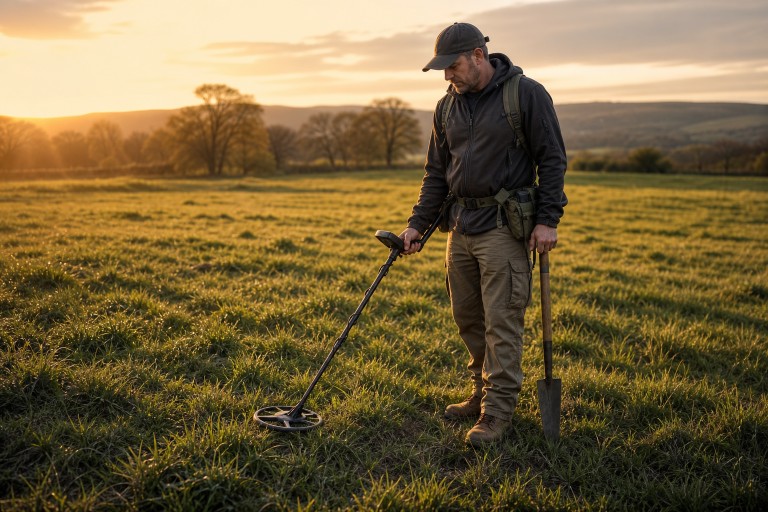
Choosing a metal detector is easier when you begin with where you will hunt, what you hope to find, and how often you will use it. A detector that feels excellent in a quiet park may be less comfortable or less stable on wet salt sand, in iron-heavy relic ground, or around highly mineralized soil. Rather than chasing the longest feature list, compare detectors by purpose and practical fit. Reviewing available Minelab metal detectors can help show how different designs are aimed at beach hunting, coins, relics, gold prospecting, and general-purpose searches.
Start With The Search Goal
Your primary target should guide the purchase. Coin hunters often value clear audio and useful target identification in parks and yards. Relic hunters may prioritize separation in iron-filled ground. Beach hunters need equipment that handles wet sand and water exposure, while gold prospectors may need controls that work well in challenging mineralized areas. Also, consider your available time. A casual weekend user may benefit most from straightforward controls, a comfortable balance, and a dependable default search mode. Someone who hunts for several hours each week may be more willing to learn manual ground balance, recovery settings, audio options, and alternate coils. No single detector is perfect for every target and location.
Consider Ground Conditions
Ground can affect a detector as much as the buried object. Dry soil is often easier to manage than wet salt sand, iron-rich clay, black sand, or soil with hot rocks. Mineralization refers to naturally occurring minerals or salts that produce responses that can compete with a target signal. In difficult conditions, users may notice chatter, false signals, changing target IDs, or reduced depth. Ground balance helps a detector reduce the effects of the soil. Sensitivity matters too, but maximum sensitivity is not always the best setting. Guidance on detecting in mineralized soils explains why iron-rich ground and salt-based conditions can create unstable responses. Before a long hunt, sweep a clean patch of ground and listen for consistent operation. If the detector is noisy, slightly reduce sensitivity or follow the appropriate ground-balance procedure in the manual. A stable detector that clearly reports good signals is usually more productive than an unstable one set too aggressively.
Match The Detector To Target Types
Small jewelry, thin coins, larger relics, and natural gold do not respond the same way. Target size, shape, depth, orientation, surrounding soil, and nearby trash all influence the signal. A tiny item close to the surface can produce a different response than a larger object deeper in the ground. Target separation becomes especially important in places filled with nails, foil, bottle caps, and aluminum scraps. Discrimination can reduce unwanted signals, but it is an estimate rather than a guarantee. Valuable targets can overlap with common trash ranges, so beginners should dig a reasonable mix of clear and uncertain signals as they build experience.
Focus On Features That Matter
- Target ID: Provides an estimate of conductivity or likely target type, not a certain identification.
- Recovery speed: Helps a detector respond to closely spaced objects, which is useful in trashy ground.
- Ground balance: Helps reduce interference from mineralized ground.
- Frequency options: Can offer flexibility for different targets and conditions.
- Audio controls: Tone pitch and volume can make long sessions easier to hear and manage.
- Weight and balance: Affect comfort, fatigue, and how long you will want to hunt.
- Battery and water protection: Should match the length and environment of your planned outings.
Choose The Right Search Coil
The coil is a major part of the setup. Larger coils can cover more open ground with each sweep, but they can be heavier and less convenient around roots, rocks, and dense trash. Smaller coils are easier to maneuver and can help isolate close targets. Round and elliptical designs can both work well, with the best choice depending on the site and compatible detector.
Simple Coil-Matching Guide
- Open fields: Consider a medium or larger coil for efficient coverage.
- Iron-heavy sites: Consider a smaller or medium coil for better control around nearby objects.
- Dry sand: A medium coil often provides a practical balance of coverage and maneuverability.
- Stream edges: A compact waterproof coil can be easier to move around rocks and roots.
Always confirm that an accessory coil is designed for your detector model before buying it.
Plan For Water And Weather
A waterproof coil does not automatically mean the entire detector can be submerged. Check the manufacturer’s rating for the control unit, shaft connections, headphones, and coil before entering water. Wet salt sand may require different settings than dry sand because conductive salts can cause interference. For rainy, muddy, or shoreline hunts, protect charging ports and connectors, use approved headphones where required, carry power safely, and rinse equipment only as permitted by its manufacturer. Secure the detector before working near deeper water or slippery rocks.
Set A Useful Budget
Match the budget to realistic use, not just initial excitement. Entry-level detectors can be a sensible choice for learning basic signals. Mid-range and advanced options may offer useful controls, stronger water protection, improved handling on difficult ground, or more accessory options. Those benefits matter most when they match the places you actually hunt. Leave room for essentials: a pinpointer, a sturdy digging tool, a pouch, headphones, a coil cover, and approved spare power or charging equipment. Start with the tools that improve recovery and comfort, then add accessories after gaining field experience.
Test Settings Before A Full Hunt
- Choose a clear patch of ground.
- Begin in the standard search mode.
- Increase sensitivity until the detector becomes unstable, then reduce it slightly.
- Test known items at different angles and depths.
- Place targets near iron or aluminum trash to hear the difference.
- Note the audio and target ID from more than one direction.
- Change only one setting at a time.
A small test garden can speed up learning by letting you compare responses without guessing which setting caused the change.
Follow Legal And Ethical Detection Rules
Rules vary by property owner, municipality, state, and land agency. Get permission before detecting private property, follow posted restrictions, and check the current rules for each public location. The National Park Service prohibits metal detecting in national parks, reflecting the importance of protecting archaeological resources.
Responsible Recovery Checklist
- Cut neat plugs where digging is allowed and appropriate.
- Remove trash you uncover and fill every hole.
- Avoid marked historic or archaeological areas.
- Respect site-specific instructions and report potentially significant finds when required.
Common Questions
What Is The Best Detector For A New User?
Choose one that is comfortable, understandable, stable on local ground, and suited to your usual search location. Ease of use matters because time spent learning consistent signals is valuable.
Does A More Expensive Detector Always Find More?
No. A higher price may bring useful capabilities, but skill, site selection, careful recovery, and time in the field remain important.
How Deep Can A Metal Detector Find An Object?
There is no fixed answer. Depth depends on the target, soil, coil, settings, sweep technique, and nearby metal.
Final Thoughts
The best metal detector is the one that fits your ground, target goals, budget, and available outdoor time. Prioritize stable performance, comfortable handling, practical controls, and responsible use when comparing different models. Consider where you plan to search, the types of targets you hope to find, and the conditions you are likely to encounter before making a purchase. Learning how to adjust settings and recognize different signals can also make the equipment easier to use effectively. With a practical setup and steady practice, each hunt becomes a chance better to understand both your equipment and the ground beneath it. Over time, experience can help you recognize patterns, refine your search techniques, and make more informed decisions about settings, locations, and targets.