If your garage door will not lift, moves only a few inches, or you hear a sharp bang from the garage, you may have a broken spring. A garage door can weigh 120 to 300 pounds or more, and torsion or extension springs counterbalance that weight so the opener does not have to lift the entire door on its own. When a spring breaks, the opener motor, gears, and other components can suddenly face much more strain than they were designed to handle. This guide explains how to recognize a broken spring, which simple checks are safe to perform, what to avoid, and how to plan a replacement that matches your door and normal usage.
-
What a Broken Garage Door Spring Looks and Sounds Like
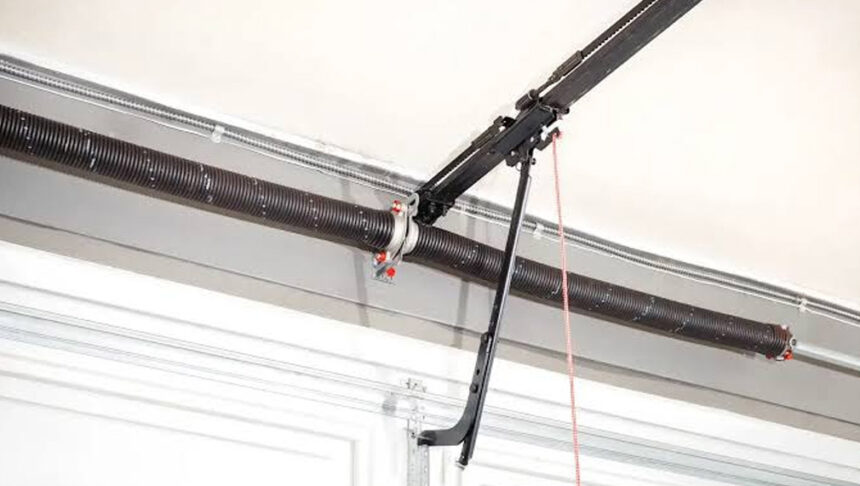
Many homeowners first hear a loud snap or bang when a torsion spring breaks, even if the garage door is closed. Look above the door at the torsion tube. A visible gap in the spring coil is a common sign that the spring has fractured. On extension spring systems mounted along the horizontal tracks, a broken spring may hang loosely or appear stretched out of position. Other warning signs include slack lift cables, a door that sits unevenly in the opening, or an opener that strains and then reverses because the d oor has become too heavy.
In many cases, the opener may raise the door only a short distance before stopping or reversing, which can be mistaken for a sensor problem. Photo eye sensors near the floor generally affect closing rather than lifting, so difficulty opening the door can point toward a counterbalance problem. If you decide to contact a local professional for diagnosis and repair in Louisville, providers such as Absolute Services can inspect door balance and replace damaged springs. The steps below can help you recognize the situation safely before service arrives.
-
Quick, Safe Checks You Can Do Without Tools
Keep the garage door fully closed if possible and unplug the opener so no one accidentally activates it. From a safe distance, look for a center-mounted torsion spring with a visible break in the coil or extension springs that appear damaged or out of position. Check whether either lift cable appears loose, but do not touch the cables, drums, springs, or brackets. These components may still be under significant tension.
Do not attempt to lift a garage door that appears unusually heavy or uneven. A broken spring can leave the door’s full weight unsupported, increasing the risk of sudden movement or injury. You can visually confirm that the door is not frozen to the threshold and that a manual lock has not been engaged. Avoid pulling the emergency release cord if the door is open, partly open, crooked, or suspected of having a broken spring. Without proper counterbalance, the door may fall suddenly.
-
Why Springs Fail: Cycles, Rust, Cold Weather, and Imbalance
Garage door springs are typically rated for a certain number of operating cycles, with one complete opening and closing counting as one cycle. Frequently used garage doors can accumulate thousands of cycles relatively quickly, and repeated stress eventually causes metal fatigue. Corrosion can accelerate this process, so springs exposed to damp conditions may wear faster. Cold weather can also add stress to already weakened metal, which is one reason spring failures are sometimes noticed on colder mornings.
Door imbalance can also contribute to premature wear. Misaligned tracks, worn rollers, damaged cables, or changes in door weight after adding insulation or glass may cause the system to operate unevenly. Uneven loading can add stress to springs, bearings, cables, drums, and the torsion shaft. Regular inspections can help identify these problems before they contribute to a complete spring failure.
-
What Not to Do After a Spring Breaks and Safer Next Steps
Do not repeatedly operate the garage door opener to force the door upward. The opener is designed to move a properly balanced door, not lift its entire weight. Continuing to operate it with a broken spring can damage gears, the motor, rail components, or the door itself.
Do not loosen screws, touch winding cones, adjust cables, or replace torsion springs yourself. Garage door spring systems can store significant mechanical energy, and improper handling can cause severe injuries. If the door is partly open, do not pull the emergency release cord or use makeshift supports to move it.
The safer approach is to keep people, pets, and vehicles away from the door and unplug the opener to prevent accidental activation. Leave the door stationary until a qualified garage door technician can inspect the system. If a vehicle is trapped inside, tell the technician when scheduling service so they can arrive prepared to move the door safely with the right equipment and procedures.
-
Replacement Choices: Standard and High Cycle, Single and Double Springs
When springs need replacement, ask about cycle ratings and compatibility with your garage door. Standard torsion springs are commonly used and may provide adequate service for a typical household. High cycle springs are designed to provide more operating cycles, which may be useful for garage doors that open and close frequently. The tradeoff is generally a higher initial cost in exchange for a longer service life.
Some garage doors use one torsion spring, while others use a matched pair. The right configuration depends on the door’s weight, height, construction, and hardware. Spring wire size, inside diameter, length, and winding requirements must match the door correctly. A technician should also inspect lift cables, drums, bearings, rollers, and related hardware while servicing the spring system.
Other worn components may be worth addressing during the same appointment. Damaged rollers can increase noise and resistance, worn bearings can affect shaft movement, and misaligned tracks can cause binding. After spring replacement, the technician should check door balance, travel settings, and opener safety functions to make sure the entire system operates correctly.
-
Light Maintenance That Protects New Springs
Simple maintenance can help the garage door system operate more smoothly. Keep tracks free of debris and regularly watch for frayed cables, loose hardware, unusual corrosion, or changes in how the door moves. Listen for scraping, popping, grinding, or repeated clunking sounds that may indicate developing problems.
Follow the garage door or spring manufacturer’s lubrication recommendations rather than applying whatever household product is available. Appropriate lubrication on approved components can reduce friction and noise. Avoid making spring tension adjustments yourself. If the door moves unevenly, feels noticeably heavier, or the opener starts straining, schedule an inspection before a small balance problem becomes a larger failure.
Respond Safely to a Broken Garage Door Spring
Recognizing a broken spring quickly and avoiding risky adjustments can prevent additional damage to the garage door and opener. A visible break in a spring, loose cable, unusually heavy door, or an opener that can lift the door only slightly can all signal that the counterbalance system has failed.
Keep the door stationary, disconnect the opener when appropriate, and avoid touching springs, cables, drums, or winding hardware. A qualified technician can identify the correct replacement components, restore proper balance, and verify that the opener and safety systems function correctly afterward. Clear observations about what happened, such as hearing a loud bang or noticing a visible gap in the spring, can help the technician arrive prepared and restore normal operation safely.