A new resin set arrives, the paperwork looks fine and production starts as usual. Then problems appear. Molded parts fill differently, extrusion output shifts and operators adjust settings repeatedly. The cause may be how the polymer flows when heated. The NIST (National Institute of Standards and Technology) also studies polymer rheology and material characterization to help better processing and finished-part quality.
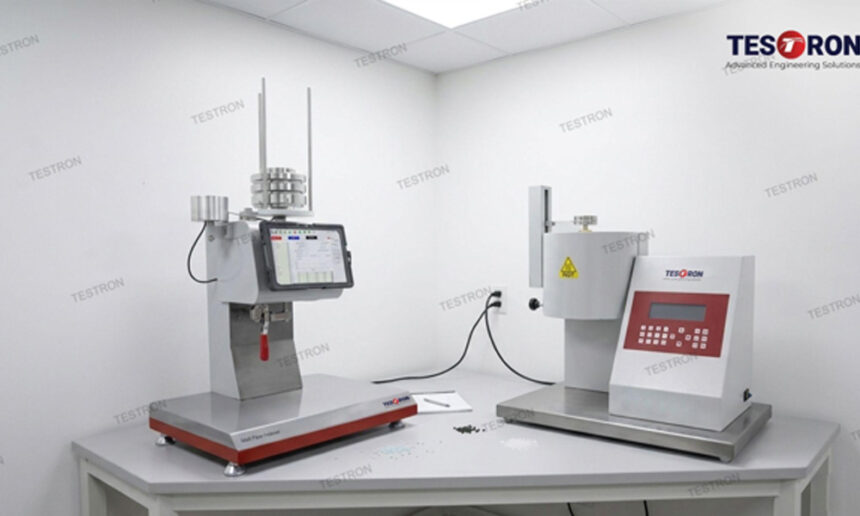
You cannot always spot that difference by looking at resin pellets. A Melt Flow Indexer in the USA gives you measurable data before the material reaches production. It helps you compare batches, check supplier claims and predict processing behavior.
For manufacturers of pipes, packaging, automotive parts and consumer products, this early check can save time, reduce waste and support better decisions.
Let us study it in detail by reading the guide given below:
What Melt Flow Testing Tells You
Melt flow testing measures the flow rate of a thermoplastic through a specific opening under controlled temperature and pressure conditions. Results of this testing are expressed in terms of melt mass flow rate (MFR) or melt volume flow rate (MVR).
A melt flow index tester in the USA indicates if one batch of resin behaves differently from another. It can also show the effects of fillers, recycled content, additives or molecular changes.
The test does not only label a polymer as good or bad. It gives you a clear number to compare with an approved specification, a supplier certificate or a previous set result.
Where Flow Problems Affect Production
Different industries feel the effect of inconsistent melt flow in different ways. In injection molding, resin that flows too quickly or slowly may affect cavity filling, cycle settings, surface finish and part dimensions. Your team may spend extra time adjusting pressure and temperature.
In extrusion, changes in flow can affect output stability, wall thickness and surface quality. It matters when you produce films, profiles, sheets or continuous plastic products.
Pipe manufacturers also need consistent behavior of raw materials. A melt flow index apparatus can support incoming material checks before wider testing. You can combine this data with pipe testing equipment to build a stronger quality-control process for thermoplastic pipes.
Packaging manufacturers use the same information to support repeatable production of bottles, closures, containers and molded parts.
A Practical Testing Workflow
Reliable results depend on a controlled routine. Your melt flow index equipment should be used with the same care for every sample.
A practical workflow includes:
- Condition and prepare the polymer sample.
- Clean the barrel, die and piston.
- Select the correct test temperature and load.
- Add the sample without trapping excess air.
- Let the material reach the required condition.
- Measure MFR, MVR or both.
- Compare the result with the approved range.
- Record the data for batch and supplier tracking.
Small details matter. Dirty components, incorrect loading, poor timing or unstable temperature can change the result. A clear method helps your team produce data that can be trusted and repeated.
How a Melt Flow Indexer in the USA Improves Quality Control
A modern melt flow index instrument gives you useful information before problems grow.
It can help you:
- Identify off-spec resin earlier
- Compare materials from different suppliers
- Reduce trial-and-error machine adjustments
- Improve incoming material inspection
- Track virgin and recycled polymer blends
- Maintain better records for customers and audits
You can explore Testron Group’s melt flow indexer in the USA range to compare systems designed for polymer quality control, supplier evaluation, laboratory research and product development.
The value extends beyond the result. It gives you confidence to accept, reject, investigate or adjust a material before it affects production.
Choosing the Right System for Your Application
The right melt flow index machine should fit your materials, test methods, workload and reporting needs. Check the supported temperature range, available test loads, MFR and MVR capability, timing accuracy, automatic cutting options, data export, user controls and calibration support.
You should also consider how easy the system is to clean and operate. Complicated controls can slow routine testing, mainly when several technicians use the same melt flow index testing equipment. A simple, stable and well-supported system often delivers more long-term value than one selected only for extra features.
Comparing Purchase Price With Long-Term Value
Melt Flow Indexer price is important, but it should not be your only buying factor. The lowest quotation may not include the accessories, calibration support, training or reporting tools your laboratory needs.
Melt Flow Indexer cost also includes maintenance, operator time, spare parts and the impact of unreliable results. Look at the full value. A dependable instrument can reduce repeated tests, material waste, production delays and avoidable supplier disputes.
Why Your Equipment Partner Matters
A reliable Melt Flow Indexer manufacturer should help you select the right model, understand the test method and set up the system correctly.
Your Melt Flow Indexer supplier should also provide documentation, accessories, calibration guidance and after-sales help. These services matter because polymer testing is not a one-time purchase. It is part of your ongoing quality process.
Build Better Polymer Quality From the First Test
A Melt Flow Indexer in the USA helps you understand material behavior before it reaches full production. That means better decisions, more stable processing and fewer avoidable quality issues.
Get a quote from Testron Group and choose a testing system that fits your polymer application and goals.