Introduction
Windows are an essential part of every building because they provide natural light, ventilation, security, and protection from outdoor conditions. Beyond their basic function, well-designed windows contribute significantly to energy efficiency, indoor comfort, and the overall appearance of a property. Over time, older or damaged windows can create problems such as drafts, heat loss, moisture issues, and increased energy expenses. Replacing outdated windows with modern solutions can improve both the performance and appearance of a home or commercial building.
A successful window replacement project requires careful planning, accurate measurements, quality materials, and skilled workmanship. While windows may appear simple in design, proper fitting and installation are crucial for achieving long-lasting results. Even high-quality windows may fail to perform effectively if they are installed incorrectly. Professional services help ensure that windows are properly sealed, aligned, and secured.
Choosing professional window installation allows property owners to improve insulation, enhance security, reduce maintenance needs, and increase property value. Understanding the installation process, available options, benefits, and maintenance requirements helps homeowners make informed decisions when upgrading their windows.
The Importance of Quality Windows
Windows serve several important purposes beyond allowing light into a building. They create a connection between indoor and outdoor spaces while helping regulate temperature and airflow. High-quality windows improve comfort by reducing unwanted drafts and maintaining more consistent indoor conditions.
Poorly performing windows can negatively affect energy efficiency. Gaps, damaged seals, and outdated materials may allow heated or cooled air to escape, forcing heating and cooling systems to work harder. This increased workload can lead to higher energy consumption and increased utility expenses.
Modern windows are designed with improved technologies that provide better insulation and durability. Features such as advanced glass options, insulated frames, and improved sealing systems help reduce energy loss and improve overall performance. Investing in quality windows can provide long-term benefits by creating a more comfortable and efficient living environment.
Benefits of Professional Window Installation
Professional installation provides several advantages compared with attempting a window project without specialized knowledge. Proper installation requires accuracy, experience, and attention to detail to ensure the windows function correctly.
One of the biggest benefits is improved energy efficiency. Professional installers ensure that windows fit properly and that all gaps are sealed effectively. This helps prevent air leakage and improves indoor temperature control.
Another advantage is enhanced security. Properly installed windows provide stronger protection because they are securely fitted and aligned with locking systems. This improves safety and gives property owners greater confidence.
Professional installation also helps prevent future problems. Incorrectly installed windows may experience issues such as water leaks, condensation, poor operation, or structural damage. Skilled installers follow appropriate techniques to reduce these risks and extend the lifespan of the windows.
In addition, professional work saves time and effort. Installing windows involves specialized tools and knowledge, and mistakes can lead to costly repairs. Experienced professionals complete the process efficiently while maintaining quality standards.
Understanding the Window Installation Process
The installation process begins with careful assessment and preparation. Professionals inspect the existing window openings, evaluate structural conditions, and determine the best approach for replacement or new installation.
Accurate measurements are one of the most important steps. Proper sizing ensures that the new windows fit correctly and perform as expected. Incorrect measurements can create gaps, alignment issues, and reduced efficiency.
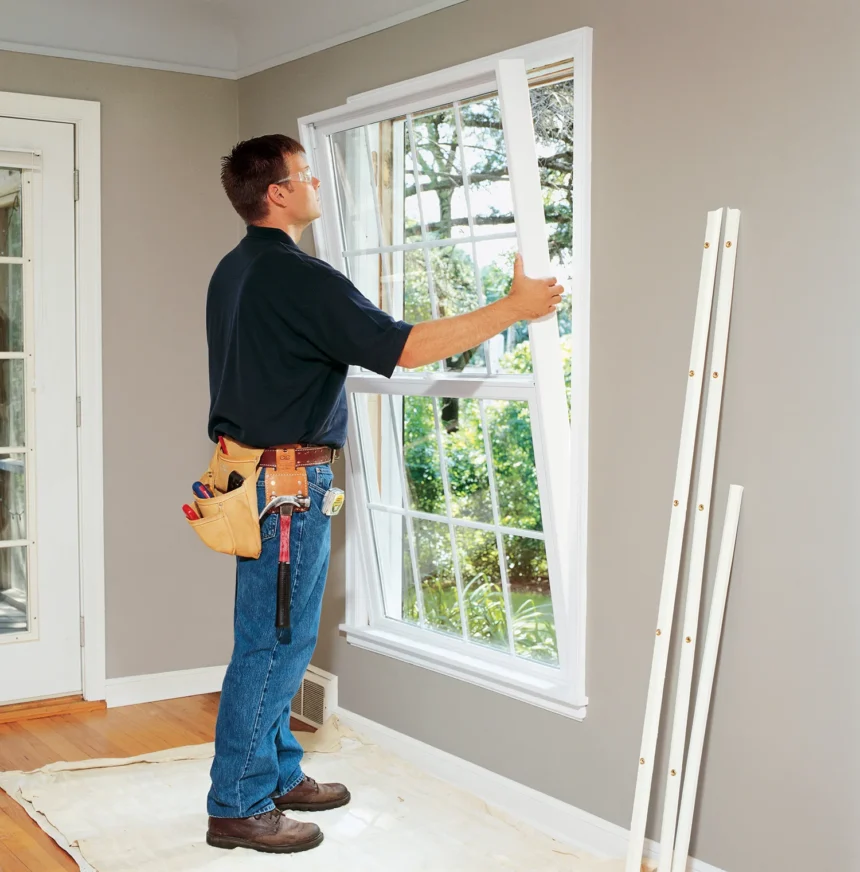
Before installation begins, old windows and damaged materials are carefully removed. The surrounding area is prepared to create a clean and stable surface for the new windows. Any necessary repairs are completed before the replacement units are installed.
During installation, professionals carefully position the windows, secure them properly, and apply suitable sealing materials. Proper insulation and weatherproofing are essential to prevent air and moisture problems.
After installation, the windows are tested to ensure smooth operation. Installers check opening mechanisms, locks, seals, and overall alignment. A final inspection confirms that the project meets quality expectations.
Different Types of Windows Available
Property owners have many window options to choose from, each offering different advantages. Understanding the available styles helps in selecting the right solution based on design preferences, performance needs, and budget.
Casement windows are popular because they provide excellent ventilation and a tight seal when closed. They open outward and are often valued for their energy efficiency.
Sliding windows are convenient and easy to operate. They are commonly chosen for spaces where simple operation and modern appearance are desired.
Double-hung windows offer flexibility because both the upper and lower sections can move. They provide good ventilation control and are widely used in many architectural styles.
Bay and bow windows create additional interior space and enhance the appearance of a building. They allow more natural light to enter and can become attractive design features.
The best choice depends on factors such as building design, climate conditions, maintenance preferences, and personal style.
How New Windows Improve Energy Efficiency
Energy efficiency is one of the most important reasons many property owners choose to replace old windows. Older windows often have poor insulation and weak seals, allowing indoor air to escape and outdoor temperatures to affect interior comfort.
Modern window systems are designed to minimize heat transfer. Advanced glass technologies and insulated frames help maintain more stable indoor temperatures throughout the year.
By reducing energy loss, efficient windows can lower the demand on heating and cooling systems. This may result in improved comfort and reduced energy expenses over time.
Energy-efficient windows also support environmentally responsible building practices by reducing unnecessary energy consumption. Choosing better-performing windows is an investment that benefits both the property and long-term sustainability goals.
Factors to Consider Before Installing New Windows
Selecting the right windows requires consideration of several important factors. The first consideration is the purpose of the replacement. Some homeowners may prioritize energy savings, while others may focus on appearance, security, or easier maintenance.
Material selection is another important factor. Common window frame materials include vinyl, wood, aluminum, and composite options. Each material offers different advantages in terms of durability, appearance, and maintenance requirements.
Glass type also affects performance. Features such as multiple panes, protective coatings, and improved insulation technologies can significantly influence energy efficiency and comfort.
Budget planning is essential as well. While high-quality windows may require a larger initial investment, they often provide better long-term value through improved performance and reduced maintenance needs.
Professional advice can help property owners choose options that provide the best combination of quality, appearance, and functionality.
Common Window Installation Mistakes
Many problems associated with windows occur because of poor installation practices. Understanding common mistakes helps property owners recognize the importance of professional workmanship.
One common mistake is inaccurate measuring. Even small measurement errors can prevent windows from fitting correctly, leading to air leaks and operational problems.
Another issue is inadequate sealing. Proper sealing is necessary to prevent moisture intrusion and maintain energy efficiency. Poor sealing can result in drafts, water damage, and reduced performance.
Skipping preparation work is another mistake that affects results. Installing new windows without addressing damaged surrounding areas can create future complications.
Using unsuitable materials or incorrect installation methods can also reduce the lifespan of windows. Professional installers have the knowledge needed to avoid these problems and ensure reliable performance.
Maintenance Tips for Long-Lasting Windows
Regular maintenance helps preserve the appearance and functionality of windows. Although modern windows are designed for durability, proper care ensures they continue performing effectively.
Cleaning window glass and frames regularly prevents buildup of dirt and debris. Gentle cleaning methods help protect surfaces and maintain appearance.
Checking seals and weatherstripping periodically is also important. Damaged seals should be repaired to prevent air leakage and moisture problems.
Moving parts such as hinges, locks, and tracks may require occasional care. Keeping these components clean and properly maintained helps ensure smooth operation.
Professional inspections can also be beneficial, especially for older windows. Early identification of problems allows property owners to address issues before they become more expensive.
Increasing Property Value Through Window Upgrades
Window improvements can significantly enhance the value and appeal of a property. Modern windows create a cleaner appearance and improve both interior and exterior aesthetics.
Potential buyers often consider energy efficiency, maintenance requirements, and overall condition when evaluating a property. High-quality windows demonstrate careful maintenance and can make a building more attractive.
Improved comfort is another advantage. Better insulation, reduced drafts, and improved natural lighting contribute to a more enjoyable living environment.
Because windows affect both appearance and performance, upgrading them can be a valuable investment that provides benefits beyond simple visual improvement.
Conclusion
Windows are an important feature of any property, influencing comfort, efficiency, security, and appearance. Choosing quality products and ensuring proper installation are essential steps for achieving long-lasting results.
Professional window installation provides homeowners with improved energy efficiency, better protection, and greater confidence in their investment. From accurate measurements and proper sealing to expert fitting and final inspections, every stage of the process contributes to successful performance.
By selecting suitable window styles, maintaining them regularly, and relying on skilled professionals, property owners can enjoy improved comfort and lasting value. Modern windows offer an effective way to enhance buildings while creating more efficient and attractive spaces for the future.