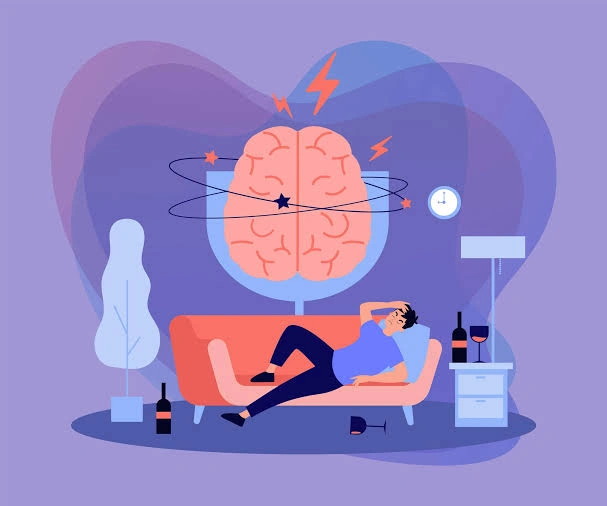
Most people know that quitting drugs or alcohol is hard. What fewer people understand is exactly why it is hard on a physiological level, and what a structured detox program actually does to help the body through it. The first few days after stopping a substance can range from deeply uncomfortable to genuinely dangerous, depending on the substance, the duration of use, and the individual’s overall health. Knowing what to expect, before it happens, makes the process far less frightening.
This article breaks down the science of withdrawal, the typical timeline for common substances, what medical supervision looks like in practice, and the factors that determine how long detox takes. Whether you are researching for yourself or trying to understand what a loved one is facing, the goal here is clarity.
Why the Body Struggles When a Substance Is Removed
The brain is an adaptation machine. When a person uses alcohol, opioids, benzodiazepines, or stimulants regularly, the brain recalibrates its own chemistry around the presence of that substance. Neurotransmitter systems shift. Receptor sensitivity changes. The brain, in effect, learns to function with the drug as part of its baseline.
When the substance is suddenly removed, those recalibrated systems are exposed. The brain is no longer receiving the external input it had come to depend on, but its own chemistry has not yet returned to its pre-use state. That gap is what produces withdrawal symptoms. Some systems swing toward hyperactivity, producing anxiety, rapid heart rate, or seizures. Others produce the opposite, leaving a person exhausted, depressed, and unable to feel pleasure.
The severity of this process depends heavily on how long a person has been using, how much they were using, and their individual neurochemistry. Two people who drank the same amount for the same number of years can have meaningfully different withdrawal experiences. That unpredictability is one of the core reasons medical supervision is not optional for many people.
Withdrawal Timelines: What to Expect by Substance
Withdrawal does not look the same across substances. The onset, peak intensity, and duration vary significantly. The table below outlines general timelines based on clinical research. Individual experiences will vary.
| Substance | Onset of Symptoms | Peak Intensity | General Duration |
| Alcohol | 6 to 24 hours after last drink | 24 to 72 hours | 5 to 7 days; PAWS can persist longer |
| Short-acting opioids (heroin) | 8 to 24 hours after last use | 36 to 72 hours | 5 to 10 days |
| Long-acting opioids (methadone) | 24 to 48 hours after last dose | 72 to 96 hours | 2 to 3 weeks |
| Benzodiazepines (short-acting) | 1 to 2 days after last dose | 2 to 4 days | Up to 2 weeks |
| Benzodiazepines (long-acting) | 2 to 7 days after last dose | 1 to 2 weeks | Weeks to months |
| Stimulants (cocaine, meth) | Hours to 1 day after last use | 1 to 3 days (crash) | 1 to 2 weeks acute; PAWS months |
PAWS stands for Post-Acute Withdrawal Syndrome, a prolonged phase of subtler symptoms that can follow the acute phase. These often include mood instability, sleep problems, difficulty concentrating, and low energy. PAWS is not dangerous the way acute alcohol or benzo withdrawal can be, but it is a real and often underestimated part of early recovery.
The Medical Risks That Make Professional Detox Necessary
Not all withdrawal is life-threatening. Opioid withdrawal, for example, is intensely uncomfortable and carries serious risks related to dehydration and relapse, but it rarely causes death directly in otherwise healthy adults. Alcohol and benzodiazepine withdrawal are a different story.
Alcohol withdrawal can produce a condition called delirium tremens, or DTs, in a subset of heavy drinkers. The National Institute on Alcohol Abuse and Alcoholism notes that roughly 3 to 5 percent of people experiencing alcohol withdrawal will develop DTs, which can include seizures, severe confusion, hallucinations, and dangerous cardiovascular instability. Without treatment, DTs carry a mortality rate that has historically been estimated as high as 37 percent, though modern medical management has reduced that figure substantially.
Benzodiazepine withdrawal carries similar risks for people who have been using high doses for extended periods. The shared mechanism, both substances act on GABA receptors, explains why both can produce seizures during withdrawal.
Medical detox programs are equipped to monitor vital signs continuously, administer medications to reduce seizure risk, manage complications as they arise, and keep patients hydrated and nourished during a period when many people cannot eat or drink comfortably. That level of monitoring can quite literally be the difference between a managed transition and a medical emergency.
What Actually Happens Inside a Medical Detox Program
Medical detox is not simply a bed in a clinical setting. It is a structured clinical process. The specifics vary by facility, but the general arc is consistent.
Assessment and Intake
On arrival, a clinical team conducts a thorough assessment. This includes a physical exam, a review of medical history, labs, and a structured interview about substance use history. Tools like the Clinical Institute Withdrawal Assessment for Alcohol, known as CIWA-Ar, help clinicians score the severity of withdrawal and determine what level of intervention is appropriate. This initial assessment shapes everything that follows.
Medication-Assisted Management
Medications play a central role in modern detox. For alcohol withdrawal, benzodiazepines like diazepam or lorazepam are commonly used to prevent seizures and reduce symptom severity. For opioid withdrawal, medications such as buprenorphine or clonidine can ease the physical symptoms significantly. Some programs use a tapering approach, gradually reducing the dose of a longer-acting version of the problematic substance over days. Others use symptom-triggered protocols where medications are given based on real-time assessment scores.
Monitoring and Stabilization
Vital signs are checked regularly, sometimes every few hours during the acute phase. Nurses assess symptom severity, watch for complications, and adjust medication protocols accordingly. Hydration is supported, sleep is encouraged, and nutritional needs are addressed. The physical environment is typically calm and low-stimulation to reduce the sensory overload that withdrawal often produces.
Transition Planning
Detox is the beginning of treatment, not the whole of it. Reputable programs use the detox period to connect patients with the next level of care, whether that is residential treatment, an intensive outpatient program, or another structured pathway. The Detox Center of Nashville is one example of a facility that addresses both the physical stabilization component and the transition into continued treatment planning, reflecting a broader understanding that safe withdrawal management is only the first step.
Factors That Influence How Long Detox Takes
People frequently ask how long detox will take. The honest answer is that it depends. Several variables interact to determine duration.
- Substance type: substances with longer half-lives, like methadone or long-acting benzodiazepines, produce withdrawal that begins later and lasts longer.
- Duration and quantity of use: someone who has been drinking heavily for 20 years will likely have a more prolonged withdrawal than someone who has been drinking heavily for 6 months.
- Polysubstance use: using multiple substances simultaneously complicates the withdrawal picture because multiple systems are affected at once.
- Co-occurring medical conditions: liver disease, heart conditions, or nutritional deficiencies common in heavy drinkers can slow the process.
- Mental health: anxiety disorders, PTSD, and depression can amplify withdrawal symptoms and complicate stabilization.
- Age and general health: older patients and those in poorer overall health tend to require more time and closer monitoring.
Clinically managed detox programs account for these variables. A person who is otherwise young and healthy and withdrawing from a short course of opioid use may be medically stable in three or four days. Someone withdrawing from decades of heavy alcohol use with underlying liver issues might need a week or more of close monitoring. There is no universal timeline that applies to everyone.
Common Misconceptions About Detox
A few persistent myths about detox are worth addressing directly, because they sometimes prevent people from seeking help or set inaccurate expectations.
- Detox alone equals recovery. Medical detox addresses physical dependence. It does not address the psychological, behavioral, and social dimensions of addiction. Research consistently shows that detox without follow-up treatment carries high relapse rates. The Substance Abuse and Mental Health Services Administration has long emphasized that detox is a first step, not a standalone solution.
- Willpower should be enough to get through withdrawal. Withdrawal from certain substances triggers physiological processes that willpower cannot override. Telling someone to simply push through alcohol withdrawal without medical support is not motivational; it is medically uninformed.
- Detox is the same as treatment. These terms are often conflated in public conversation, but they describe different phases of care. Detox is about physical stabilization. Treatment addresses the underlying patterns and root causes.
- Home detox is always an option. For mild cases, some people do manage withdrawal at home under the guidance of a physician. For alcohol or benzodiazepine dependence at any significant level, attempting to detox at home without medical supervision is genuinely dangerous.
After Acute Detox: What the Research Says About Next Steps
The period immediately following detox is one of the highest-risk windows for relapse. The brain has not yet fully recalibrated, and the psychological pull toward substance use is often strongest precisely when the physical symptoms have subsided and a person feels well enough to make decisions again.
Research published in journals including Drug and Alcohol Dependence has found that individuals who transition directly from detox into residential or intensive outpatient treatment have significantly better outcomes than those who leave without a structured plan. The strength of that transition, meaning how quickly it happens and how well it is coordinated, appears to matter as much as the type of treatment that follows.
Medication-assisted treatment, particularly for opioid use disorder, also substantially improves long-term outcomes when continued after detox. Medications like buprenorphine and naltrexone reduce cravings, lower relapse risk, and are associated with reduced overdose mortality. The stigma around these medications has decreased in recent years, but it has not disappeared entirely, and that stigma still causes some people to decline treatments that have strong clinical evidence behind them.
Understanding the detox process, physically, medically, and temporally, helps demystify what is often the most feared part of seeking help for addiction. The discomfort is real, but it is finite. The risks are manageable with proper support. And getting through that first phase opens the door to the longer, more meaningful work of sustained recovery.