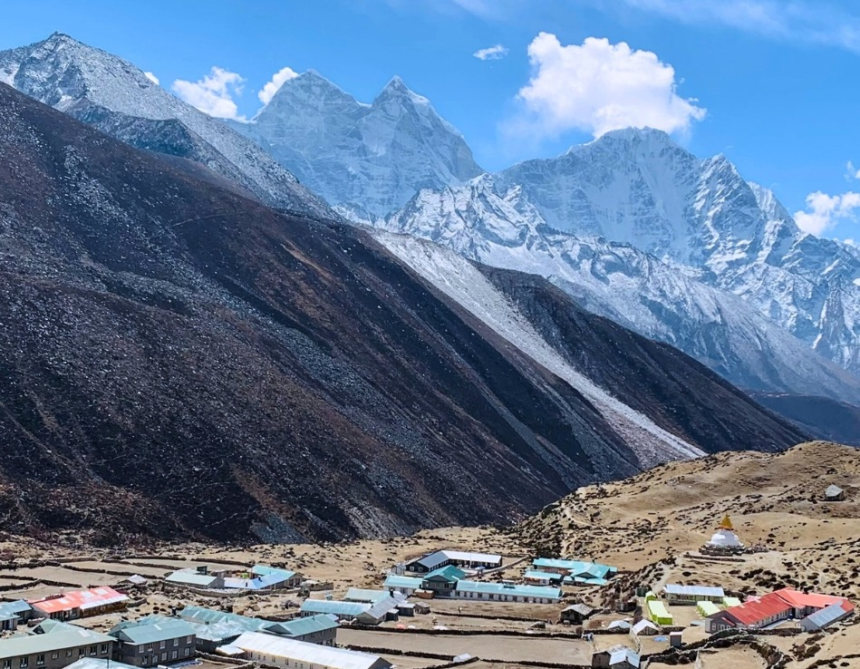
Most people who want to trek in Nepal run into the same obstacle before they even book a flight: time. A classic Everest Base Camp trek can run close to two weeks, and not everyone can clear that much space in a work calendar. This is exactly why shorter itineraries have become so popular over the past few years. The Short Annapurna Base Camp Trek, the Everest Base Camp Short Trek, and the Everest Base Camp Heli Return Trek were all designed around the same idea — get trekkers into genuine high-mountain terrain without demanding a month of leave.
Each of these three routes solves the time problem in a different way. The Short Annapurna Base Camp Trek shortens the walking days themselves through a more direct route into the Annapurna Sanctuary. The Everest Base Camp Short Trek compresses the standard Khumbu itinerary while still respecting acclimatization. The Everest Base Camp Heli Return Trek keeps the full walk in one direction but replaces the multi-day return hike with a scenic helicopter flight back to Kathmandu.
This guide compares all three treks side by side — route, difficulty, cost, season, and who each one actually suits — so you can match your available days, fitness level, and budget to the right Himalayan adventure.
A Quick Comparison of Nepal’s Best Short Himalayan Treks
Before getting into the details of each route, it helps to see how they stack up against each other at a glance.
| Trek | Duration | Maximum Altitude | Difficulty | Return Method | Best For |
| Short Annapurna Base Camp Trek | 5–7 days | ~4,130 m (Annapurna Base Camp) | Moderate | On foot | Travelers with limited time who still want a full Sanctuary experience |
| Everest Base Camp Short Trek | 8–10 days | ~5,364 m (Kala Patthar) | Moderate to Challenging | On foot | Trekkers wanting the classic EBC route in a tighter schedule |
| Everest Base Camp Heli Return Trek | 7–9 days | ~5,364 m (Kala Patthar) | Moderate to Challenging | Helicopter (one way) | Trekkers wanting the full EBC walk without a long descent |
The Short Annapurna Base Camp Trek is the fastest of the three and generally the easier one physically, since it reaches a lower maximum altitude and involves fewer high-altitude nights. The Everest Base Camp Short Trek keeps the traditional route intact on both ends but trims rest days and side excursions to fit a shorter window, so it still demands solid acclimatization discipline. The Everest Base Camp Heli Return Trek follows the same trail up to Base Camp and Kala Patthar, but instead of retracing the walk downhill over several days, trekkers fly back from Gorakshep or a nearby helipad, cutting real time off the trip and easing strain on tired legs.
How to Choose the Right Short Trek in Nepal
The right choice usually comes down to a handful of practical factors rather than which trek “sounds” more impressive.
Start with how many days you can actually spend in Nepal, including arrival and departure buffer. With a week or less, the Short Annapurna Base Camp Trek is usually the more realistic option. With nine to twelve days, either Everest route becomes workable.
Fitness matters more than trekking experience. All three routes involve consecutive days of walking at altitude, but Everest Base Camp routes reach higher elevations and carry greater altitude-related risk than the Annapurna Sanctuary. Trekkers with slower recovery from exertion may find Annapurna more forgiving.
Budget is another real factor: the heli return adds cost for the flight itself, so it suits travelers prioritizing time and comfort over saving money. Scenic preference matters too — Annapurna offers closer, enclosed mountain walls and rhododendron forest, while Everest routes offer wider valleys, Sherpa culture, and the world’s highest peaks. Finally, consider whether you’d rather spend remaining trip days on further sightseeing in Kathmandu or Pokhara, since a heli return frees up extra days for that.
Why Short Himalayan Treks Have Become So Popular
The appeal of shorter itineraries isn’t just about convenience — it reflects a real shift in how people plan trekking holidays. Many international trekkers now have limited annual leave, particularly those traveling from countries where two or three weeks off work is difficult to arrange. A trek that fits into eight or nine days, flights included, is simply more compatible with modern work schedules than the traditional three-week Everest circuit.
Logistics have also improved. Better domestic flight connections to Lukla and Pokhara, more reliable teahouse infrastructure, and clearer permit systems have made it easier to plan a shorter, well-paced itinerary without sacrificing safety. Trekkers no longer need to build in as many buffer days for transport delays as they once did, though weather-related delays still happen and should be planned for.
Shorter treks also give people genuine high-altitude experiences without the extended physical toll of the classic itineraries. Operators such as Escape Himalaya have responded to this demand by offering condensed versions of their standard packages, reflecting how mainstream the shorter format has become. For many travelers, these trips strike a workable balance: real mountain trekking, real cultural exposure, and a real sense of accomplishment, all within a schedule that fits alongside work and family commitments.
Short Annapurna Base Camp Trek: Route, Highlights and What to Expect
The Short Annapurna Base Camp Trek typically begins with a drive from Pokhara to Nayapul or a nearby trailhead, from which the route climbs through Gurung and Magar villages such as Ghandruk or Jhinu Danda. From there, the trail enters dense forest — much of it rhododendron and bamboo — before reaching the narrower Modi Khola valley that leads toward the Annapurna Sanctuary. The final approach passes through Deurali and Machhapuchhre Base Camp before reaching Annapurna Base Camp, set inside a natural amphitheater of peaks.
The trek’s defining feature is the sudden shift in scenery once you enter the Sanctuary — steep forested slopes give way to an open glacial basin ringed by Annapurna I, Annapurna South, Machhapuchhre, and several other peaks over 7,000 meters. Sunrise from Base Camp, when the surrounding walls catch early light, is one of the most photographed moments in Nepal trekking. Along the lower trail, Gurung villages offer a look at local architecture, stone stairways, and, in some itineraries, a stop at natural hot springs near Jhinu Danda, which many trekkers use to ease sore legs.
Who Should Choose This Trek?
This route suits travelers with limited time, first-time high-altitude trekkers, and anyone who wants a strong Himalayan experience without the elevation risks associated with Everest region trekking. It also works well for those combining trekking with other activities in Pokhara.
Everest Base Camp Short Trek: Is a Faster Journey Still Worth It?
The Everest Base Camp Short Trek begins with the well-known mountain flight from Kathmandu to Lukla, one of the more dramatic airstrip approaches in commercial aviation. From there, the itinerary compresses the standard route by trimming extra rest days and side excursions while keeping essential acclimatization stops intact — this is not a trek where altitude days should be skipped, since Base Camp itself sits above 5,300 meters at nearby viewpoints. A well-designed short itinerary still builds in at least one dedicated acclimatization day, usually at Namche Bazaar.
The route passes through Namche Bazaar, the main trading hub of the Khumbu region, before climbing to Tengboche, home to one of the most significant Buddhist monasteries in the Everest region and a wide-open view of Ama Dablam. Further along, Dingboche offers a stark, high-altitude landscape and another chance to acclimatize before pushing on to Gorakshep, the last settlement before Everest Base Camp itself. Many itineraries also include a climb to Kala Patthar, a viewpoint that offers a more complete view of Everest’s summit than Base Camp does.
Ideal Trekker Profile
This shorter version suits trekkers who have some prior hiking experience, reasonable cardiovascular fitness, and comfort with multi-day exertion at altitude. It is not typically the best starting point for someone with no trekking background at all, given the compressed acclimatization schedule.
Everest Base Camp Heli Return Trek: Trek One Way, Fly Back in Comfort
This itinerary follows the same walking route as the standard Everest Base Camp trek on the way up — Lukla, Namche Bazaar, Tengboche, Dingboche, and on to Gorakshep. After reaching Everest Base Camp and, in most itineraries, Kala Patthar for sunrise views, trekkers board a helicopter, usually from Gorakshep or Pheriche depending on weather and operator scheduling, and fly directly back toward Kathmandu, often with a stop in Lukla or Kathmandu for refueling.
The most obvious benefit is time. Skipping several days of downhill walking can shorten the overall trip by two to four days compared with a standard round-trip itinerary. It also reduces physical strain, since the descent is often where fatigue and joint stress catch up with trekkers after days of ascent. The flight itself adds a different kind of value: an aerial view of the Khumbu valley, glaciers, and peaks that most trekkers otherwise never see from that angle. For many, it also makes recovery easier, arriving back in Kathmandu with more energy for the final days of a trip rather than limping in exhausted.
Is It Worth the Extra Cost?
The heli return adds cost on top of a standard trekking package, largely due to helicopter charter or seat-share pricing and dependence on weather clearance. For trekkers with flexible budgets who value time and reduced physical toll, it is generally a reasonable trade-off. For budget-conscious travelers who aren’t short on days, the standard walking itinerary remains the more economical choice.
Trek Difficulty Comparison
| Factor | Short Annapurna Base Camp | Everest Base Camp Short Trek | Everest Base Camp Heli Return |
| Duration | 5–7 days | 8–10 days | 7–9 days |
| Daily Walking Hours | 4–6 hours | 5–7 hours | 5–7 hours (uphill only) |
| Highest Altitude | ~4,130 m | ~5,364 m | ~5,364 m |
| Technical Difficulty | Low to Moderate | Moderate | Moderate |
| Altitude Risk | Lower | Higher | Higher (ascent only) |
| Recommended Experience | Beginner-friendly | Some trekking experience preferred | Some trekking experience preferred |
The core difference between the two Everest itineraries isn’t the walk up — it’s identical — but the physical demand of the return. Because the heli return removes the descent, overall fatigue and cumulative strain tend to be lower, even though the daily difficulty while ascending is the same.
Best Time to Plan These Short Treks
Spring Season
March through May is one of the two peak windows for all three treks. Rhododendron forests bloom along the Annapurna route during this period, and mountain visibility is generally good, particularly in April.
Autumn Season
September through November is widely regarded as the most stable season for Himalayan trekking, with clear skies, moderate temperatures, and well-maintained trails following the monsoon. This is typically the busiest period for both Everest and Annapurna routes, so teahouse bookings and flight seats can fill up early.
Winter and Monsoon Considerations
Winter (December to February) brings colder temperatures and possible snow at higher elevations, which can affect trail conditions and, at times, Lukla flight schedules. It remains trekkable on lower routes like Annapurna Base Camp but requires proper cold-weather gear. Monsoon season (June to August) brings rain, leech-prone trails, and reduced mountain visibility, particularly on the Annapurna side, and is generally not recommended unless the itinerary is specifically adjusted for it.
Permits, Transportation and Trip Planning Essentials
Required Permits
Both regions require entry permits — a TIMS card and Annapurna Conservation Area Permit for the Annapurna route, and a Sagarmatha National Park entry permit along with a local Khumbu Pasang Lhamu Rural Municipality permit for the Everest region. Permit fees and specific requirements have changed in recent years and may change again, so current rules should always be confirmed close to your travel dates.
Transportation Options
Access to Annapurna typically starts with a drive or short flight to Pokhara, followed by a drive to the trailhead. Access to the Everest region depends on the Kathmandu–Lukla flight, which is weather-dependent and occasionally delayed or rerouted through Manthali airport during peak season.
Accommodation and Meals
Both regions rely on teahouse-style lodges offering basic private or shared rooms and set meal menus, with more amenities available at lower elevations and simpler facilities higher up. Transportation schedules, permit fees, and accommodation costs are all subject to change, so travelers should verify current details with a trekking operator or official park authority before finalizing plans.
Estimated Cost Comparison
| Trek | Approx. Duration | Main Inclusions | Typical Cost Range | Best Value For |
| Short Annapurna Base Camp Trek | 5–7 days | Permits, guide, teahouse lodging, meals on trek | Lower end of the three | Budget-conscious, time-limited trekkers |
| Everest Base Camp Short Trek | 8–10 days | Lukla flights, permits, guide, teahouse lodging, meals | Mid-range | Trekkers wanting the classic EBC route affordably |
| Everest Base Camp Heli Return Trek | 7–9 days | Lukla flight in, helicopter return, permits, guide, lodging | Highest of the three | Trekkers prioritizing time and comfort |
These figures are approximate and vary considerably by operator, season, group size, and included services. Helicopter pricing in particular fluctuates with fuel costs and weather-related availability, so it’s worth requesting an updated quote rather than relying on older published figures.
Practical Tips Before Booking a Short Trek
- Build in general cardiovascular and leg-strength preparation for several weeks before departure.
- Pack layered clothing, a good sleeping bag rated for high-altitude nights, and broken-in trekking boots.
- Purchase travel insurance that specifically covers high-altitude trekking and, if relevant, helicopter evacuation.
- Learn the basic symptoms of altitude sickness and take acclimatization days seriously, even on a shortened itinerary.
- Add at least one buffer day to your overall trip in case of flight delays, especially around Lukla.
- Choose an itinerary that matches your actual fitness and available time rather than the shortest option on paper.
Final Thoughts: Which Short Nepal Trek Should You Choose?
If your main constraint is time and you want the most efficient route into serious mountain scenery, the Short Annapurna Base Camp Trek is hard to beat. If you’re set on reaching Everest Base Camp itself and want to keep costs closer to a standard package, the Everest Base Camp Short Trek delivers the classic route in a tighter window. If comfort, recovery, and saving extra days matter more than budget, the Everest Base Camp Heli Return Trek offers the same summit-area experience with a faster, easier way back down.
There’s no single “best” choice among these three — only the one that fits your schedule, fitness, and priorities. Whichever route you choose, all three prove that a genuine Himalayan trekking experience no longer requires a month away from home.
Frequently Asked Questions
Which short trek is best for beginners?
The Short Annapurna Base Camp Trek is generally the more approachable option for first-time trekkers, thanks to its lower maximum altitude and shorter daily walking hours.
Can I complete Everest Base Camp in under two weeks?
Yes. Both the Everest Base Camp Short Trek and the Everest Base Camp Heli Return Trek are designed to fit within roughly eight to ten days on the ground, though total trip length including international flights will run longer.
Is the helicopter return safe?
Helicopter operations in the Everest region are routine and widely used for trekking returns and emergency evacuations, but flights are weather-dependent and can be delayed or rescheduled for safety.
Which trek offers better mountain views?
This depends on preference. The Annapurna Sanctuary offers close, enclosed panoramas, while the Everest routes offer wider high-altitude landscapes and views of the world’s highest peaks, including from Kala Patthar.
What is the biggest challenge on these short treks?
Altitude adjustment is typically the biggest challenge, particularly on the Everest routes, where a compressed schedule leaves less room for extra rest days if symptoms appear.
When should I book my trek?
Booking two to three months ahead is advisable for peak spring and autumn dates, particularly for the heli return option, since helicopter seats and popular teahouse rooms can fill up quickly.
Can these itineraries be customized?
Most operators allow itinerary adjustments, such as adding rest days, altering the return route, or combining a trek with additional sightseeing in Kathmandu or Pokhara.