Highway billboards often work best for broad awareness, commuter repetition, tourism, and location-based reminders. Urban billboards are usually better for dense foot traffic, neighborhood targeting, entertainment districts, and campaigns that benefit from proximity to stores, venues, or events.
Comparing both formats side by side is easier with a platform like AdQuick, which gives advertisers visibility into information across placements before committing.
At the end of the day, the right choice comes down to audience behavior. Where are your customers going? How quickly are they moving? What are they thinking about when they see the message? A billboard works harder when its placement matches how people actually move through a market.
Highway Billboards Offer Scale and Repetition
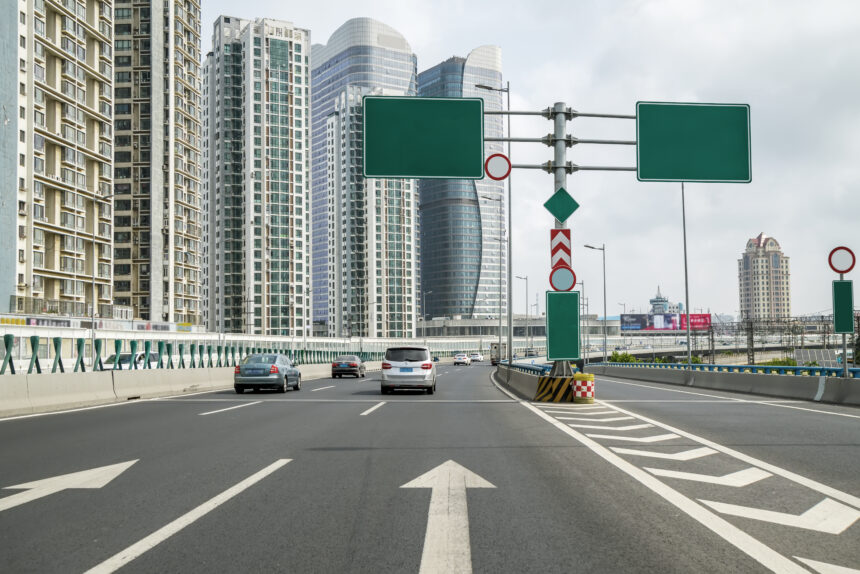
Highway billboards are built for reach. They appear along interstates, commuter roads, airport routes, and major regional corridors where thousands of drivers pass every day. For companies that want broad market visibility, this can be a strong advantage.
A highway board can help a brand become familiar through repeated exposure. Commuters may pass the same ad several times a week, which can build recognition over time. This is especially useful for campaigns focused on awareness, brand recall, seasonal promotions, or regional presence.
Urban Billboards Reach People Closer to Action
Urban billboards are different because they often appear in denser environments. These placements may reach drivers, pedestrians, transit riders, cyclists, rideshare passengers, shoppers, students, or nightlife crowds. People may move more slowly, stop at intersections, wait for transit, or pass the same area while walking.
That makes urban billboards valuable for brands that need more precise geographic targeting. A restaurant can advertise near a dining district. A retailer can promote a nearby location. An entertainment brand can show up near venues. A fitness studio, museum, clinic, or local service provider can build awareness in the neighborhoods they actually serve.
Urban placements can also support more creative formats. Wallscapes, digital screens, transit shelters, posters, and street-level displays can create a campaign that feels woven into the city. In some cases, people have more time to read or engage with the ad than they would on a highway.
Match the Format to the Campaign Goal
The best billboard choice starts with the goal. If your company wants mass awareness across a broad region, a highway billboard may be the better fit. It can put your brand in front of large audiences consistently and make your name feel familiar across the market.
If your goal is local action, neighborhood visibility, or event-driven awareness, an urban billboard may be more effective. These placements can help brands show up near the people and places that matter most.
Consider Speed, Dwell Time, and Message Complexity
Audience speed should shape the creative. Highway audiences move fast, so the ad must be easy to understand almost instantly. A logo, a short headline, a memorable visual, and a clear call to action may be enough.
Urban audiences may have more dwell time, depending on the placement. A pedestrian near a transit shelter or a driver stopped at a red light may have longer to process the message. That can allow slightly more detail, but the creative should still stay focused.
Think About Cost and Market Efficiency
Highway and urban billboards can vary widely in cost. A premium urban placement in a dense downtown area may be more expensive than a highway billboard in a smaller market. A major interstate board with heavy traffic may cost more than a neighborhood poster.
A lower-cost placement may be wasteful if it reaches the wrong audience. On the other hand, a higher-cost placement may be more efficient if it delivers strong impressions and a better match for the campaign.
A billboard advertising agency can help advertisers compare OOH inventory, markets, formats, pricing, and campaign options before committing to a placement. That kind of visibility is useful when deciding whether a highway board, an urban board, or a mix of both will provide the campaign with the greatest value.
Many Campaigns Benefit From Using Both
Some companies don’t need to choose only one. Highway and urban billboards can work together when the campaign has both awareness and action goals.
A highway board can introduce the brand to a broad audience. Urban placements can reinforce the message closer to stores, offices, campuses, venues, or neighborhoods. Together, they create multiple touchpoints across the customer’s real-world routine.
This approach works well for larger launches, regional campaigns, political messaging, healthcare awareness, tourism, universities, entertainment, and retail. The highway board builds familiarity, while the urban placement adds relevance where decisions happen.
Choose the Billboard That Matches the Journey
Your company should use highway billboards when reach, repetition, and regional visibility matter most. You should use urban billboards when local context, foot traffic, neighborhood targeting, and proximity to action are more important.
The best OOH strategy starts with the customer’s journey. Think about where your audience drives, walks, shops, commutes, gathers, and makes decisions. Then choose the billboard environment that fits that movement.