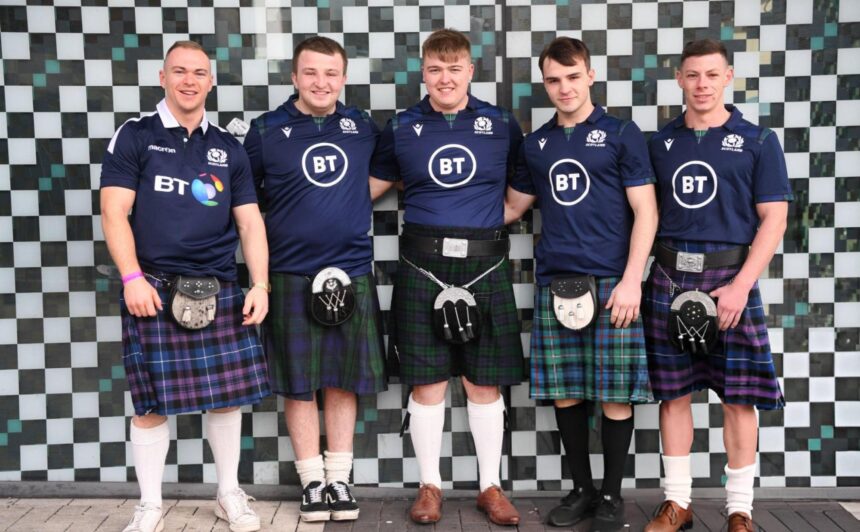
The Six Nations Rugby Championship 2026 is set to ignite passion, pride, and intense competition across Europe. Among the most anticipated fixtures is Scotland’s campaign, where the roar of bagpipes, chants of supporters, and the vibrant swirls of Scottish tartans create an unforgettable atmosphere. At the heart of this celebration of Scottish identity lies the kilt—a timeless symbol of heritage, culture, and pride.
The Six Nations isn’t just a competition; it’s an emotional rollercoaster for fans. Scottish supporters, draped in their kilts and tartans, are more than spectators—they’re participants in a cultural spectacle. Wearing a kilt to the Six Nations symbolizes unity, history, and resilience, allowing fans to proudly represent their heritage. Each tartan tells a story, linking wearers to their clan roots and reinforcing their shared identity. From pre-game parades to post-match celebrations, kilts play an integral role in preserving and showcasing Scotland’s traditions on rugby’s grandest stage.
In this article, we explore how kilts and tartans embody Scottish spirit at the Six Nations Rugby 2026, showcasing the history, significance, and styles that fans proudly wear during the tournament. From traditional clan tartans to modern interpretations, we dive deep into the cultural fabric that unites rugby and national pride.
The Six Nations Rugby – A Stage for Tradition and Passion
The Six Nations Championship is more than just a rugby competition; it’s a stage for history, pride, and tradition. Held annually, the tournament sees Scotland, England, Ireland, Wales, France, and Italy battle for glory.
For Scots, rugby is deeply intertwined with national identity. From the iconic Murrayfield Stadium in Edinburgh to away games abroad, Scottish fans make their presence known—not just through their voices but through their attire. The kilt becomes a central part of this expression, transforming stadiums into seas of tartan.
Scottish rugby is more than just a sport—it’s a cultural phenomenon. The Six Nations serves as a reminder of Scotland’s historical struggles and triumphs, uniting fans under one banner. The tournament provides an emotional outlet, where supporters dress in kilts to connect with their past and showcase pride in their nation’s resilience. Fans often gather in groups, displaying their clan tartans while singing anthems, reinforcing a sense of belonging and tradition. The energy and visual spectacle of tartans create an electric atmosphere that resonates far beyond the pitch.
Kilts – A Symbol of Scottish Identity
The Origins of the Kilt
The kilt has been a defining feature of Scottish culture since the 16th century. Originally worn by Highlanders, it was both practical and symbolic, offering warmth, freedom of movement, and a visual representation of clan loyalty through distinctive tartan patterns.
Historically, kilts represented both utility and defiance. During battles, kilts provided warriors with flexibility, while their tartans identified them as part of distinct clans. In the 18th century, kilts were banned following the Jacobite uprisings, symbolizing resistance against suppression. Their revival later showcased Scotland’s resilience and pride. Today, kilts are no longer confined to ceremonies but are an essential part of cultural celebrations like the Six Nations, serving as a tribute to Scottish history.
Kilts in Modern Scotland
Today, the kilt transcends practicality to symbolize Scottish pride and heritage. It is worn at weddings, celebrations, and sporting events, making it the perfect attire for the Six Nations Rugby Championship. Fans attending matches often don their clan’s tartan, proudly showcasing their roots and uniting in support of the Scottish rugby team.
Modern kilts are versatile, blending tradition with contemporary fashion. Fans personalize their kilts with accessories, including belts, jackets, and sporrans, adding layers of style and individuality. The kilt also bridges generational gaps, as younger fans embrace the attire to honor their heritage while making a bold fashion statement. Wearing a kilt at the Six Nations demonstrates a deep connection to cultural values and reinforces the shared identity of Scottish supporters.
Tartan Patterns – A Celebration of Clan Pride
One of the most exciting aspects of wearing a kilt to the Six Nations is the display of tartan patterns. Each tartan represents a specific Scottish clan, family, or region, adding a sense of identity and belonging to the event.
Popular Tartans Worn at Six Nations Rugby 2026
- Royal Stewart Tartan – Traditionally associated with the Royal Family, this bold red and green tartan is popular among Scottish supporters looking to make a statement.
- Black Watch Tartan – Featuring dark green and navy tones, this tartan symbolizes strength and resilience, making it a favorite among rugby fans.
- MacGregor Tartan – Known for its red and green checks, it represents one of Scotland’s oldest clans and reflects bravery and loyalty.
- Campbell Tartan – With its dark blues and greens, it embodies Scottish tradition and elegance.
- MacKenzie Tartan – Popular for its striking blue and green hues, this tartan blends modern style with historical significance.
- Douglas Tartan – Known for its muted greens and blues, it offers a subtle yet powerful nod to Scottish history.
- Gordon Tartan – Combining dark greens and yellows, it exudes vibrancy and pride.
- Robertson Tartan – Featuring bright red patterns, it stands out in the crowd and celebrates courage and honor.
Each tartan represents centuries of legacy, making them more than just patterns—they’re stories woven into fabric. Fans wearing tartans at the Six Nations evoke their clan’s history, turning stadiums into colorful reflections of Scotland’s heritage. The diversity of tartans also sparks conversations, allowing fans to connect over shared histories and traditions.
Wearing Kilts to Six Nations – Tradition Meets Celebration
Dressing for the Occasion
Attending the Six Nations Rugby in a kilt isn’t just about fashion; it’s about embracing tradition. Fans often complete their outfits with:
- Sporrans – Traditional pouches worn at the front for both style and functionality.
- Brogues – Classic Scottish shoes that add elegance.
- Kilt Pins – Decorative and practical, securing the kilt in place.
- Flashes – Garters that hold socks up, matching the tartan pattern.
- Jackets and Waistcoats – To add a formal touch, perfect for cold match days.
Why Kilts Enhance the Experience
Kilts are designed for movement and comfort, making them ideal for celebrating victories, dancing in the stands, or joining pre-game festivities. The pride associated with wearing tartans creates an emotional connection to the game, uniting supporters under a shared cultural symbol.
The visual spectacle created by fans dressed in kilts amplifies the energy of the matches, turning rugby grounds into lively cultural displays. Kilts also reinforce camaraderie, as supporters identify with one another based on shared tartans and accessories. For many fans, wearing kilts is an emotional experience that deepens their connection to their team and heritage.
The Role of Scottish Kilt – A Trusted Brand for Rugby Fans
For those looking to dress the part, Scottish Kilt, a trusted name in tartan and traditional Scottish attire, offers high-quality kilts and accessories. Whether you’re representing your clan or showcasing modern style, Scottish Kilt ensures you stand out in the crowd with authenticity and elegance.
From custom-made kilts to handcrafted sporrans and clan tartans, they cater to every rugby fan’s needs, making it easier than ever to honor tradition while supporting the team.
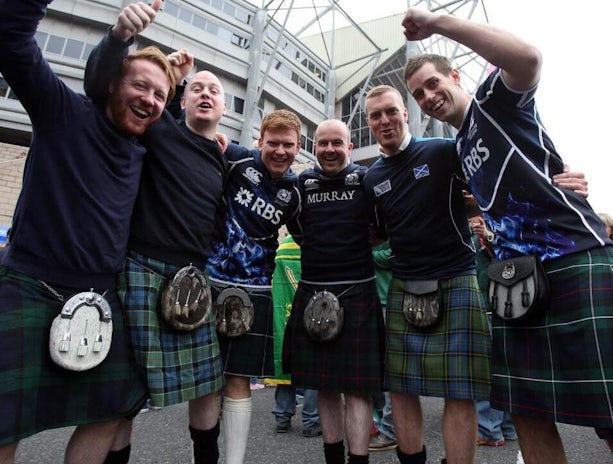
Creating Memories in Tartans
Pre-Match Festivities
The Six Nations isn’t just about the matches; it’s about the experience. Fans gather in pubs, streets, and stadiums, turning celebrations into cultural showcases. Bagpipes, Highland dancing, and traditional music add to the energy, making kilts the ultimate attire for such festivities.
Pre-match festivities set the tone for the day, building excitement and camaraderie among supporters. Fans dressed in kilts and tartans parade through the streets, waving Scottish flags and playing bagpipes, creating a visual and auditory spectacle that captivates onlookers. Traditional music performances and Highland dancers entertain crowds, while food stalls offer classic Scottish dishes like haggis, Scotch pies, and shortbread, adding to the cultural immersion. The pubs surrounding the stadiums become gathering spots where fans share stories, sing anthems, and toast to Scotland’s success.
Kilts become a focal point during these celebrations, symbolizing unity and pride. Supporters often wear their clan tartans or choose patterns that resonate with Scottish heritage, sparking conversations and strengthening bonds. These pre-game rituals connect fans with their roots, turning the Six Nations into more than a sporting event—it becomes a celebration of identity and tradition.
Post-Match Celebrations
Whether Scotland wins or loses, the celebrations continue. Kilts become part of the story, capturing memories in photographs and chants. They symbolize not just support for the team but pride in Scottish identity.
Post-match celebrations are where emotions run high, and the kilt becomes a badge of honor. Fans flood the streets, pubs, and after-parties, reliving the game’s highlights and rallying around their team. Whether it’s a thrilling victory or a hard-fought defeat, kilts keep the spirit alive, acting as visual markers of resilience and pride.
Photographs of fans in kilts dancing, singing, and cheering capture the essence of the Six Nations experience. These images often become cherished keepsakes, passed down through generations as reminders of shared passion and cultural pride. Supporters also use this time to connect with fellow rugby enthusiasts, forging friendships that extend beyond the tournament.
Wearing tartans during these celebrations reinforces a sense of belonging and legacy. The kilt, paired with accessories like sporrans and brogues, becomes more than attire—it’s a statement of unity, loyalty, and enduring pride in Scottish heritage. The post-match festivities ensure that the Battle of Tartans isn’t confined to the stadium but continues to echo through the streets and hearts of supporters long after the final whistle.
Tips for First-Time Kilt Wearers
Choose the Right Tartan
Research your clan tartan or select a design that resonates with Scottish pride. For those without specific clan ties, universal tartans like Black Watch or Royal Stewart offer timeless options.
Choosing the right tartan is about more than appearance—it’s about connecting with a story. Each tartan has historical roots, representing clans, regions, or moments in history. Fans can consult resources like Scottish registries to find tartans linked to their heritage or opt for modern patterns that blend style with symbolism.
Accessorize Smartly
Enhance your kilt outfit with a sporran, kilt pin, and flashes. These details add elegance while maintaining authenticity.
Accessories complete the look and provide both style and function. A sporran serves as a practical pouch while adding visual appeal, while kilt pins secure fabric and add decorative flair. For colder weather, jackets and waistcoats complement kilts, ensuring warmth without compromising style.
Layer for Comfort
January and February can be cold, so pair kilts with wool socks, scarves, and jackets to stay warm while looking stylish.
Layering ensures comfort during long match days, especially in Scotland’s unpredictable weather. Warm fabrics like wool and tweeds keep fans cozy, while tartan scarves add extra flair. Brogues and thick socks provide warmth and durability, perfect for navigating bustling stadiums and lively streets.
Confidence Is Key
Wear your kilt with pride and embrace the attention it brings. Confidence transforms the kilt from clothing into a statement of identity.
A kilt-wearer commands respect and admiration, especially in a celebratory setting like the Six Nations. Fans who wear kilts for the first time often find themselves drawn into conversations and photos, becoming part of the cultural narrative. Confidence not only enhances personal experiences but also encourages others to embrace their heritage.
Final Thoughts
The Six Nations Rugby Championship 2026 is more than just a sporting event—it’s a celebration of culture, unity, and tradition. For Scottish fans, wearing a kilt and showcasing tartans transforms the tournament into a visual spectacle of pride and passion.
Kilts are more than garments—they’re expressions of history and heritage. Whether cheering in the stands, dancing in the streets, or toasting victories in pubs, fans create unforgettable memories in their tartans. The Battle of Tartans is a testament to Scotland’s enduring spirit and collective pride.
Whether you’re a lifelong kilt-wearer or trying one for the first time, the Six Nations Rugby 2026 promises an experience like no other. So grab your kilt, cheer for Scotland, and let your tartan tell its story on rugby’s grandest stage!