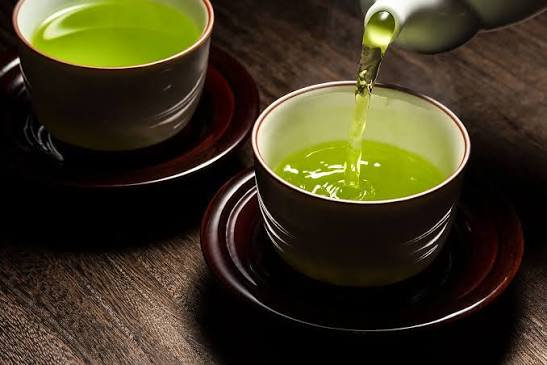
Having a perfect cup of green tea is one of life’s greatest simple pleasures and a daily source of antioxidants. However, many people accidentally ruin their leaves by boiling water, making a bitter, unpalatable brew. Mastering temperature and timing will reveal the subtle taste of your favourite tea. This guide will help you make perfect tea in the kitchen.
1. Select the Right Water Quality
Choosing the right water for your tea lets the delicate leaf flavours shine through. Unfiltered tap water can have very harsh minerals or chlorine that dilute the natural sweetness of the plant. Always choose fresh, filtered water or natural spring water to keep the brew fresh, crisp and pure.
Green tea varieties helps maintain the integrity of the harvest with a good water base. A kettle-simmered drink will taste flat because it lacks dissolved oxygen. Starting with fresh cold water ensures a lively cup filled with active aromatic notes.
2. Control the Steeping Temperature
Green tea leaves can be very sensitive to heat and will scorch easily if the water is too hot. Never pour boiling water directly on your leaves to make them bitter, as that releases too much tannin. The ideal temperature range for most of them is between 75°C and 80°C.
If you don’t have a temperature-controlled kettle, then just boil water and let it cool down for about three minutes. It is simple and preserves amino acids that give the drink its smooth umami finish.
3. Measure Your Tea Leaves Accurately
The ideal tea leaf-to-water ratio must be considered for balance. A basic rule of thumb for standard brewing is to use 1 teaspoon of loose-leaf tea for every 200 millilitres of water. If you want a more robust, richer body, you may have to increase the number of leaves but not add to the steeping time.
Instead of commercial tea bags, loose leaves allow the plant material to expand and release its full spectrum of oils. This accuracy guarantees consistency every single time you brew.
4. Master the Perfect Timer
Time is the ultimate variable when it comes to extraction, as a few extra seconds can turn a sweet cup into a very bitter cup. Organic green tea is a product of very short steeping times of one to two minutes. Set a digital timer as soon as the water touches the leaves so you can get the extraction perfectly precise.
Taste for the signature at the one-minute mark to see if you can taste the flavour on your palate at all. If the taste is a little too light, let it pull for 30 seconds before you strain. Staying attentive during these brief minutes prevents excessive extraction and keeps your beverage smooth.
5. Separate the Leaves Completely
When your timer goes off, you have to remove all the wet leaves from the liquid and stop the extraction as soon as possible. If you leave the leaves at the bottom of your teapot, the beverage will turn bitter as it cools down. You can use a good quality stainless steel strainer or a removable infuser basket for easy removal.
Do not squeeze or press the remaining leaves, as this forces the bitter particulate matter into your clean cup. Instead, put your basket away on a small saucer and let the leaves rest until you’re ready for the next session. Proper separation preserves the clean, elegant clarity of your infusion.
6. Reinfuse for Secondary Steeps
The second and third infusions add vibrant, floral, and sweet nutty flavours. Do not throw away your leaves after just a single round. For your next steepings, go up a couple of degrees on water temperature and steep for around forty-five seconds.
Because the leaves have already opened up, they will also lose their character much more quickly. Looking at multiple infusions will make you enjoy it the most and extend your tea investment in the process.
Honouring Your Daily Brewing Practice
These steeping parameters teach you simple steeping recipes that make green tea a soothing, comforting experience that’s useful all day. Explore leaf ratios and vessels to find what makes you happy and their best flavour. If you know what makes a pot tasty and good for your kitchen, brew it consistently. Patience is needed to find out how sweet organic leaves can be.